1stDibs released its ninth annual interior designer trends survey, providing global insights that inform hospitality design priorities for hotels and public spaces. The survey collected feedback from 468 designers internationally, highlighting movements shaping furniture styles, color palettes, textures and aesthetic choices for hospitality projects.
Earthy shades with bold accents
Maximalism and eclecticism dominate predictions, with growing client demand for bold, personalized interiors influencing hotel lounges, lobbies and signature restaurant atmospheres worldwide. Chocolate brown remains the leading trending color, while burgundy, sage and deep greens continue to increase in popularity. Meanwhile, pastel tones, including butter yellow, cornflower blue, powder pink and pistachio, are emerging, providing softer options. Overall, designers are blending earthy shades with bold accents, creating layered palettes that deliver memorable hospitality experiences.
Vintage and antique appeal
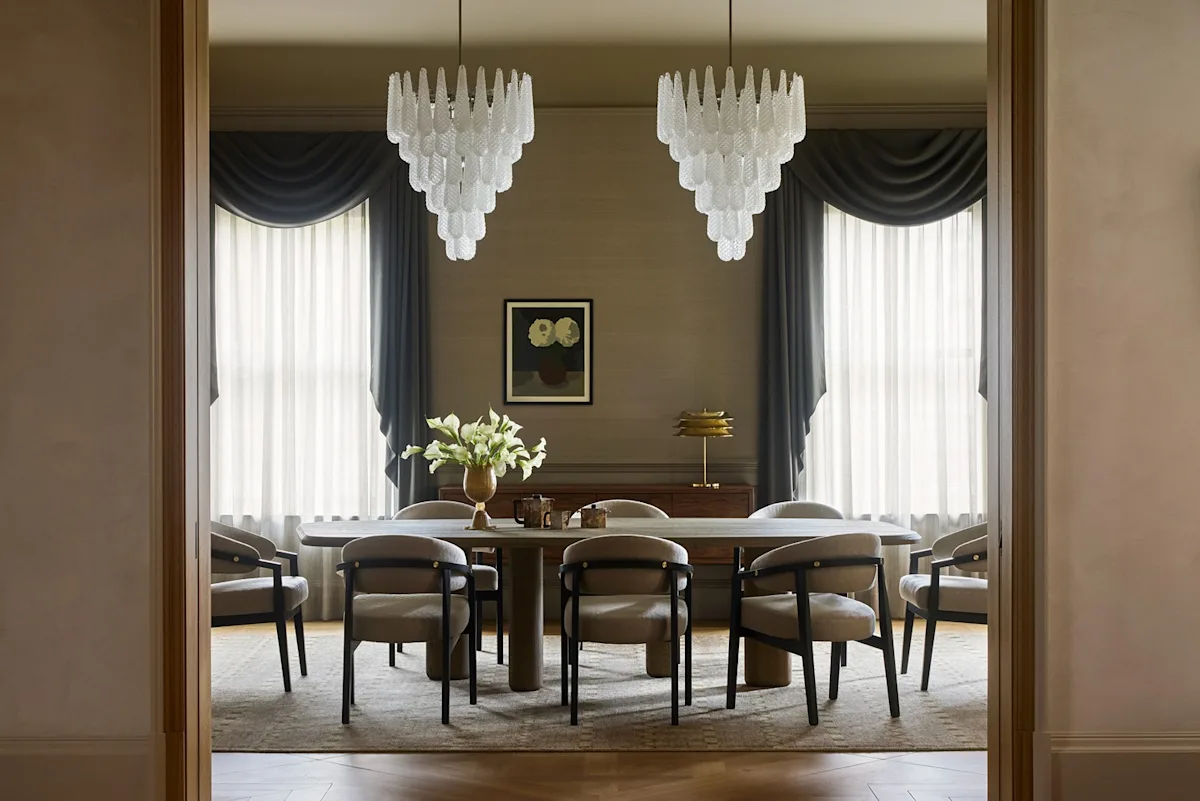
Vintage and antique sourcing has surged, as hotels increasingly embrace collectible pieces emphasizing authenticity, storytelling and craftsmanship across guest rooms and common areas. Antiques predating 1920 are growing in demand, signaling renewed appreciation for heritage influences that elevate luxury hotels’ interiors. Furthermore, curved furniture, irregular shapes and skirted seating inspire hotel layouts, creating welcoming atmospheres in lobbies, suites and communal lounges. Additionally, color drenching and wallpapered ceilings are rising trends, providing hotels with opportunities to reinforce brand identity. Murano glass pendants and designer lighting fixtures, including Lampampe and Flowerpot lamps, are also increasingly enhancing bars, lounges and high-profile dining destinations.
Room priorities and technology
Living rooms and kitchens remain the most requested spaces, reflecting the growing importance of functional, comfortable areas in modern hotel suites.
Bathrooms and dining rooms are gaining attention, highlighting clients’ desire for personal retreats and elevated shared hospitality experiences across properties.
Artificial intelligence adoption has tripled, with nearly one-third of designers integrating AI tools for renderings, presentations and project planning in hospitality workflows.
Meanwhile, global tariffs have influenced sourcing, as designers shift from 32 percent international purchases to 72 percent domestic items, reducing costs.

Anthony Barzilay Freund reveals the 2026 hospitality design trends
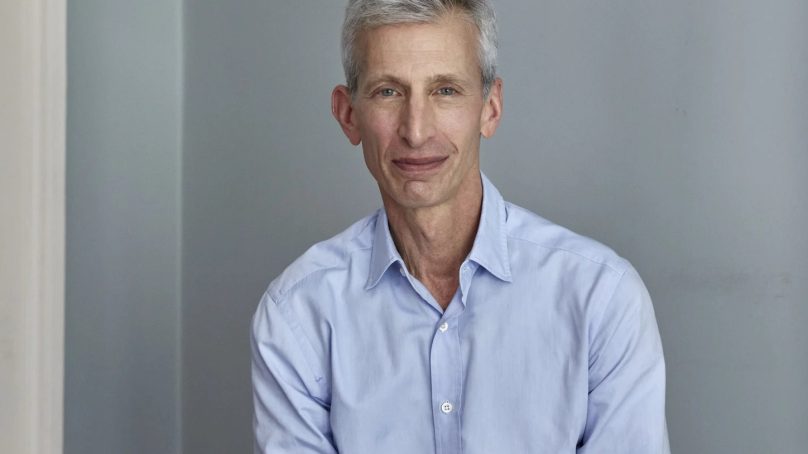
Designers are embracing the future by beginning to adopt AI tools for efficiency while also looking back to vintage and antique furniture for inspiration and quality craftsmanship says Anthony Barzilay Freund, editorial director at 1stDibs. We find out more.
1stDibs released its ninth annual interior designer trends survey, providing global insights that inform hospitality design priorities for hotels and public spaces. The survey collected feedback from 468 designers internationally, highlighting movements shaping furniture styles, color palettes, textures and aesthetic choices for hospitality projects.
Earthy shades with bold accents
Maximalism and eclecticism dominate predictions, with growing client demand for bold, personalized interiors influencing hotel lounges, lobbies and signature restaurant atmospheres worldwide. Chocolate brown remains the leading trending color, while burgundy, sage and deep greens continue to increase in popularity. Meanwhile, pastel tones, including butter yellow, cornflower blue, powder pink and pistachio, are emerging, providing softer options. Overall, designers are blending earthy shades with bold accents, creating layered palettes that deliver memorable hospitality experiences.
Vintage and antique appeal
Vintage and antique sourcing has surged, as hotels increasingly embrace collectible pieces emphasizing authenticity, storytelling and craftsmanship across guest rooms and common areas. Antiques predating 1920 are growing in demand, signaling renewed appreciation for heritage influences that elevate luxury hotels’ interiors. Furthermore, curved furniture, irregular shapes and skirted seating inspire hotel layouts, creating welcoming atmospheres in lobbies, suites and communal lounges. Additionally, color drenching and wallpapered ceilings are rising trends, providing hotels with opportunities to reinforce brand identity. Murano glass pendants and designer lighting fixtures, including Lampampe and Flowerpot lamps, are also increasingly enhancing bars, lounges and high-profile dining destinations.
Room priorities and technology
Living rooms and kitchens remain the most requested spaces, reflecting the growing importance of functional, comfortable areas in modern hotel suites.
Bathrooms and dining rooms are gaining attention, highlighting clients’ desire for personal retreats and elevated shared hospitality experiences across properties.
Artificial intelligence adoption has tripled, with nearly one-third of designers integrating AI tools for renderings, presentations and project planning in hospitality workflows.
Meanwhile, global tariffs have influenced sourcing, as designers shift from 32 percent international purchases to 72 percent domestic items, reducing costs.
Anthony Barzilay Freund,
Editorial director at 1stDibs,
1stdibs.com
@1stdibs
Saudi MOT announces USD 113bn in investments to fast-track the future of tourism
World of Coffee Dubai 2026 announced