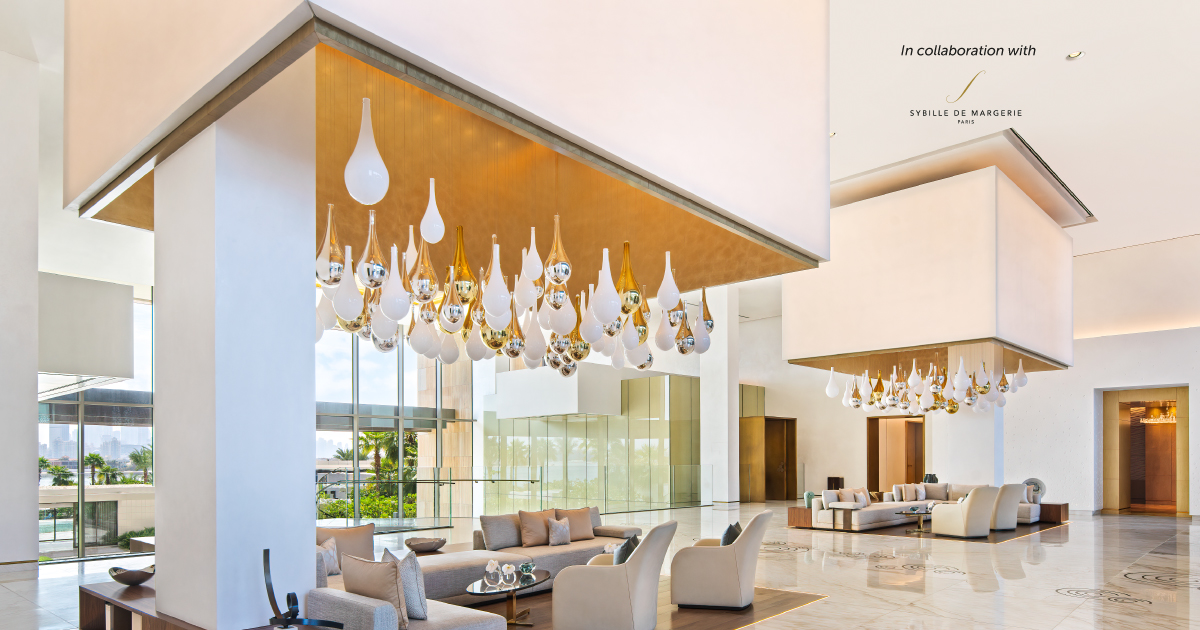
Once focused on comfort, hotels are now expected to embody stories and emotions. For travelers in the Middle East, where luxury is intertwined with heritage and cultural identity, a hotel must transcend its function and become a place of timeless elegance, where design and art give meaning to hospitality.
Art as a timeless signature
No longer confined to decoration, art today is defining a hotel’s spirit. Monumental sculptures, curated installations and unique bespoke pieces serve as a visual dialog between guest and place, creating emotional memories that last well beyond the stay. In Dubai, striking, large-scale artworks are transforming hotels into landmarks. Meanwhile, in boutique properties from Paris to Marrakech, carefully chosen artisanal pieces create a sense of intimacy. Yet, in both cases, art assumes the role of crafted detail that shapes identity.
Heritage as storytelling
The most memorable hotels are those that root their design in heritage. In the Middle East, where tradition and innovation walk hand in hand, art and design are storytellers of culture. A geometric motif, a calligraphic line or a handcrafted object can carry centuries of meaning and yet be reinterpreted in a contemporary voice. Design-led hotels embody a sense of place, offering narratives that let guests discover local culture in a refined, modern setting.
The lobby as a cultural stage
Traditionally a place for check-in, the hotel lobby is reimagined as a cultural stage. In design-led hotels, lobbies host exhibitions, performances and art installations in a shift that redefines the guest journey. The first impression is no longer transactional but emotional. For Middle Eastern markets, where hospitality traditions are rooted
in generosity and warm welcomes, such spaces provide ideal opportunities for connecting. Guests are invited into a realm that reflects the global character of luxury travel and the local spirit of artistry.
Guestrooms as personal galleries
While public spaces often showcase large-scale artworks, guestrooms function as personal galleries. Subtle artistic touches, from bespoke headboards to curated object collections, create intimacy. These impressions resonate with guests, who then often share them on social media. The challenge lies in finding a balance. Beauty must enhance, not overwhelm.
Here, timeless refinement ensures that every object, texture and artwork creates serenity while also enriching the memory of the stay.
Collaboration as craftsmanship
Design-led hotels flourish through collaboration. When hoteliers, architects, designers and artists come together, the result is a dialog that transcends individual disciplines. Craftsmanship plays a vital role. Glassmakers, textile artisans, ceramicists and sculptors are infusing interiors with authenticity.
At the Royal Atlantis Residences in Dubai, this philosophy was brought to life through partnerships with five remarkable women artisans. Anne Corbière created precious textiles, Isabelle Poupinel crafted exquisite porcelain, Céline Alexandre worked as fabric ennobler, Annie Trussart contributed architectural embroidery and Helen Amy Murray produced hand-sculpted textiles. Their mastery transformed light, texture and color into timeless expressions of artistry.
At the Four Seasons Water Canal, the same spirit of collaboration was expressed through curatorial projects by Josephine Fossey Office, Alessandra Abruzzese’s textile artistry and Ilan Garibi’s metal origami in the lobby. These projects demonstrate how artistic partnerships can elevate hotels into cultural destinations that celebrate both heritage and innovation.
Technology as a canvas
Digital art and technology are now expanding the possibilities of design. Immersive projections, kinetic lighting and interactive installations are creating dynamic atmospheres that shift with movement
and time. For the new generation of travelers, luxury is experiential. In countries such as the UAE and Saudi Arabia, where innovation and ambition are shaping cultural landscapes, the fusion of art and technology offers hotels an opportunity to redefine luxury. It becomes fluid, engaging and timelessly surprising.
Sustainability through artistic design
Sustainability has become an integral part of design-led hospitality. Artistic reuse of reclaimed materials, eco-conscious craftsmanship and biophilic design elements are elevating responsibility into beauty. These trends reflect a new refinement, with environmental awareness providing creative opportunities. In the Middle East, where destinations are investing heavily in sustainable tourism, hotels that embody this aesthetic are aligning with a future vision of responsible yet luxurious travel.
Cross-cultural bridges
Design-led hotels often act as cultural bridges, weaving together local heritage with global design languages. A space may integrate Arabic calligraphy into contemporary furniture, for example, or pair local stone with modern sculptural forms. For international travelers visiting the Middle East, such choices create familiarity while celebrating diversity. Simultaneously, for regional guests they affirm pride in cultural identity, while offering a window on global artistry. This dialog reinforces the timeless art of connection that hospitality possesses.
What’s next: living museums
The next chapter in hospitality design is the concept of hotels as living museums. We can expect to see properties where heritage, contemporary art and crafted design coexist in perpetual dialog. Exhibitions, artist residencies and curated cultural programs will transform hotels into evolving experiences. Beyond a stay, guests will be offered a journey into artistry.
In the Middle East, where cities are positioning themselves as cultural capitals of the world, design-led hotels will be vital ambassadors. Embodying timeless elegance, heritage and refined hospitality, they will ensure that art and design remain central to the travel experience.
The art of emotional luxury
The convergence of art and hospitality is redefining the very essence of the hotel. No longer confined to service and comfort, the modern hotel aspires to inspire, educate and create emotional luxury. And significantly, a form of luxury that moves the soul through beauty, heritage and timeless design.
By embracing art, craftsmanship and stories rooted in place, hotels can become destinations where every detail carries meaning. For hospitality leaders and designers alike, the challenge is to harness this power responsibly. Art must never be mere decoration but a timeless medium for creating meaningful and authentic guest experiences.
In this convergence of art and hospitality lies the true essence of a sense of place. And the promise of a future where cultural richness and innovation shape an enduring vision of hospitality.
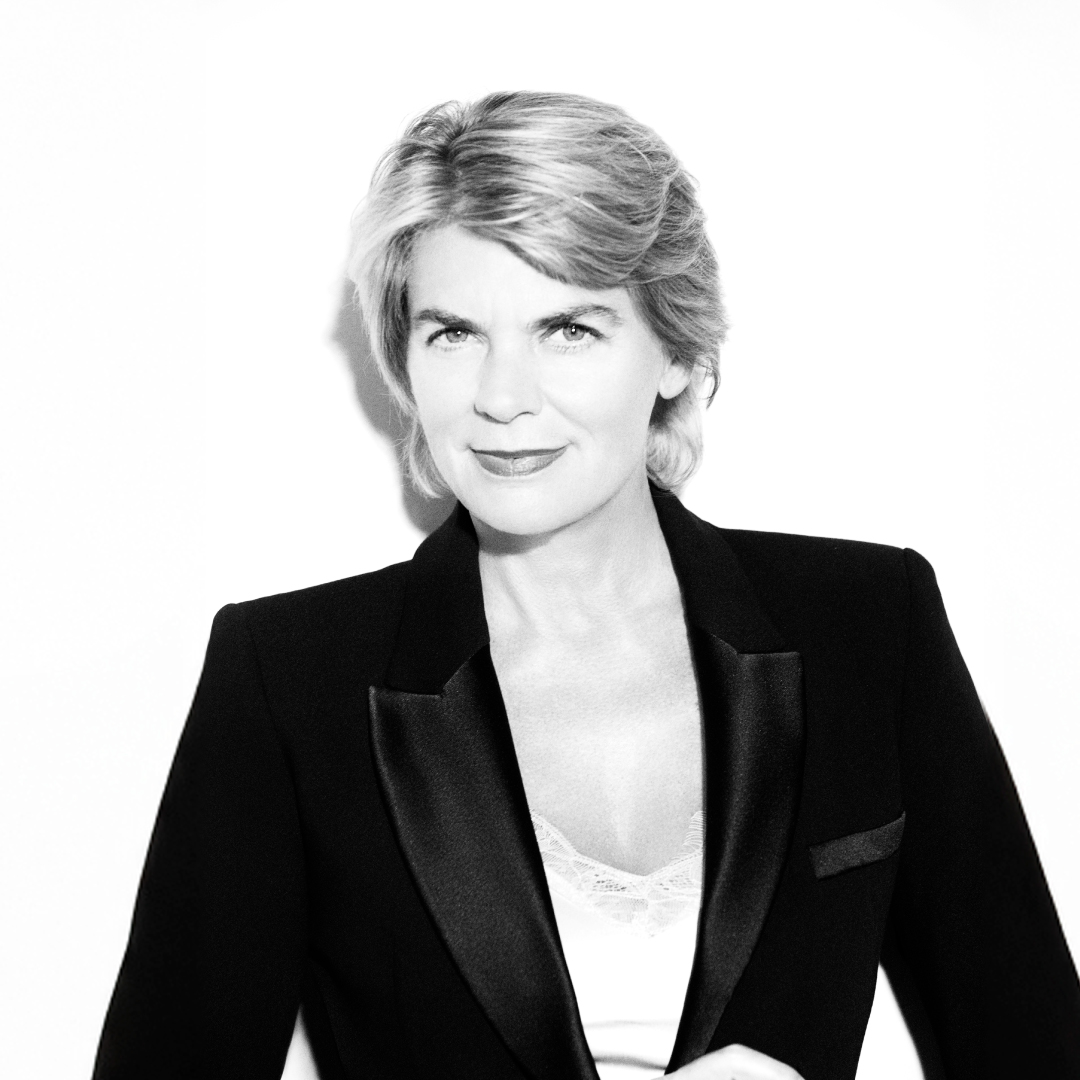
Sybille de Margerie,
Luxury interior architect
sybilledemargerie.com
@sybilledemargerie