In the ever-evolving world of hospitality and culinary arts, food design stands at the forefront of innovation, constantly pushing boundaries to deliver memorable experiences for diners. As customers become more curious, informed and adventurous, culinary professionals are embracing new trends, techniques and philosophies to elevate their craft. From sustainability and storytelling to technology-driven presentation, the landscape of
food design is vibrant, diverse and full of possibilities. Following are seven key trends that are currently shaking up the industry.
1. Experiential food design
Today’s diners crave more than just a meal. They seek immersive experiences that engage all their senses. Food has become a storytelling medium, an art form that conveys culture, history and identity. Chefs and culinary designers are now focusing on creating multisensory experiences through visual artistry, aroma, texture and even sound. For instance, some restaurants are incorporating elements like smoke, soundscapes, LED immersions or even interactive plating to captivate their guests and make dining an event to remember. This approach not only elevates the perceived value of a meal but also creates a deeper emotional connection. In practice, chefs have previously crafted dishes that change in texture as diners eat, such as edible foams, gels or dehydrated components, transforming how familiar ingredients are experienced. So, what could the next evolution be?
2. Sustainable and ethical design
Sustainability remains a driving force behind innovation in food design. Culinarians are continuing to explore alternative ingredients, such as plant-based proteins, insects and lab-grown meats, to reduce environmental impact. Additionally, nose-to-tail dining and zero-waste practices encourage the use of every part of an ingredient. These approaches foster creativity while reducing waste and are practices that should be forward leaning for all operators in the future. Food presentation must now align with ethical values. As a result, designs are now highlighting provenance, seasonality and eco-friendly practices. Edible packaging and biodegradable plating are gaining popularity, reminding us that sustainability extends beyond ingredients to every aspect of presentation.
3. Technology and innovation
Advancements in technology continue to revolutionize food design, introducing new tools for creativity and precision. 3D food printing, for example, enables the creation of complex geometries and intricate patterns that would be impossible to make by hand. Chefs can custom-develop textures and flavors, even replicating traditional dishes in novel forms.
Additionally, augmented reality (AR) and virtual reality (VR) are starting to influence dining experiences by providing immersive visual storytelling. Diners can see their dish in 3D or explore virtual narratives that deepen their appreciation of the cuisine’s cultural or historical context.
Smart kitchens equipped with AI-driven appliances are allowing for precision cooking and flavor pairing, personalized menus and efficient use of ingredients. These technological innovations not only expand creative horizons but also improve sustainability and efficiency.
4. Globalization and fusion cuisine
The interconnected world has fostered a melting pot of culinary influences. As a result, chefs are blending flavors, techniques and presentation styles from different cultures. Food design now often incorporates vibrant colors, diverse textures and fusion elements that reflect a global palate.
For instance, integrating Asian spices with European plating styles or combining South American ingredients with Middle Eastern techniques is producing dishes that are exciting, unexpected and culturally rich. This trend allows for creative storytelling and offers diners the chance to taste the world in a single plate.
5. Minimalism and precision
While bold and eclectic designs are trending, minimalism remains a powerful influence in food presentation. Clean lines, simple plating and elegant compositions focus on highlighting the core ingredient’s beauty and purity. This approach often emphasizes high-quality produce and precise technique, allowing the ingredient’s natural aesthetics to shine.
Additionally, minimalist design can also create a sense of calm and sophistication, aligning with modern expectations of elegance and refinement. The key is balance, ensuring that simplicity does not equate to monotony but rather creates visual harmony and focuses the narrative.
6. Food art and playfulness
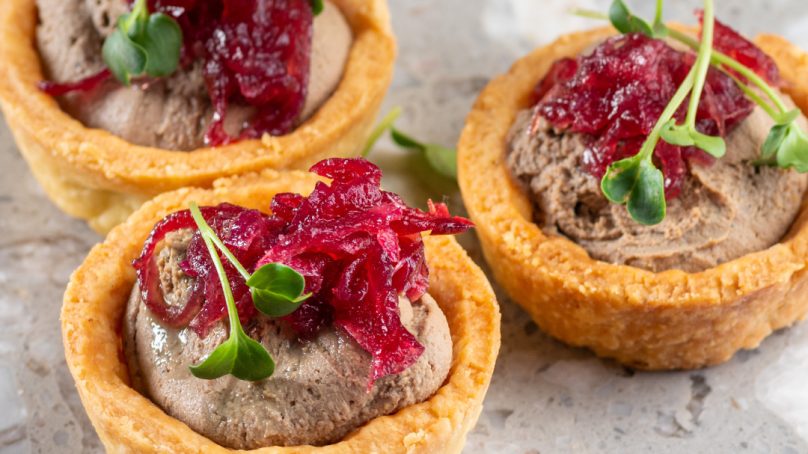
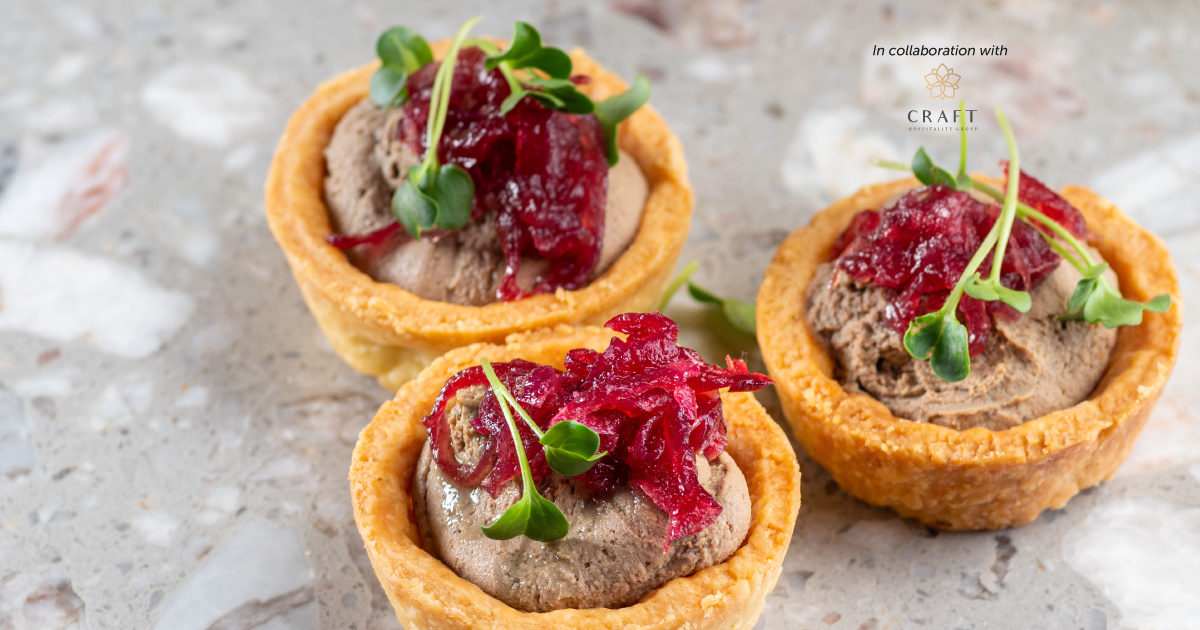
In recent years, food has become a canvas for artists. Chefs are pushing creative boundaries to produce edible art. Vibrant, playful plating that resembles abstract paintings or sculptures invites diners to interact with their food. Moreover, it breaks down traditional notions of consumption.
This trend encourages chefs to experiment with textures, colors and shapes. We see it in the incorporation of elements like edible flowers, microgreens or custom molds. Playful presentation not only delights aesthetically but also sparks curiosity and conversation.
7. Cultural storytelling through design
Food design has evolved into a powerful medium for cultural expression and narrative. Chefs are using presentation to tell stories about heritage, tradition and personal journeys. Each element on the plate can represent a chapter, from ingredient sourcing to cooking techniques passed down through generations.
A storytelling approach creates authenticity and depth in dining experiences. Furthermore, it allows guests to connect with cuisines on a more meaningful level. By weaving narratives into food design, chefs are honoring culinary traditions while innovating for contemporary palates. Crucially, storytelling transforms dining from mere consumption into an educational and emotional journey.
Embracing innovation
For hospitality professionals, staying attuned to these trends offers an opportunity to differentiate their offerings and delight their guests. Embracing innovation in food design isn’t just about aesthetics. It’s about creating meaningful connections, respecting our planet and inspiring curiosity.
Ultimately, the future of food design belongs to those who dare to experiment while telling a story at the same time.

Duncan Fraser-Smith,
founder of The Craft Hospitality Group
Author of “Create to Plate”
@duncanfs
@crafthospitality.group
duncanfrasersmith.com
crafthospitality.group