
Ramadan Iftar trends
Ramadan Iftar trends in Saudi Arabia this year reflect local tastes, global influences and evolving dining habits nationwide during evenings. Furthermore, chefs reinterpret heritage dishes with modern twists, while home cooks experiment confidently, inspired by social media creativity trends online. Additionally, health-conscious choices grow stronger through lighter grilling, balanced plates and reduced sugar and oil consumption after fasting hours. Moreover, beverages evolve through functional juices alongside classics like qamar al deen and sobia for hydration needs. Experiential dining, set menus, delivery and meal kits rise, balancing tradition, convenience, family connection and modern Ramadan expectations together.
KSA clientele’s taste during Ramadan
Ramadan in Saudi Arabia is not about trends but emotional taste expectations where any missed note is immediately felt deeply. Therefore, at Iftar, guests seek familiar comforting flavors where kabsa, harees and saleeg remain authentic, with careful respectful and thoughtful, innovation. Moreover, Saudi palates favor bold yet balanced seasoning with rounded spices, reduced heat, gentler acidity and soothing warmth during Ramadan. Furthermore, rice is central, not a side, with aromatic fluffy grains scented by saffron, cardamom and black lime during Ramadan. Additionally, proteins must feel generous, featuring tender slow-cooked meats, visible portions and never minimalist plating for Saudi Iftar tables. Juiciness and soft textures matter. Dates, honey, soups and refreshing drinks play a key role as they allow guests to fast gently every Ramadan.
Iftar menu essentials in the KSA
An Iftar menu in Saudi Arabia is not optional but structured with a rhythm guests instantly recognize and emotionally expect. Therefore, skipping core elements is immediately evident. This is because tradition sets clear expectations for comfort, hospitality and flow during Ramadan gatherings.
Firstly, people begin their Iftar with premium dates like ajwa sukkari or medjool symbolizing generosity and spiritual grounding for Saudi families. Next, laban and lentil soup are served for gentle hydration, warmth, balance and comfort as the meal starts. Meanwhile, samosas with classic fillings and a signature rice dish anchor familiarity across regions and family tables during Ramadan evenings. Additionally, slow-cooked meats or grills are expected. Fresh salads, cold mezze and traditional desserts then restore balance, sweetness and celebration after fasting hours. Finally, Saudi coffee or tea completes the experience, reinforcing hospitality, connection and ritual long after plates are cleared at Saudi gatherings.
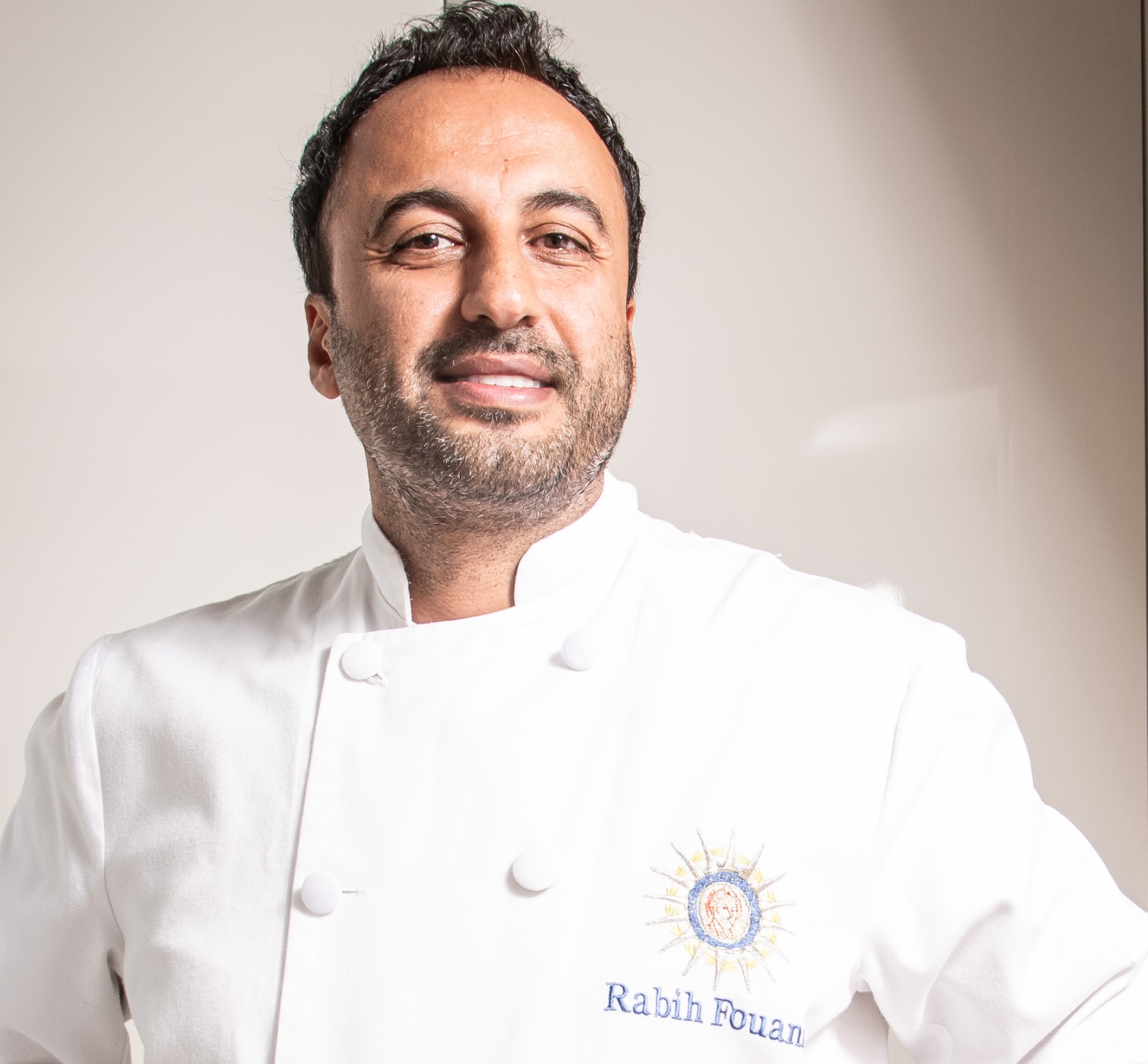
Rabih Fouany
Corporate executive chef
Vivienda Hotels Group
Saudi Arabia
vivienda.com.sa
@chefrabihfouany
Ramadan Iftar trends
Today, Iftar feels more intentional than ever, as diners seek balance, comfort and meaning after enduring long fasting hours daily. Consequently, people are moving away from heavy tables overloaded with dishes, instead preferring meals that feel nourishing, prepared thoughtfully with care. Meanwhile, I notice a shift toward lighter cooking methods, including baking and slow cooking, alongside vegetables, legumes and seasonal ingredients. At the same time, traditional dishes are being revisited and presented more softly. They are modern, while preserving their original soul. For me, however, the strongest trend is cooking with stories, where meals carry memories, emotions and deep feelings of belonging.
Iftar is no longer just about eating, but about reconnecting after long days and feeling truly at home together.
Jordanian clientele’s tastes during Ramadan
During Ramadan, Jordanians remain deeply connected to flavors that feel familiar, comforting and emotionally grounding throughout the holy month period. Generally, the palate leans toward warmth rather than boldness, with dishes well seasoned, balanced, gentle and overall, easy to digest. At the same time, food carries strong emotional weight, reminding people of mothers’ kitchens, family gatherings and shared moments together. Equally important, generosity defines Ramadan tables, not only through portions, but also through depth of flavor and hospitality proudly displayed. However, while there is openness to new ideas, Jordanians continue to value authenticity above novelty during Ramadan dining experiences and traditions.
Accordingly, dishes may appear modern, yet they must feel honest, respectful and clearly rooted in culinary tradition, always locally inspired.
Ultimately, Ramadan food in Jordan transcends trends, centering instead on feelings, memories, shared identity and togetherness around the family table.
Iftar menu essentials in Jordan
When I prepare an Iftar menu, I always think about balance and comfort first and foremost during Ramadan evening celebrations. Starting with dates and water is essential, followed by a warm soup that gently prepares the body after fasting daily. Mezze is very important to me, a mix of fresh, creamy and warm dishes allowing everyone to share together comfortably. The main dish should feel special but familiar, something that brings people around the table without feeling too heavy afterward. I also believe a good Iftar needs one light dessert or fresh fruit to end the meal calmly and gently. For me, a successful Iftar is not about quantity, but how food makes people feel relaxed, connected and genuinely comforted.
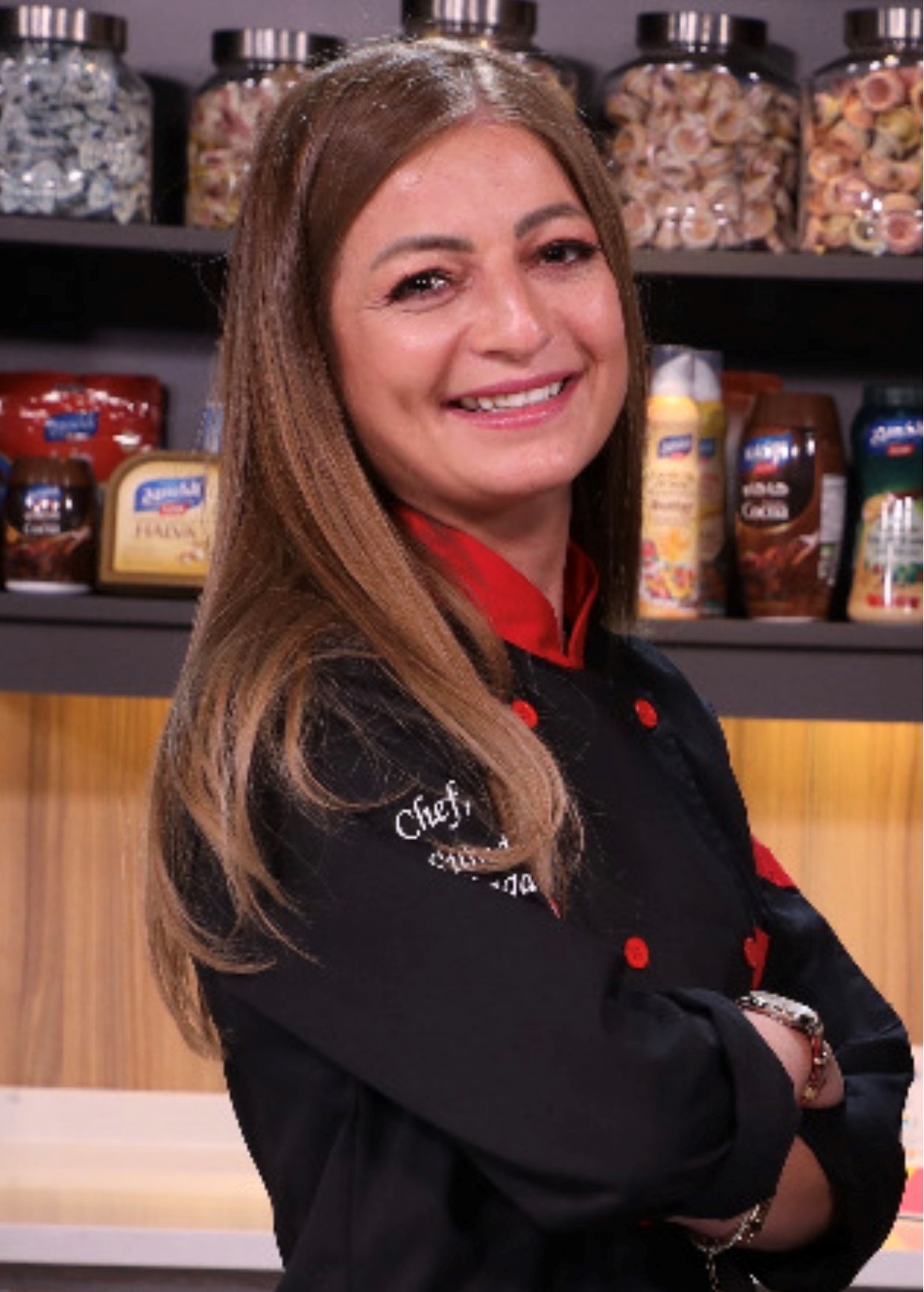
Suhad Ishaqat
TV chef at Roya TV
Jordan
@chef_suhad_ishaqat
Modern Iftars
I have noticed a real shift away from big overwhelming buffets as people increasingly seek more personal dining experiences today. Instead, they want to sit down and feel the meal was thoughtfully cooked just for them there. For example, at MINA Brasserie during Ramadan, we simply adapt that mindset while staying true to how we cook every day in the kitchen. Rather than 20 dishes competing for attention, we focus on fewer plates prepared carefully and executed exceptionally well each evening. Consequently, lighter preparations, seasonal produce and flavors feel clean yet remain satisfying, comforting and appropriate for Iftar for our guests. Moreover, I see guests enjoying interactive moments like dishes finished tableside, sauces poured before serving and warm bread baked fresh. At the same time, there is a strong push toward balance with less heaviness, less sugar and more freshness overall. People want to feel good when they leave, not full to the point of exhaustion after dining. Ultimately, modern Iftar is about feeling nourished both physically and emotionally, creating connection, comfort and lasting memories around the table.
UAE clientele’s tastes during Ramadan
Ramadan here feels especially meaningful because of the diversity. Importantly, after long fasting days everyone seeks comforting familiar food together. You see this clearly in how guests react to certain dishes served at Iftar tables each evening during Ramadan season. A good soup, slow-cooked meat and gently spiced aromatic plates often make people pause, smile and think of home. Meanwhile, diners here remain curious and open, appreciating thoughtful cooking, careful presentation and chefs’ personal intentions behind every prepared dish. Traditional flavors matter deeply, but how they are prepared also influences enjoyment, perception and overall dining satisfaction during Ramadan evenings. For example, at MINA Brasserie, we use Middle Eastern ingredients, always fresh and in season, paired with lighter techniques or Mediterranean ideas. Therefore, flavors stay true while the experience feels easy, enjoyable and comforting for guests during Ramadan evening dining occasions. Ultimately it is comfort with intention, creating emotional connection, warmth and memorable moments around the table during shared Iftar gatherings.
Iftar menu essentials in the UAE
Iftar always begins the same way for me with deep respect for tradition setting the tone before the meal tonight. Therefore, dates, fresh juices, laban and warm soup are non-negotiable elements gently awakening the palate and mood for guests. From there, the menu should encourage sharing through mezze-style starters, fresh salads and digestible small plates for everyone together. Moreover, I love watching tables here where guests pass dishes, talk freely and taste everything together joyfully during Ramadan evenings. For mains, I believe in generosity, featuring slow-roasted meats, grilled dishes and carefully prepared comforting accompaniments like rice and vegetables. As a result, the food feels hearty, satisfying and soulful yet never heavy or overwhelming for guests after fasting. Meanwhile, dessert should bring the experience to a soft landing with lighter versions of beloved Ramadan classics like kunafa and ummali. At MINA Brasserie, Iftar is about balanced generosity and togetherness, leaving guests satisfied, connected and content at the table.
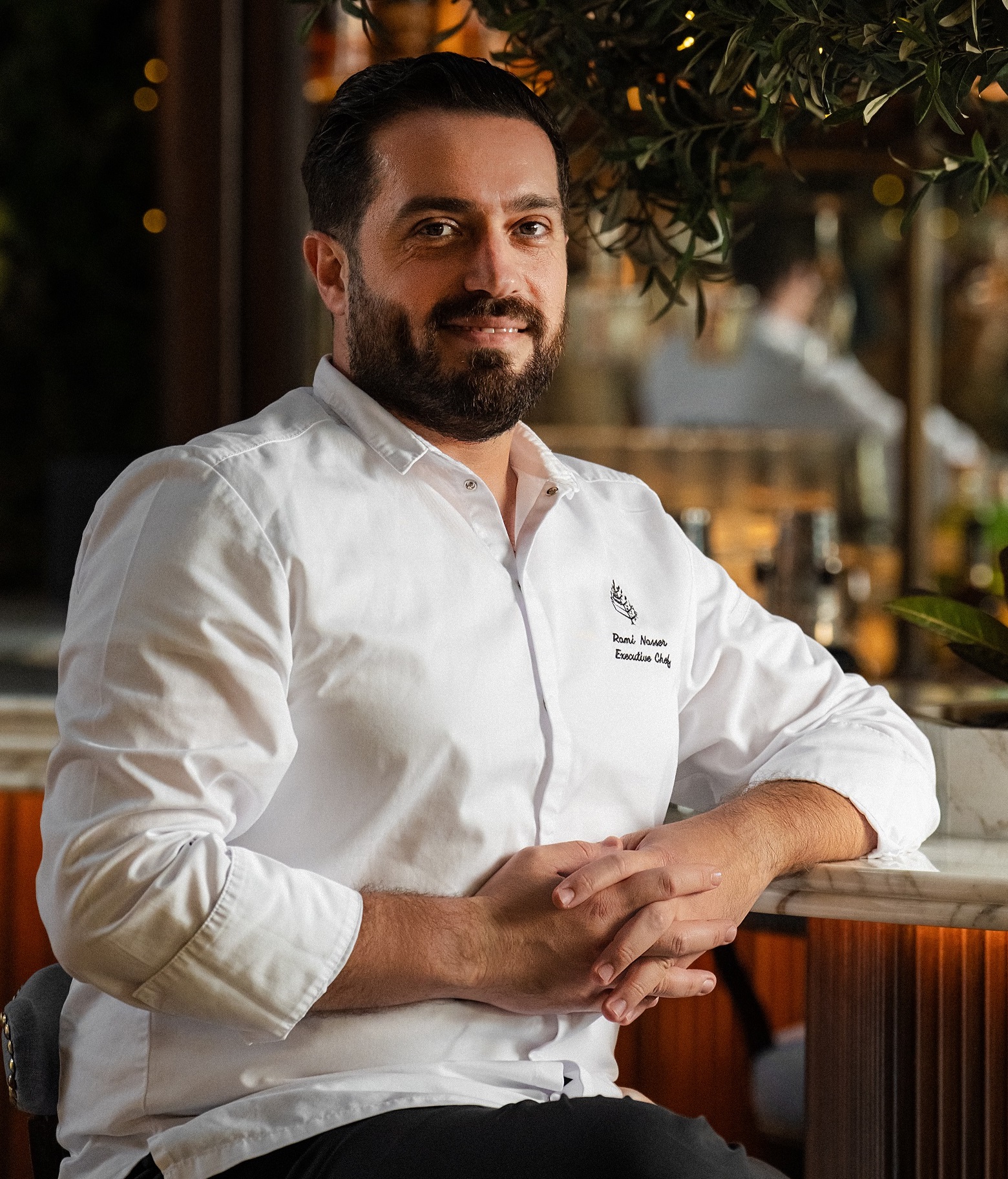
Rami Nasser
Executive Chef
MINA Brasserie
Four Seasons Hotel DIFC
minabrasserie.com
@cheframinasser


About author

Rita Ghantous
Rita Ghantous is a hospitality aficionado and a passionate writer with over 9 years’ experience in journalism and 5 years experience in the hospitality sector. Her passion for the performance arts and writing, started early. At 10 years old she was praised for her solo performance of the Beatles song “All My Love” accompanied by a guitarist, and was approached by a French talent scout during her school play. However, her love for writing was stronger. Fresh out of school, she became a freelance journalist for Noun Magazine and was awarded the Silver Award Cup for Outstanding Poetry, by The International Library of Poetry (Washington DC). She studied Business Management and earned a Masters degree from Saint Joseph University (USJ), her thesis was published in the Proche-Orient, Études en Management book. She then pursued a career in the hospitality industry but didn’t give up writing, that is why she launched the Four Points by Sheraton Le Verdun Newsletter. Her love for the industry and journalism led her to Hospitality Services - the organizers of the HORECA trade show in Lebanon, Saudi Arabia, Kuwait and Jordan, as well as Salon Du Chocolat, Beirut Cooking Festival, Whisky Live and other regional shows. She is currently the Publications Executive of Hospitality News Middle East, Taste & Flavors and Lebanon Traveler. It is with ultimate devotion for her magazines that she demonstrates her hospitality savoir-faire.