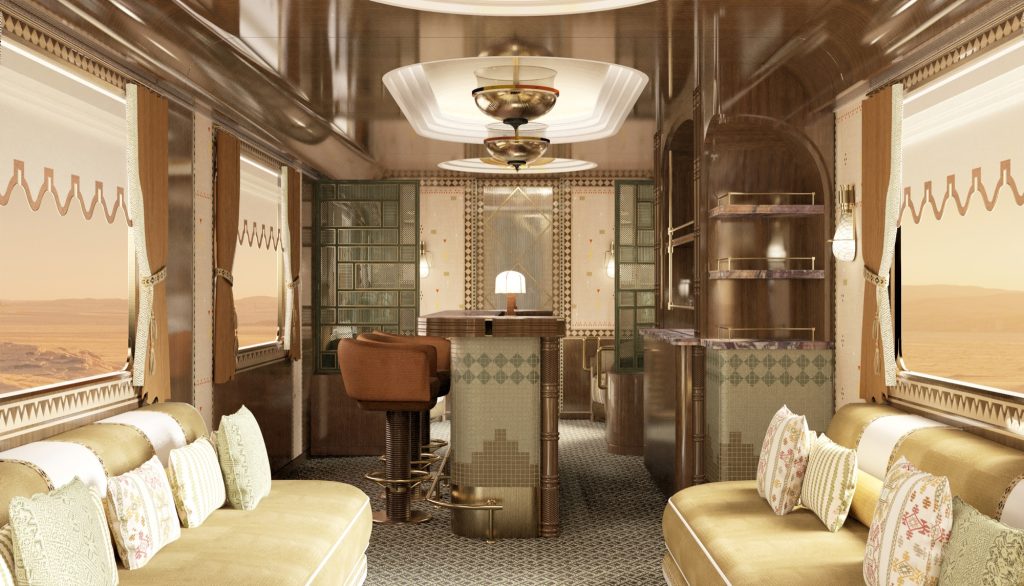
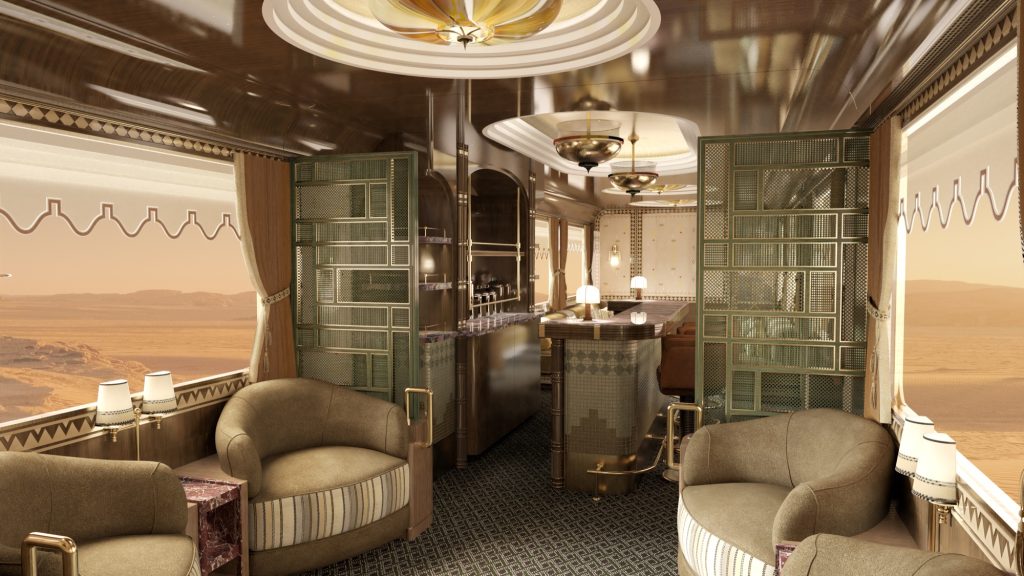
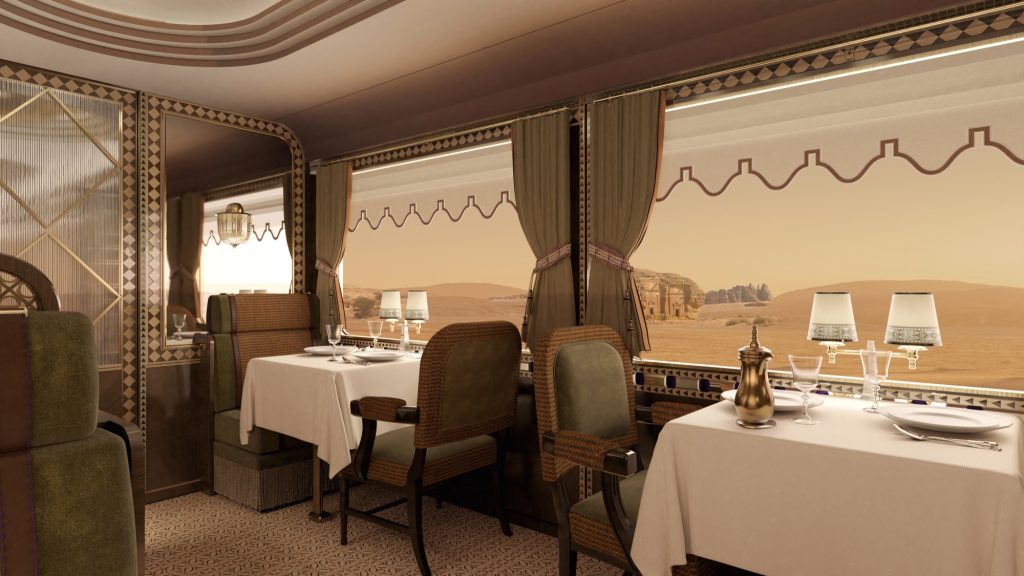
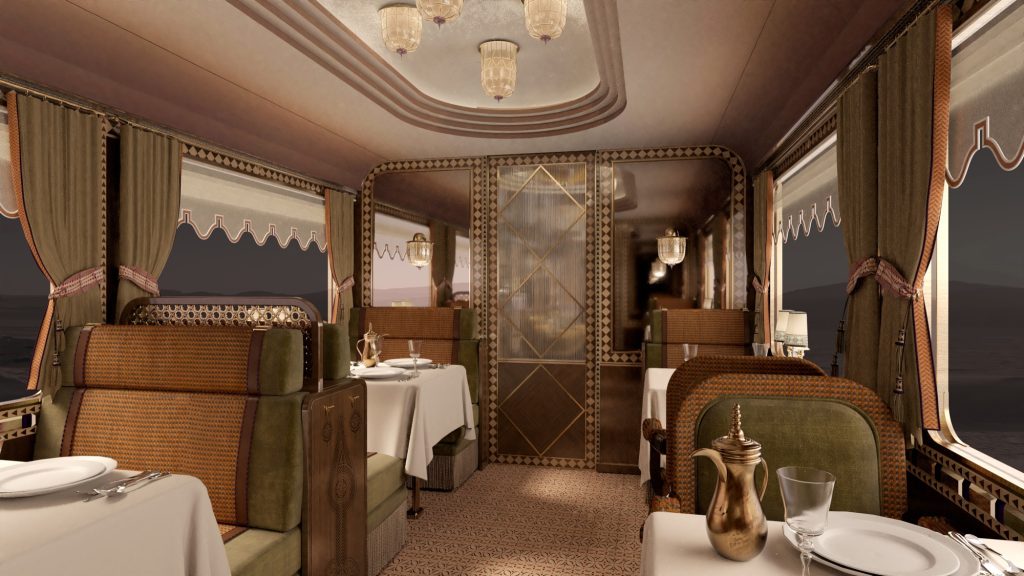
Aline Asmar d’Amman is renowned for crafting spaces where heritage, culture and contemporary design meet with purpose. From palaces to trains, her work explores luxury rooted in emotion, context and timeless cultural relevance worldwide.
You have worked on iconic projects worldwide. How do you balance heritage and modernity when redesigning historically rich spaces?
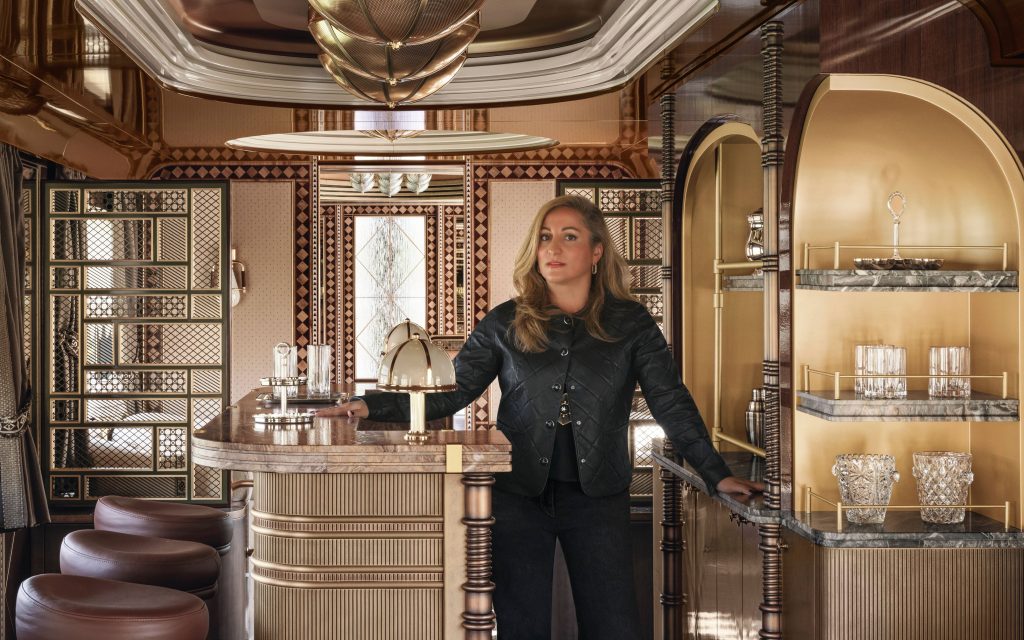
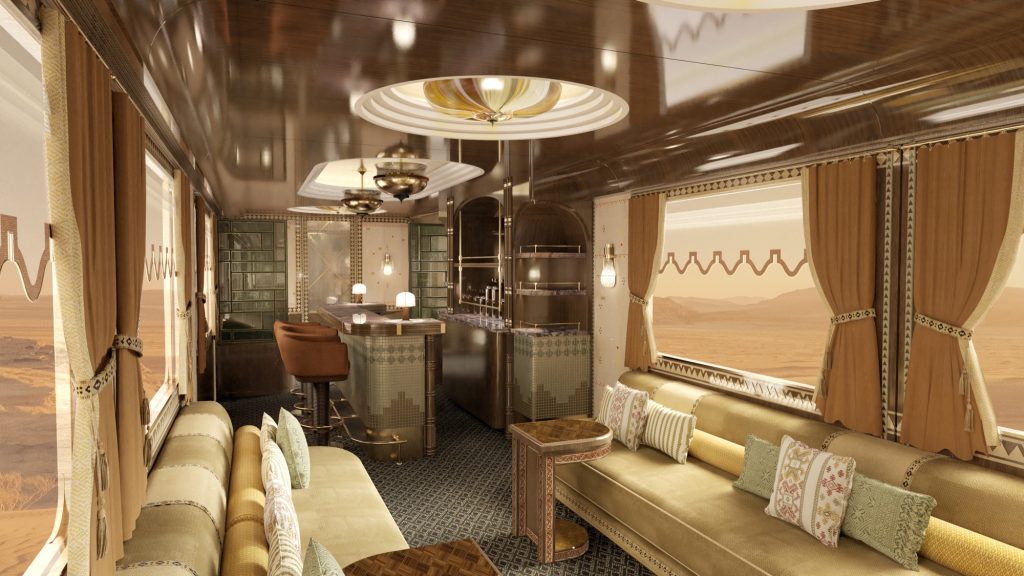
My work is rooted in transmitting heritage through dialogue between past and future, therefore guided by stories of cultural connection. For me, craftsmanship and artistry represent ultimate luxury, honoring millennial gestures while capturing the spirit of our times today. This philosophy fuels every project, as I constantly seek purpose, emotional intelligence and cultural relevance through meaningful architectural narratives. Although designing a train interior was a first, the philosophy mirrors my work on patrimonial hospitality landmarks worldwide. Furthermore, projects like Hôtel de Crillon or Orient Express Venezia begin with context, stories and poetic materiality while resolving construction constraints carefully. Moreover, for Dream of the Desert, I studied Saudi architecture, crafts, textiles, wood carvings and nomadic elements through a contemporary lens. Ultimately, capturing spirit of place and time remains artistry at its finest, where culture and craft build meaningful futures.
As an architect inspired by history, what essential architectural lessons should contemporary cities learn from the past?
Design must tell virtuous stories that elevate the soul, therefore inducing joy, wonderment and purpose through thoughtful material choices. Therefore, every material carries memory and authenticity, so architecture should respect cultural narratives while creating spaces built to endure. Consequently, I strive for balance, connecting raw and precious past and future, while grounding every project in its local culture.
You founded Culture in Architecture to foster dialogue. How do you see this initiative shaping future global design collaboration?
Culture in Architecture thrives on abundance of ideas, layering stories across architecture, interiors, décor, art and curated objects. Thus, in a fast-moving world, creativity rooted in emotional intelligence and truthful narratives will always remain deeply valued. Moreover, this freedom to invent allows modernity to emerge from tradition, creating what I call the concrete poetry of architects.
What has been your most meaningful project so far, and what made it especially significant personally?
Choosing a favorite project is impossible, because every creative journey carries its own purpose, place and emotional responsibility. At Hôtel de Crillon, I imagined Marie Antoinette awakening today, designing a contemporary stage balancing heritage and bold modernity. Working alongside Karl Lagerfeld was a lifelong gift, as his erudition, generosity and humor deeply shaped my creative vision. Renovating Le Jules Verne within the Eiffel Tower united engineering audacity, gastronomy and symbolism into a powerful architectural narrative. Dream of the Desert was envisioned as an emotional passage, where each space becomes a poetic chapter rooted in Saudi heritage.
Which architectural or design direction are you most excited to explore in your upcoming work?
My work stands beyond trends, instead pursuing timeless elegance that bridges past and future with sustainable relevance. Architecture holds a moral duty to seek contextual truth, beauty and responsible material use through lasting meaningful projects. From buildings to objects and trains to boats, diverse scales inspire me, while poetic materiality and storytelling remain constant.