A strategic differentiator
Packaging is far more than protection and visual appeal. It’s the silent salesman that builds emotional connection. Most purchasing decisions are emotional and psychological, and packaging is often the first physical touchpoint that triggers those feelings. The right colors, textures and design elements can evoke trust, comfort, nostalgia or excitement. Strong brand packaging that reflects authenticity and aligns with consumer values, especially sustainability and transparency, can significantly influence the purchase decision. When done right, packaging becomes a strategic differentiator, turning a simple product into a meaningful brand experience.
Doing more with less
Inflation and rising material costs are undoubtedly challenging for the industry, but they also drive innovation. Brands today must rethink packaging design to achieve both cost-efficiency and sustainability. By embracing lightweight materials, reusable formats and minimalist structures, companies can reduce costs while minimizing environmental impact. The principles of reduce, reuse and recycle are not only eco-friendly but also economically smart. Innovation doesn’t always mean expensive. Sometimes creativity comes from doing more with less. The key is to maintain packaging’s essential role: protecting the product, extending shelf life and preventing food waste, while keeping affordability and brand identity in balance.
Communicating authenticity
Globally, packaging is moving toward minimalism and emotional clarity. Consumers are drawn to simple, clean designs that convey honesty and sustainability. Muted natural tones, earthy greens, soft neutrals and organic textures are trending because they reflect eco-consciousness and trust. Transparent packaging and clear labeling help communicate authenticity. Shapes are becoming more ergonomic and practical, focusing on usability and convenience. However, cultural context still matters as local color preferences and patterns can strengthen emotional resonance. Overall, the trend is clear: less is more and design that speaks to emotion and responsibility resonates most.
A collaborative future
The next five years will mark a transformational era for packaging. We will see an accelerated shift toward circular economy models, where materials are reused, recycled or composted. Smart technologies such as QR codes
for traceability and AI-driven design will redefine how brands engage with consumers. Regulations, especially in the EU for recyclability and reuse targets, will push companies toward more sustainable and transparent practices. Consequently, collaboration across the value chain will become essential, from producers to recyclers to brands, creating integrated systems that turn packaging from end-of-life waste into a continuous resource cycle.
Shifting mindsets, shared accountability
One question often overlooked is: why do we keep blaming packaging for pollution instead of addressing human behavior? Littering and poor waste management, especially for plastic waste, are the true culprits. We must remember that packaging protects products, preserves food and prevents waste. Around 30 percent of global food is wasted, and proper packaging can significantly reduce that figure.
The real challenge is education and shared responsibility. Public awareness campaigns must address the littering of packaging waste, whether plastic, paper or any other material. At the same time, governments must establish legal frameworks that penalize littering and promote responsible behavior. Extended Producer Responsibility (EPR) schemes, as now applied in Europe, place part of the responsibility on producers to ensure proper collection, recycling and recovery. These measures create a shared accountability system between consumers, producers and authorities. Optimal packaging design minimizes environmental footprint while ensuring product protection. Using the right amount of the right material achieves both sustainability and food security.
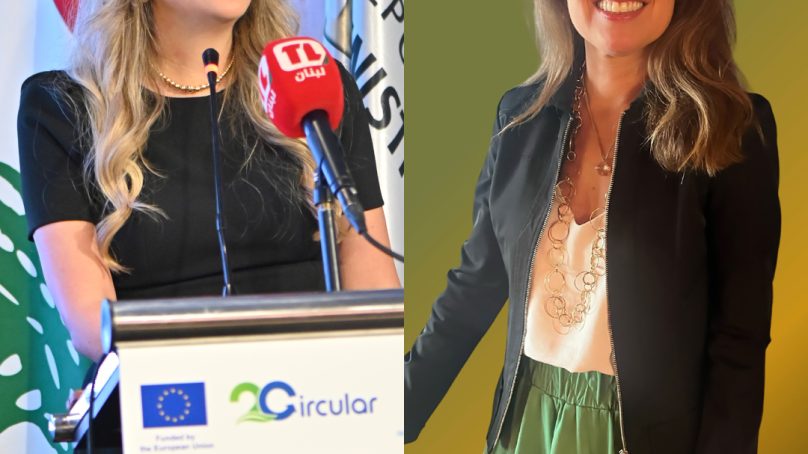
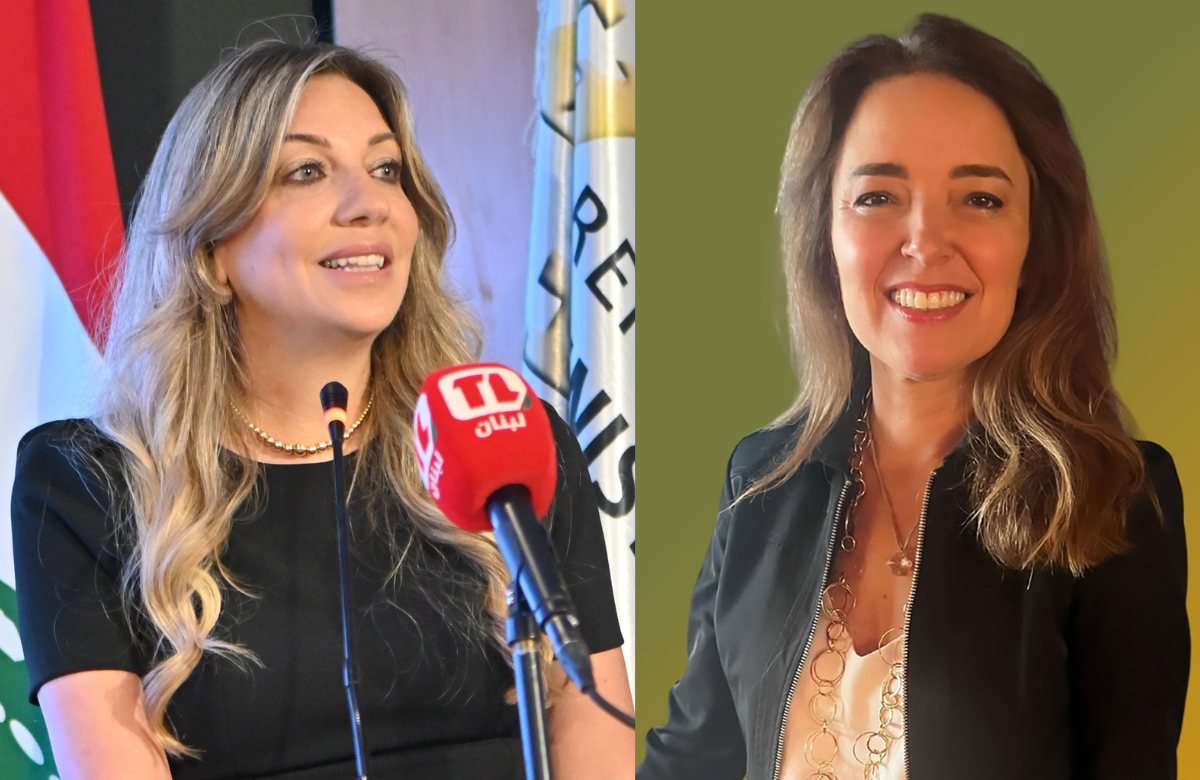
SOHA ATALLAH
Founder
LibanPack
WPO VP, marketing
World Packaging Organisation
@atallahsoha
A powerful tool
Packaging builds the personality of a product. It carries both emotional and rational values that connect the product with consumers in a very direct way. On the emotional side, it creates identity, trust and attachment. On the rational side, it communicates clearly what the product offers, why it serves that consumer and what differentiates it.
Packaging is also the most powerful tool a brand has to express its purpose and values, reflecting what the company stands for. This could be a commitment to sustainability, offering greater convenience, telling the story and origin of the product or making its traceability transparent. It is the moment when promises become tangible and purpose is transformed into a meaningful experience for the consumer.
Adaptability is key
In challenging times, competitiveness is driven by having a deep understanding of your consumers. Not only who they are, but everything from their needs and demands to their desires. If brands only meet their basic needs, consumers will naturally look for the lowest possible price. However, when a product delivers value, it enhances the cost-benefit equation.
But a word of caution – when budgets are stretched, companies cannot expect a one-size-fits-all approach to work. In challenging times, producers need to make their packaging work like chameleons, shaped and tailored to various audiences, spanning different consumption levels and anticipated added value. Strategic marketing approaches are also essential, from collectible editions and limited releases to festive variations. These strategies shift products away from being just necessities onto a different ‘desirable’ list.
Recognizing design language
It’s important to recognize that packaging design carries a strong cultural dimension. Designs reflect messages to consumers subconsciously. What works in one region may not work in another, so brands need to deeply understand the culture of the society and audience they want to engage with.
Each product category tends to carry its own design language. For example, baby products often use soft colors and gentle textures to convey peace and harmony. In contrast, products for toddlers rely on vibrant colors, bold fonts and dynamic designs to reflect their energy. Men’s products traditionally lean toward minimalism, strength and references to movement, with darker tones and strong typography. Products for women tend to highlight detailed information, whether about functionality, health or performance, often with more expressive visuals. However, brands may break these conventions to build differentiation or forge new connections.
Future focus: efficiency and sustainability
The packaging industry continues to evolve in two key directions: efficiency and sustainability. On one side, there are disruptive innovations that can change the landscape completely, like recent technological developments in coating barriers.
On the other, most progress is incremental, improving existing materials and designs to make them more efficient and sustainable. This can mean packaging that uses less material but offers higher resistance, solutions that improve logistics efficiency or designs that enhance machinability and overall performance.
Artificial intelligence (AI) is also playing a growing role, helping to optimize structures, predict performance and make smarter use of available materials. This drives greater precision in packaging development, whether through more efficient design or mono and combined materials.

For more articles, click here


About author

Rita Ghantous
Rita Ghantous is a hospitality aficionado and a passionate writer with over 9 years’ experience in journalism and 5 years experience in the hospitality sector. Her passion for the performance arts and writing, started early. At 10 years old she was praised for her solo performance of the Beatles song “All My Love” accompanied by a guitarist, and was approached by a French talent scout during her school play. However, her love for writing was stronger. Fresh out of school, she became a freelance journalist for Noun Magazine and was awarded the Silver Award Cup for Outstanding Poetry, by The International Library of Poetry (Washington DC). She studied Business Management and earned a Masters degree from Saint Joseph University (USJ), her thesis was published in the Proche-Orient, Études en Management book. She then pursued a career in the hospitality industry but didn’t give up writing, that is why she launched the Four Points by Sheraton Le Verdun Newsletter. Her love for the industry and journalism led her to Hospitality Services - the organizers of the HORECA trade show in Lebanon, Saudi Arabia, Kuwait and Jordan, as well as Salon Du Chocolat, Beirut Cooking Festival, Whisky Live and other regional shows. She is currently the Publications Executive of Hospitality News Middle East, Taste & Flavors and Lebanon Traveler. It is with ultimate devotion for her magazines that she demonstrates her hospitality savoir-faire.