Saudi Arabia’s restaurant scene is expanding rapidly, with new concepts and international brands opening at pace. As the kingdom’s dining landscape evolves, the focus is moving toward deeper questions around culinary identity, professional development and the business models that will support long-term success. With insights from leading professionals, we explore what’s next for Saudi gastronomy.
Opportunities in local cuisine
Saudi Arabia is already home to a wealth of restaurants and concepts offering diverse international cuisines. However, local cuisine remains underrepresented.
According to industry professionals, Saudi gastronomy offers significant potential and is well established country-wide.
“There’s plenty of authentic Saudi food around,” said Yasser Jad, founder and president of the Saudi Arabian Chefs Association and advisor in culinary arts and hospitality. “For example, dishes such as Madbi, Haneeb, Kabsa and Sayyadiya are found in places like Jizan and Abha.”
Importantly, these and other popular traditional dishes offer rich opportunities when presented in new ways. The focus, experts emphasized, should be on more refined cooking methods and different presentations – thoughtful reinterpretation that respects culinary heritage.
On a positive note, national efforts to raise the profile of local cuisine are already delivering results. “The culinary commission and minister are boosting Saudi gastronomy, and entrepreneurs are doing a very good job,” Jad noted.
Shifting perceptions unlock new potential
However, experts also recognize that developing the kingdom’s culinary landscape requires input from new talent. Notably, one key factor helping in this area is an increased interest in cooking as a career choice. Chef perception, buoyed by celebrity chefs and popular media programs, has been instrumental in transforming the industry’s image, according to experts.
“Today with reality shows like Top Chef, people are proud,” said Bernard Charles, senior culinary director gourmet and confectionery at Bateel International. “Many with degrees and masters want to become chefs.”
Building educational foundations
Undoubtedly, growing interest and shifts in perception signal good news for the profession. However, they have also highlighted gaps in training, spanning infrastructure and exposure to ingredients, techniques and global standards.
“Training is crucial,” stressed Tarek Ibrahim, certified MasterChef and founder of Umami Restaurants. “Saudi needs more culinary schools. We’ve seen this work in UAE over 10 years with training programs for young people.”
Developing homegrown concepts
In turn, offering training opportunities locally acts as a step toward establishing more local concepts and driving sustainable expansion. This approach, experts believe, will help to keep creativity, knowledge and value within the kingdom.
“Longer term, it’s better to develop brands here, finance young chefs, create with support,” said Bobby Chinn, chef, author and TV personality. “There’s no reason why Saudi cannot have some of the greatest homegrown restaurants.”
The entrepreneurial advantage
Supporting chefs with their plans and passion has also shone a spotlight on business models. Indeed, the distinction between investor-driven and entrepreneur-led approaches has emerged as a topical industry issue. Notably, the latter is seen among professionals as more conducive to organic development and culinary excellence.
“An entrepreneur takes his own money and believes big time in the cause,” Ibrahim said. “To speed the process in Saudi Arabia, we need more entrepreneurs.”
An optimistic outlook
Despite the challenges raised, industry leaders expressed widespread optimism around the kingdom’s culinary future. Integrity and passion, they agree, are key to sustainable growth in an evolving dining scene that is carving out its own identity.
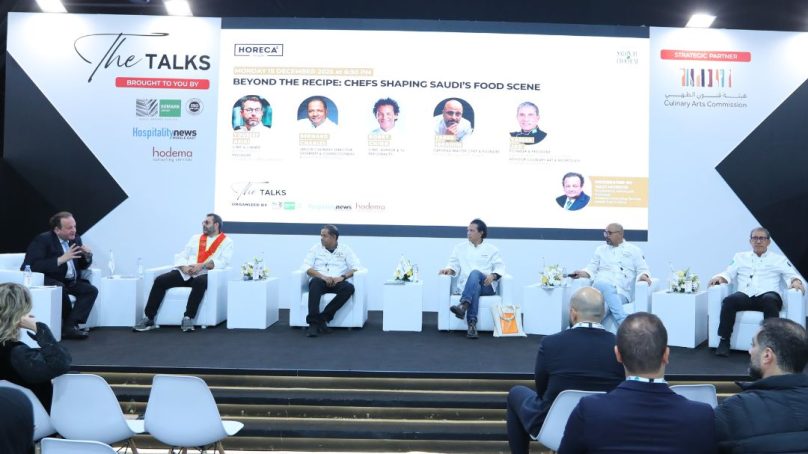
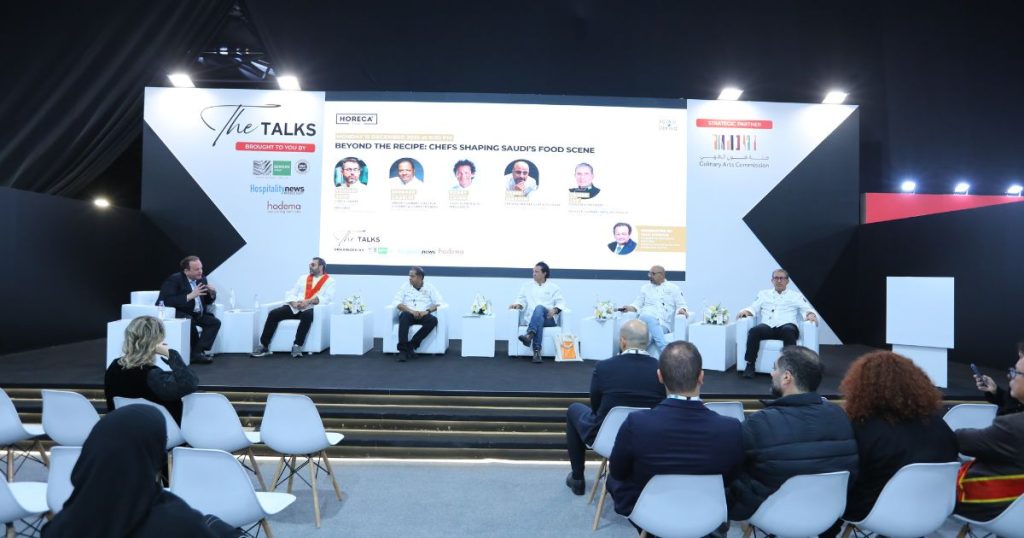
Insights from HORECA Talks at HORECA Riyadh 2025, co-organized by Semark, Hospitality News Middle East and Hodema Middle East and Africa. Session moderated by Nagi Morkos, founder and managing partner at Hodema Consulting Services.