Capital discipline reshapes investment priorities
The Middle East is quietly breaking up with “biggest-ever, mega and giga.” Not because ambition is gone, but because capital has developed standards. Diversification money is still very much in the room. However, higher interest rates and tougher scrutiny mean vision alone will not get the check. Cashflow, proof and repeat demand does. Money is going toward the unglamorous winners: airlift that actually connects, midscale beds that fill, culture you can program every week (not just for opening night.) The biggest shift? Tourism is now priced like infrastructure, run with tech discipline, and won by destinations built for return visits—not one-off spectacle.
Pre-sold demand drives financing models
In MENA, the smartest innovation is simple: sell demand before you pour concrete. Destinations are locking in cashflow upfront. These include airlift guarantees, pre-sold MICE calendars, multi-year event rights, resident and visitor passes. That contracted demand becomes the credit story. Banks lend earlier. Risk prices lower. Developers build what will actually fill. Consequently, it flips tourism from a speculative real estate gamble into something predictable, financeable and repeatable. Technology is transforming this further. AI and data are becoming the destination’s operating system. Instead of planning by intuition, you plan like a platform: forecast demand, price in real time and personalize journeys. The next leap is removing friction end to end. This includes smart visas, biometrics and one super-app layer linking entry, check-in, transport, tickets and payments into a single flow.
Hard-wiring community benefits and capacity limits
Sustainability in MENA needs to move from brochures to legal permits. Growth should be conditional. Approvals for new hotel keys, cruise slots and mega-events should be tied to audited capacity. These include water, energy, waste and mobility, with real thresholds and real enforcement. If a destination can’t carry the load, the answer isn’t “mitigate later.” It’s cap now.
Tourism only earns the right to grow if locals feel the upside. The smart move is to hard-wire community benefit into every deal. This includes local hiring and apprenticeships, SME procurement quotas and revenue-sharing that funds schools, public space and heritage—measured, audited, enforced. Culture isn’t decor. It’s a living system. Protect it with heritage-impact sign-off and community stewards on boards with real veto power.
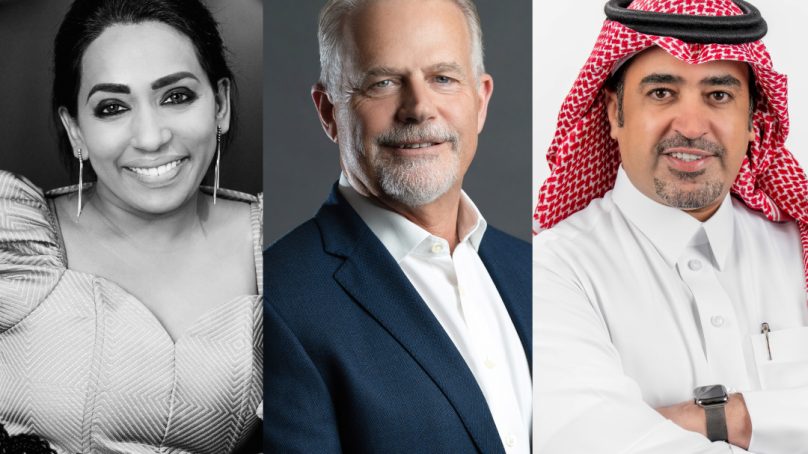
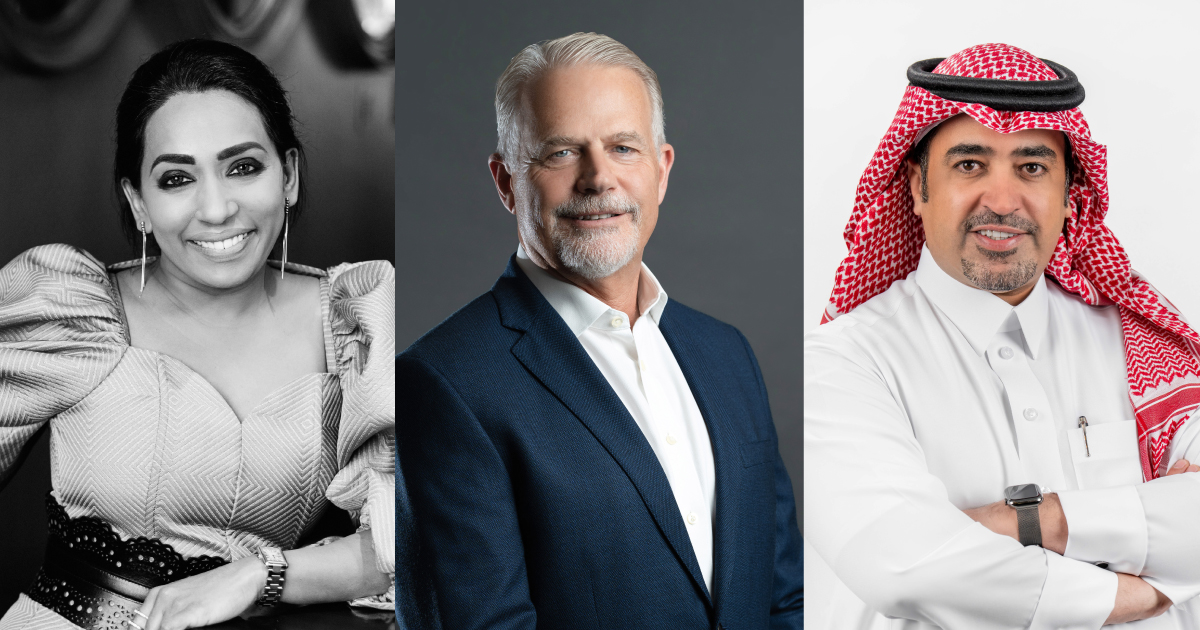
ARADHANA KHOWALA
CEO and founder
Aptamind Partners, UK
CEO and founder
Aptamind Partners, UK
Franchise models and integrated destinations
Tourism development in the Middle East continues to be shaped by sustained government investment and ambitious national tourism strategies. This is particularly evident in the GCC. Saudi Arabia and the UAE are leading large-scale destination development, attracting both regional and international capital.
A key structural trend is the move from traditional hotel management agreements (HMAs) to franchise models by major global brands. Notably, this reflects a maturing market and greater confidence among owners and developers in specialized operators. Third-party hospitality management companies are increasingly central to this evolution. They bring brand expertise and operational efficiency while enabling owners to align with global brands through flexible franchise structures.
At the same time, global travel patterns are shifting toward blended business and leisure. As a result, this is driving investment toward integrated, experience-led assets. Ciel Dubai Marina—the tallest hotel in the world and one of our newest openings—embodies this shift. It is designed to meet the needs of business travelers, leisure guests and lifestyle-driven visitors in a single, vertically integrated destination.
Sustainability in practice
Sustainable tourism requires coordinated policy frameworks that align economic growth with cultural stewardship and environmental responsibility. For example, in Dubai, entities such as the Department of Economy and Tourism and Dubai Municipality have set strong foundations through destination-wide sustainability agendas and the Green Building initiative. Crucially, operators must complement these frameworks with meaningful action. At The First Group Hospitality, all our properties are Green Key Certified. This demonstrates our commitment to energy efficiency and responsible waste management. Furthermore, we invest in community-rooted experiences. Farmers Commons, our farm-to-table restaurant at Hotel Local in JVT, celebrates local agriculture and sustainable dining. The menu features hydroponic herbs and honey produced in-house. Additionally, externally sourced ingredients come from local farmers who nurture the land with care and respect.
AI and digital transformation
Technology—especially artificial intelligence—is becoming inseparable from hospitality performance in the Middle East. Dubai is pioneering citywide innovation. Indeed, it has plans to become the first destination in the world to offer seamless online check-ins for all visitors. The First Group Hospitality is investing in proprietary software and platform development. Notably, this integrates AI, automation and predictive analytics into every stage of the guest and operational journey.
Ultimately, the technologies with the greatest influence will be those that deliver frictionless, personalized digital journeys. These will also support predictive revenue management, integrate loyalty ecosystems and optimize operational efficiency through smart systems.
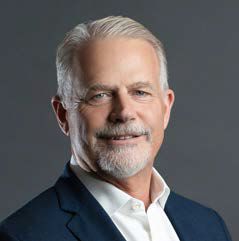
DAVID THOMSON
Vice president development
The First Group Hospitality
Vice president development
The First Group Hospitality
Economic diversification and partnership models
Current macroeconomic trends in the Middle East include steady regional economic growth, strong government spending and ongoing efforts to diversify away from oil. Crucially, these trends are driving rapid tourism growth across the region. Governments are investing heavily in aviation, major infrastructure and large-scale tourism projects. This is shifting investor interest toward long-term, high-value opportunities.
Investment models are increasingly oriented toward partnerships between owners of large-scale real estate projects and specialized developers such as hospitality operators. One of TAIBA’s most prominent partnership models is the Makarem Burj Al Madinah in Madinah. The project was developed through a partnership between Awqaf Investment Company (51 percent stake) and TAIBA (49 percent stake). The hotel has recently been completed and entered its soft-opening phase. It offers a luxury 5-star hospitality experience adjacent to Al-Masjid an-Nabawi.
Agentic AI and digital transformation
Inevitably, technology is reshaping the regional tourism landscape through seamless, data-driven guest experiences and smarter destination planning. Digital platforms are driving a surge in online travel reservations. As a Among the technological advancements poised to reshape tourism is the emergence of agentic AI technologies. Unlike traditional artificial intelligence (AI), agentic AI operates as autonomous agents capable of making decisions and executing complex tasks independently. This enables smarter solutions in destination management, result, accessibility is expanding and market competitiveness is increasing. real-time personalization and enhanced operational efficiency through continuous learning and dynamic interaction with evolving guest needs.
Cultural preservation and future priorities
The region can safeguard its heritage by embedding cultural narratives into destination design. These range from architecture and gastronomy to crafts and storytelling. Additionally, strategic collaborations with cultural ministries, UNESCO-linked entities and heritage preservation bodies ensure authenticity remains central. By blending modern hospitality with deeply rooted traditions, destinations can offer unique, identity-driven experiences that resonate globally.
The next phase will be defined by integrated mega-destinations, sustainability-led planning and the rise of experiential and spiritual tourism. Stakeholders should prioritize digital transformation, sustainable infrastructure and human-capital development. This should include particular focus on youth and women empowerment. Investing in heritage conservation, green mobility and lifestyle-oriented tourism segments will be essential. Ultimately, by aligning innovation with cultural authenticity, the region can achieve sustainable, inclusive tourism growth over the coming decade.
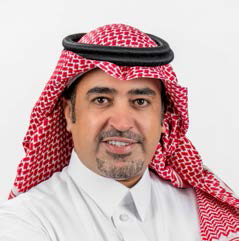
SULTAN BADER AL-OTAIBI
Chief executive officer
TAIBA