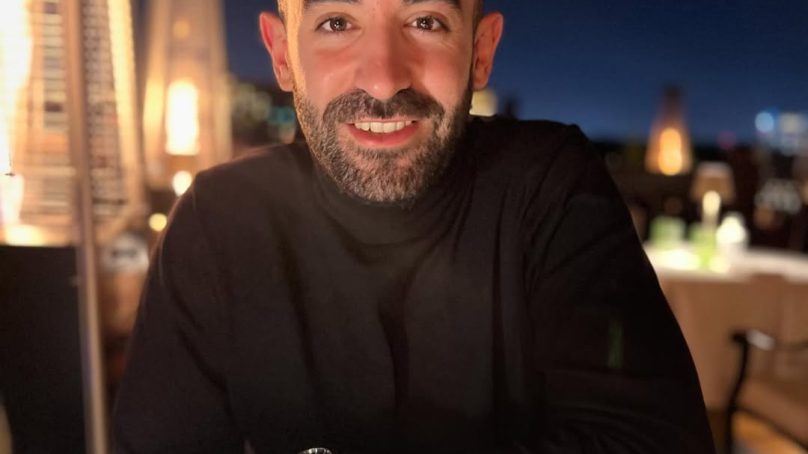
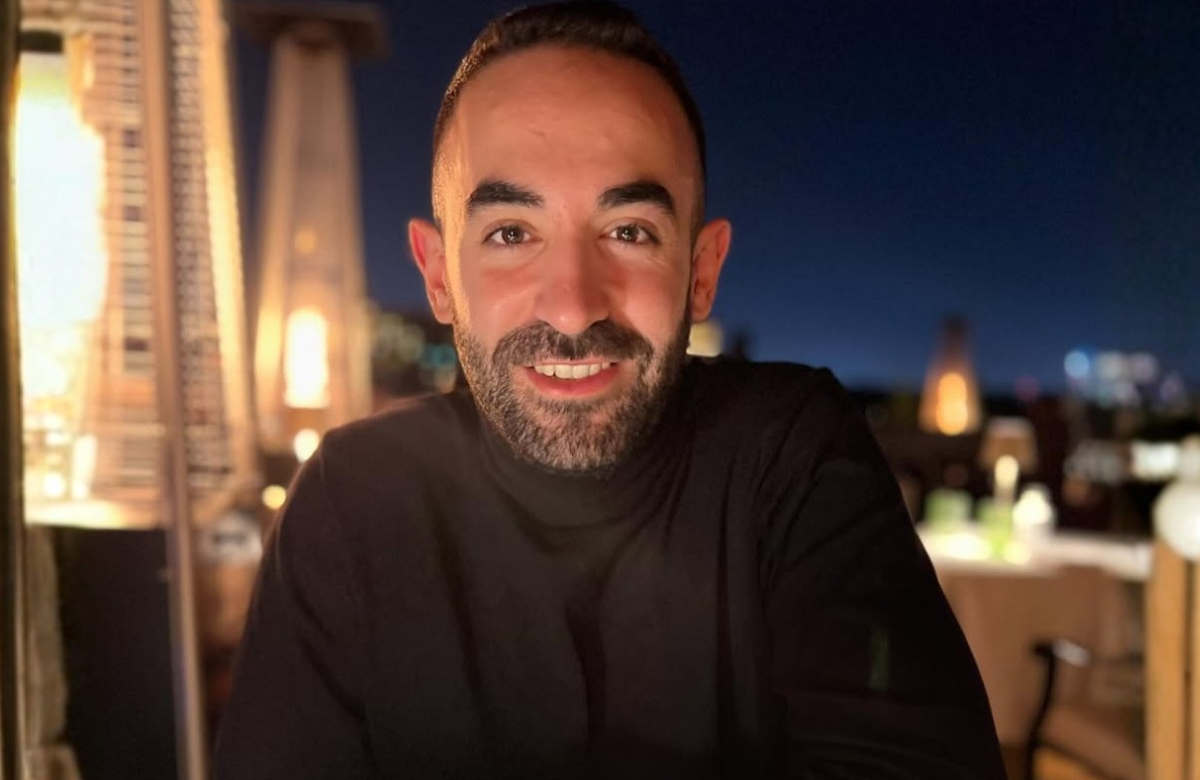
Former Top Chef MENA winner and Hayek Hospitality founder serves Middle Eastern flavors with a dash of Californian creativity in the US. In a sit-down with HN, Charbel Hayek tackles tough questions, challenges everything diners thought they knew about him and his cuisine, and more.
How do you make Middle Eastern cuisine accessible to a US audience while maintaining its true essence?
Indeed, it’s all about keeping the heart of our cuisine alive through generosity, freshness and its deep connection to nature. Furthermore, I don’t aim to reinvent traditional dishes; instead, I focus on elevating their authentic essence with thoughtful, modern interpretations. Ultimately, my goal is to make Lebanese and Mediterranean flavors approachable and exciting without losing their story, emotion or cultural significance.
You’ve worked across distinct culinary landscapes. How has this cross-cultural exposure influenced you?
Certainly, each place I’ve worked has taught me something unique about taste, culture and how people emotionally connect with food. Additionally, the Middle East gave me boldness, spice layering, warmth and depth, while California taught balance and ingredient purity. Consequently, I now create harmony on every plate, vibrant yet clean, traditional yet forward-thinking, where every element carries meaningful movement.
How has your view on leadership and mentorship evolved since Top Chef?
Undoubtedly, Top Chef taught me to trust my instincts under pressure and find clarity amid intense creative competition. Afterward, leading a kitchen revealed that true growth happens through patience, guidance and the ability to nurture emerging culinary voices. Therefore, I believe mentorship is not about control but about inspiration, helping chefs cook with emotion, awareness and purposeful creativity.
What dish best represents your heritage and who you are as a chef today?
The Zaatar Manoushe at Ladyhawk defines who I am and symbolizes my enduring connection to Lebanon and its traditions. Furthermore, it’s a humble Lebanese classic reimagined with refinement, balancing craftsmanship, elegance and emotion while preserving its authentic soul. Moreover, it’s more than flatbread; it’s my identity and elevated tribute to home, memory and belonging within modern gastronomy.
Are Middle Eastern chefs now defining their own narrative rather than seeking representation?
Absolutely, the global culinary narrative is shifting from representation toward authorship, giving Middle Eastern chefs the confidence to define their future. Historically, we worked to be seen, yet now we are determined to be heard and respected for our creativity. Therefore, this movement celebrates innovation, cultural pride and individuality, proving our cuisine belongs globally on its own authentic, flavorful and modern terms.