A multitude of benefits
Healthy food not only prevents sickness, but can also enhance the immune system, stabilize weight, improve digestion and even limit cognitive decline. As the global population is aging, many elderly consumers are watching their diets to remain in good shape. According to Grand View Research, the global health and wellness market was estimated at over USD 900 billion in 2024 and is projected to reach USD 1.59 trillion by 2030. Putting healthy ingredients into your body has often been linked to supporting other causes such as protecting nature and animals.
Better choices
For years, eating healthy was associated with vegetarianism and more recently veganism. However, in the early 2000s, appetizing alternatives for people wanting to avoid meat were scarce.
Today things have improved, with many brands investing in their products to meet demand for tastier vegetable-based meals. Some even offer meat substitutes produced through fermentation or the culturing of animal cells. However, despite this wider array of possibilities, ‘mock meat’ remains expensive and mostly only accessible to people living in big towns and cities. And supply isn’t the only issue. Many healthy eaters are indeed going back to meat but opting instead for ethically and locally sourced products.
Flexitarianism on the rise
The quantity consumed also matters. It’s been scientifically established that having a meat-based meal every day is not great for our health. Consequently, the old tradition of having a meat or fish dish once a week has returned in many households. There is even a word for these occasional meat eaters: flexitarians.
For those having a hard time quitting meat altogether, flexitarianism is the easier way to achieve a healthy diet. It removes the rigidity of an all-vegetable lifestyle. Furthermore, this more nuanced approach to healthy food makes it easier to still enjoy a social life in restaurants and bars.
Taste matters
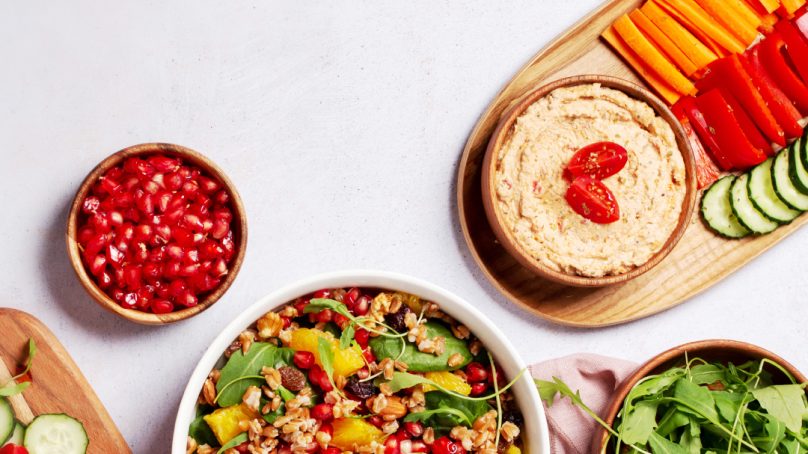
For many years, healthy food was labeled bland and boring, devoid of the salty and sugary flavors associated with junk food, processed meals or rich homemade dishes. Then the Mediterranean diet, with its colorful salads and cheese pastries, was declared the healthiest in the world. Greek and Lebanese dishes suddenly became the latest fad. They made vegetable options and protein-based finger food and dips attractive to many households.
Chefs, food bloggers and influencers have since understood the business opportunity behind eating healthy. While some concepts such as bowl bars are embracing the healthy food movement, traditional establishments have also realized something important – the need to align with a trend that’s here to stay. Menus now offer more plant-based options. Ingredients are sourced carefully. Additionally, dishes cooked with cream or butter are now lighter on our stomachs. Even emblematic junk food brands such as Taco Bell, Wendy’s and McDonald’s are adding salads and healthier sandwich options to their menus.
Sweet alternatives
Another key development is the growing popularity of sweeteners as replacements for sugar, which allows consumers to indulge in their favorite desserts without the guilt or the calories. Substitutes
vary from the artificial options such as sucralose or aspartame to the synthetically made ones like xylitol and sorbitol. And then there are the plant-derived ones which include monk fruit, chicory root and stevia. Critics have raised concerns that the man-made varieties have yet to be vetted by long-term scientific data. As a result, cautious consumers have been turning to the most natural alternatives.
New snacks continue to appear daily. From savory to sweet options and sometimes both combined, these offerings balance pleasure and nutrition.
The functional snack phenomenon
One area where sugar substitutes matter is the snacking industry. Since the 1980s and the rise of advertising on TV, snacks have been viewed as the pinnacle of consumerism. Millions began snacking daily, especially kids, and generally speaking, the richer, creamier and tastier the snack, the better.
Fast forward 40 years, however, and it is now accepted that many products aimed at children were harmful to their health and growth. And the snacks for adults were no better; packed with processed sugar and salt, they were recognized as contributing to obesity and diabetes, among other conditions. So while some emblematic chocolate bars remain firmly on supermarket shelves, snack manufacturers began making amends and offering healthier options, in a bid to help consumers forget about their past creations. These included nuts, fruits, seeds, cereals and plant-based sugars.
However, many seemed lackluster compared to the unhealthy ones. Only in the past 10 years have these snacks finally found their fit.
From niche to must-have
Today, energy bars and snacks with nutritional benefits have secured new and varied fanbases. From athletes looking for an energy boost to students seeking ‘super study’ bars with dark chocolate or bananas and sugar addicts trying to cut down on junk food, a range of consumers now regard these products as essential purchases. At the same time, brands producing biscuits – still the most popular snacking options for kids – are cutting down on sugar. They are also adding functional ingredients such as fiber and protein to their mix. New snacks continue to appear daily. From savory to sweet options and sometimes both combined, these offerings balance pleasure and nutrition. As a result, everyone can find their go-to fix without sacrificing taste or enjoyment.
Diverse inspiration
Asia is viewed as the most dynamic market, with customers opting for Western-style snacks and local delicacies in equal measure. This healthy trend is also evident across drink and dairy snack categories. Hundreds of new beverages have appeared on our shelves offering health benefits. Some come with sugar substitutes and others with natural ingredients, such as smoothies and kombucha. Bars have introduced functional mocktails on their menus. Even water has joined the trend, with brands introducing flavors and fizz to make it more appealing.
Experimental flavors
To fuel consumers’ ever-evolving healthy habits, the industry is constantly looking for novelty. While seaweed has been a vegetarian and vegan household favorite for some time, social media and cooking shows are now taking it mainstream. Sea moss and duckweed, for instance, are being praised for their antioxidants, nutrient content and sustainable qualities. We are also seeing the launch of more experimental products, such as sea moss mango juice and gummies, and seaweed ketchup and salsas.
Fermented food and drinks are on the rise as well. New flavors and bold tastes can also be found in ethnic and local cuisine. Spices are gaining popularity in Western kitchens thanks to their zero-calorie and health benefits. And we’re seeing cooks drawing their inspiration from Chinese, Indian and Middle Eastern recipes to spice up their meal routines.
Accessibility is key
Despite having so many options and recipes at hand, many people still find keeping their diet in check a challenge. Global obesity remains on the rise. For some, the challenge is psychological. The temptation to indulge in junk and fatty food is all around us, with delivery just a click away. However, for others it’s a matter of cost. Prices have continued to rise, putting fresh and healthy produce out of reach for many households. So the challenge for the industry is to make healthy options more accessible, both financially and logistically.

Nada Alameddine
Managing Partner
Hodema Consulting Services
hodema.net
@a_snada
@hodema