Prioritizing natural quality
Producers should highlight natural leanness, clean cuts and real flavor, not over-processing. For example, lean meats like trimmed beef, free-range chicken and turkey fit perfectly into a Mediterranean way of eating. Reduced-sodium products can rely on herbs, spices, citrus and fermentation instead of salt. Importantly, high-protein offerings should stay close to the source: whole-muscle cuts, not heavily marinated or injected meats. When producers respect the product, chefs and consumers can build healthier plates naturally, without sacrificing taste or tradition.
Meeting younger consumer expectations
Gen Z and millennials are driving demand for transparency, simplicity and convenience. They prefer smaller cuts, versatile proteins and ready-to-cook options that feel fresh, not industrial. In the kitchen, they want flexibility: strips, cubes and pre-portioned meats that cook quickly and travel well across cuisines. Also, stories really matter—origin, farming practices and sustainability are a key part of the purchase decision. These generations cook less formally but care deeply about values, flavor and visuals. Consequently, they are pushing producers to rethink packaging, formats and storytelling.
Building trust through transparency
Above everything else, today’s consumers value animal welfare, antibiotic-free production and clear sourcing. Organic certification matters, but only when it’s credible and accessible. Crucially, there is more trust in transparent labeling than in buzzwords. People want to know where their meat comes from, how the animal was raised and who stands behind it. As a result, quality, ethics and honesty now influence flavor perception itself. A respected product cooks better—and eats better—because trust is part of taste.
Innovation through respect
True innovation doesn’t mean complexity. Rather, it means respecting raw ingredients. Producers should innovate through cut selection, portioning, better aging, cleaner processing and sustainable packaging. Working closely with chefs helps preserve taste while meeting health and sustainability standards. The approach should be to reduce additives, use natural preservation and design products that adapt to multiple cuisines. The future belongs to producers who treat meat as a living product, not an industrial one. Importantly, this will involve health, sustainability and flavor supporting, rather than competing against each other.

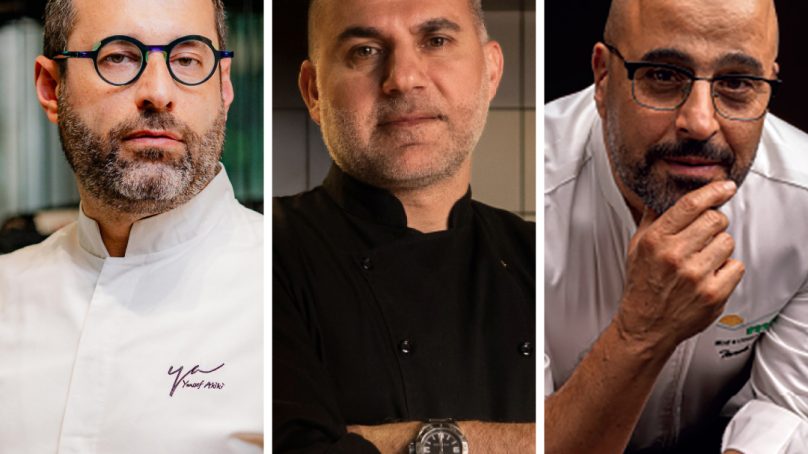
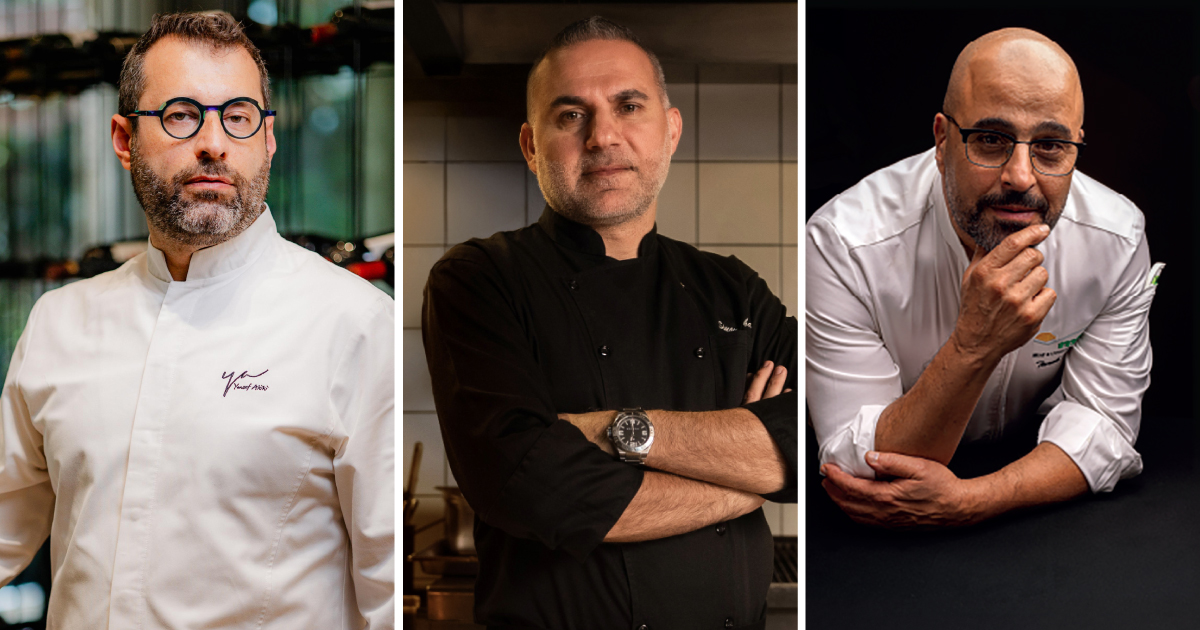
YOUSSEF AKIKI
Chef and owner brût Restaurant Kitchen Backstage
youssefakiki.com
brut.youssefakiki.com
@chefyoussefakiki
Capitalizing on wellness demand
Consumers are looking for lean cuts, high-protein options and reduced-sodium products that fit active lifestyles and family meals. Offering ready-to-cook portions, clean-label marinades and clear nutritional information makes healthy eating simple without compromising on taste. Additionally, using local spices and global flavor inspirations keeps dishes exciting and appealing. Collaborating with supermarkets, chefs and influencers to share easy, flavorful recipes encourages trial and builds trust. As a result, consumers are more likely to make healthier choices while enjoying their favorite proteins.
Growth categories through 2026
In the UAE region, several categories are expected to expand significantly. Chicken remains dominant, thanks to affordability, halal-certification compliance and broad consumption. Interestingly, Turkey is increasingly popular among health-conscious consumers preferring lean proteins. Moreover, demand for beef is rising among expatriates and consumers seeking premium protein diversity. Processed and value-added formats, alongside plant-based alternatives, are also popular, fueled by desire for convenience food and healthier lifestyles. Overall, poultry, beef and ready-to-cook formats are set to lead growth.
Aligning innovation with values
Producers can innovate by developing lean, high-protein cuts, reduced-sodium marinades and clean-label recipes. Investing in sustainable sourcing, eco-friendly packaging and local production aligns with national sustainability goals. Crucially, flavor innovation such as global fusion marinades, air-fryer-friendly products and chef-inspired rubs ensures taste remains central. Elsewhere, producers can integrate plant-forward blends to meet wellness and sustainability demands without compromising flavor. Clear labeling on nutrition, origin and animal welfare boosts trust, while partnerships help educate consumers and drive adoption.
Simplifying quality messaging
Brands can communicate quality, nutrition and sourcing clearly by focusing on halal certification, lean cuts and responsibly sourced ingredients using easy-to-read labels or short phrases. For example, stories like “fresh from local farms” build trust. Moreover, visuals, social media and local influencers make benefits easy to understand. Keeping messages consistent across packaging online and in-store, helps shoppers quickly see what makes products healthy, safe and high-quality.
SIMON EL BAYEH
Executive chef
Seagrass Boutique Hospitality Group
hunterandbarrel.ae
@simonelbayeh
Repositioning protein in modern diets
Nutrition perceptions have changed significantly over the past decade.
Current trends, including keto and low-carb diets, highlight that reducing sugar and carbohydrates is far more effective than cutting fat. Today, meat and poultry producers have an opportunity to explain to consumers that traditional eating patterns were more balanced. Importantly, protein is essential for muscle development, overall strength and proper intake of vitamins and minerals such as B12, iron and zinc. By consuming quality beef, poultry and lamb, therefore, people can significantly improve their health. To capitalize on this shift, producers must invest in education and clear communication. By doing so, they can reposition meat as a vital component of a healthy lifestyle.
Evidence-based communication
Brands must rely on facts, solid scientific evidence and real-life examples. Crucially, showing customers proof and credible data increases trust. Brands should demonstrate that high-protein, moderate-fat diets combined with reduced carbohydrate intake can support healthier bodies. This is especially true when paired with regular physical activity. It is also important to highlight sourcing from reputable and traceable producers, showing transparency across the supply chain. Education, undoubtedly, is key to breaking cycles of restrictive dieting and weight regain. Ideally, effective communication should happen through multiple channels, including traditional media, social media, seminars, workshops and experiential events.
Meat vs. influencers
Social media and influencers play a powerful role, both positively and negatively. Unfortunately, many influencers lack accurate knowledge about meat and nutrition. Despite this, influencers have a major impact on purchasing decisions, creating challenges for producers as misinformation can easily spread. Ideally, the industry needs knowledgeable voices on social media who truly understand meat, sourcing and nutrition. A unified platform where producers collaborate to share accurate information could balance influence. This would help to ensure that expertise, not just aesthetics, drives consumer decisions. In summary, influencer marketing is powerful, but without proper education and credibility, it risks damaging trust.

TAREK IBRAHIM
CEO and founder
Umami Restaurants
Certified masterchef, World Association
ambassador, Meat and Livestock Australia
@cheftarekibrahim, @umami.eg,
@aussiebeeflambme
For more articles, click here


About author

Rita Ghantous
Rita Ghantous is a hospitality aficionado and a passionate writer with over 9 years’ experience in journalism and 5 years experience in the hospitality sector. Her passion for the performance arts and writing, started early. At 10 years old she was praised for her solo performance of the Beatles song “All My Love” accompanied by a guitarist, and was approached by a French talent scout during her school play. However, her love for writing was stronger. Fresh out of school, she became a freelance journalist for Noun Magazine and was awarded the Silver Award Cup for Outstanding Poetry, by The International Library of Poetry (Washington DC). She studied Business Management and earned a Masters degree from Saint Joseph University (USJ), her thesis was published in the Proche-Orient, Études en Management book. She then pursued a career in the hospitality industry but didn’t give up writing, that is why she launched the Four Points by Sheraton Le Verdun Newsletter. Her love for the industry and journalism led her to Hospitality Services - the organizers of the HORECA trade show in Lebanon, Saudi Arabia, Kuwait and Jordan, as well as Salon Du Chocolat, Beirut Cooking Festival, Whisky Live and other regional shows. She is currently the Publications Executive of Hospitality News Middle East, Taste & Flavors and Lebanon Traveler. It is with ultimate devotion for her magazines that she demonstrates her hospitality savoir-faire.