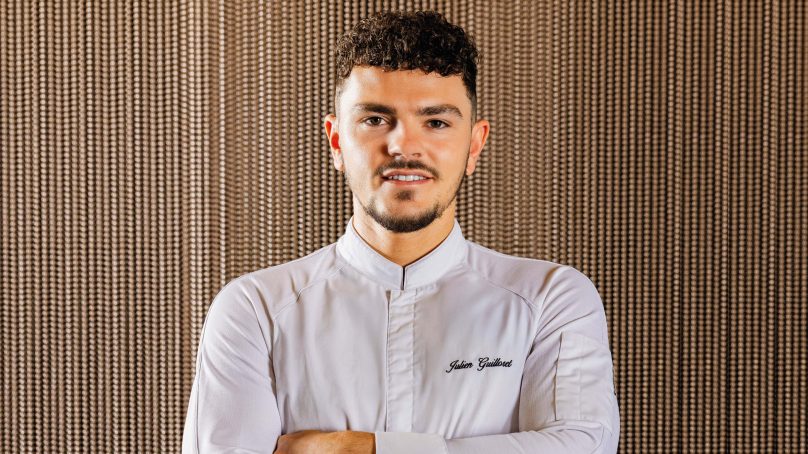
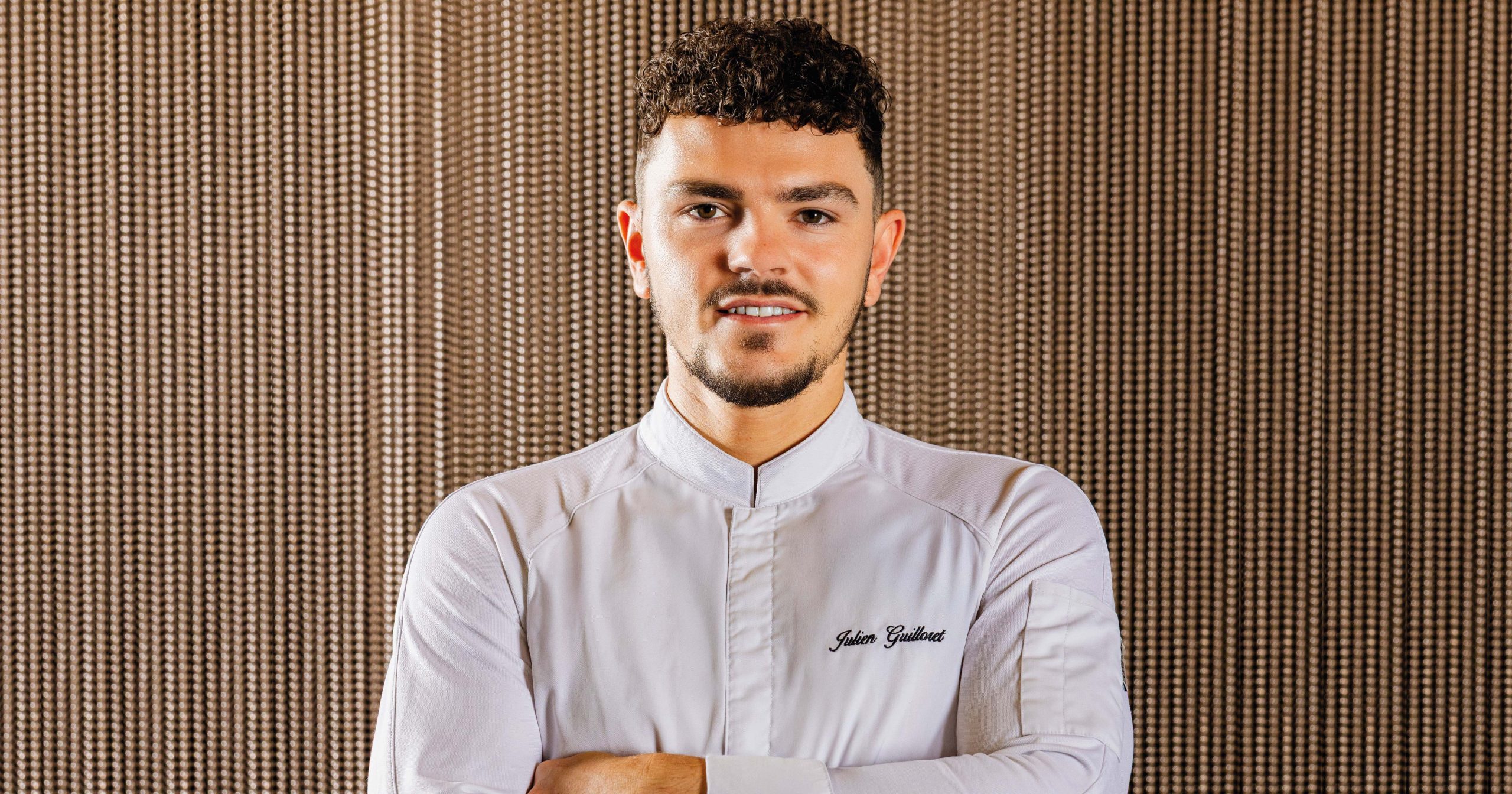
Some restaurants exist solely to serve a meal. Others become part of something much larger. At Jiwan, nestled within the National Museum of Qatar, dining is woven into the country’s cultural narrative, where every dish offers a deeper connection to Qatar’s heritage, traditions and identity. Chef Julien Guilloret tells us more.
Jiwan is located within the National Museum of Qatar. How does being part of a cultural institution influence your culinary vision and the experience you create for guests?
Being part of the National Museum of Qatar allows us to extend each guest’s cultural journey through memorable culinary experiences. Moreover, our menu becomes another form of storytelling, celebrating the traditions, ingredients and flavors that define this region.
Furthermore, we draw inspiration from local culture and Middle Eastern culinary traditions while presenting them through contemporary perspectives. Instead, we reinterpret familiar flavors to create experiences that feel both comforting and unexpectedly exciting for our guests. Consequently, our goal is for every guest to leave with a deeper appreciation of what makes Qatar unique.
As a Michelin Bib Gourmand-recognized chef, what values and strengths do you bring to Jiwan, and how do they shape the restaurant’s identity?
The values guiding my work are respect, authenticity and generosity, especially toward ingredients, producers and culinary traditions everywhere. Moreover, these principles were strengthened during my years with the Alain Ducasse group and continue to shape my approach today. At Jiwan, excellence means creating meaningful experiences that remain welcoming, accessible and deeply rooted in genuine hospitality principles. Furthermore, the Michelin Bib Gourmand recognition reflects this philosophy by celebrating quality, consistency and exceptional value for guests. I also bring a strong commitment to craftsmanship and continuous creativity while honoring the restaurant’s unique cultural identity. We present Middle Eastern flavors in ways that feel refined, contemporary and emotionally engaging while remaining authentic.
Museum visitors often come seeking culture and heritage rather than a dining experience. How do you attract and engage this unique audience through food?
I believe food is among the most powerful ways to connect people with culture because it engages every sense. Moreover, many guests initially visit the museum for exhibitions, yet dining offers a more personal cultural experience afterward. At Jiwan, we create curiosity through flavor by introducing regional ingredients and traditions in unexpected and memorable presentations. Furthermore, we carefully consider the narrative behind every dish because storytelling deepens guests’ understanding and emotional connections. Consequently, when guests understand the inspiration behind their meal, dining becomes an essential part of their cultural journey.
In your opinion, what role do museum restaurants play in today’s culinary landscape, and why are they becoming increasingly important destinations?
Museum restaurants have evolved far beyond places where visitors simply pause briefly before continuing their cultural exploration elsewhere. Today, they have opportunities to become destinations themselves by offering experiences that enrich and complement museum discoveries meaningfully.
Moreover, restaurants within cultural institutions create dialogs between art, history, architecture, design and gastronomy in remarkable ways. At Jiwan, guests experience exceptional cuisine alongside the National Museum of Qatar’s distinctive setting and inspiring storytelling. Consequently, dining becomes an extension of the cultural experience, allowing visitors to engage through taste, emotion and connection. These experiences create lasting memories that remain with guests long after they have completed their museum visit.