
Artificial intelligence (AI) is rapidly reshaping the global events industry, increasingly regarded by organizers as an essential tool rather than an optional extra. Across large-scale conferences and trade shows, cutting-edge technology is now being used to streamline logistics, analyze attendee behavior and personalize experiences in real time. As these systems become more advanced, they are also changing how events are designed and delivered.
A rapidly shifting landscape
Across the region, adoption has accelerated at pace. Countries such as the UAE have positioned themselves as early users of digital innovation, introducing new technologies into major public and private sector events. As a result, AI is now a visible presence across leading conference venues and exhibitions.
However, this shift is not happening in isolation. It reflects a wider global movement toward digital-first event design, where technology is no longer an add-on but a core part of planning and delivery. In turn, organizers are rethinking their events from the outset.
Smarter ways of working
For industry players, AI is increasingly seen as a practical tool rather than a novelty. Large-scale events involve complex logistics, from scheduling and supplier coordination to marketing and registration. However, many of these processes can now be automated. Accordingly, planners are able to reduce manual workload and improve efficiency. Data tools can also recommend venues, estimate costs and analyze past performance. In turn, decision-making
is becoming faster and more informed. Crucially, this shift allows organizers to focus more on strategy and experience design, rather than administrative execution.
More personalized experiences
Importantly, large conferences can often feel overwhelming for attendees. Multiple sessions, overlapping talks and networking opportunities can make navigation difficult. However, AI-powered systems are helping to simplify this experience. Event platforms can now suggest sessions based on professional interests, highlight relevant exhibitors and connect attendees with potential collaborators. As a result, participation becomes more focused and intentional. Similarly, digital assistants are increasingly being used to support attendees in real time. Instead of searching for information manually, users can access instant responses, improving flow throughout the event.
Why human connection still matters
But despite these advances, the purpose of events remains fundamentally human. People attend to connect, exchange ideas and build relationships. While technology can facilitate these interactions, it cannot replace them. In fact, some of the most valuable moments still happen outside formal programming. Conversations in corridors or chance meetings often leave the strongest impact. Therefore, human connection continues to define the event experience. AI can help identify opportunities for connection more efficiently. Yet it cannot replicate the authenticity of face-to-face interaction. As a result, most industry professionals view it as an enhancement tool rather than a replacement.
Balancing opportunity and risk
While the benefits of using AI in the events industry are clear, challenges remain. Data privacy is one of the most significant concerns. These systems rely on personal information to deliver tailored experiences. Therefore, transparency and responsible data use are essential. Beyond this, over-reliance on technology presents operational risks. If systems fail during an event, disruption can be immediate and widespread. For this reason, human oversight remains critical to ensure continuity and resilience.
Finding the right balance
Looking ahead, AI is expected to become even more integrated into the events industry. However, its long-term success will depend on balance. While it can improve efficiency and personalization, it must not overshadow the human experience at the heart of events. Ultimately, events are about people. When used thoughtfully, technology can enhance those connections. However, responsibility lies with organizers to ensure that innovation strengthens, rather than replaces, what makes events meaningful.

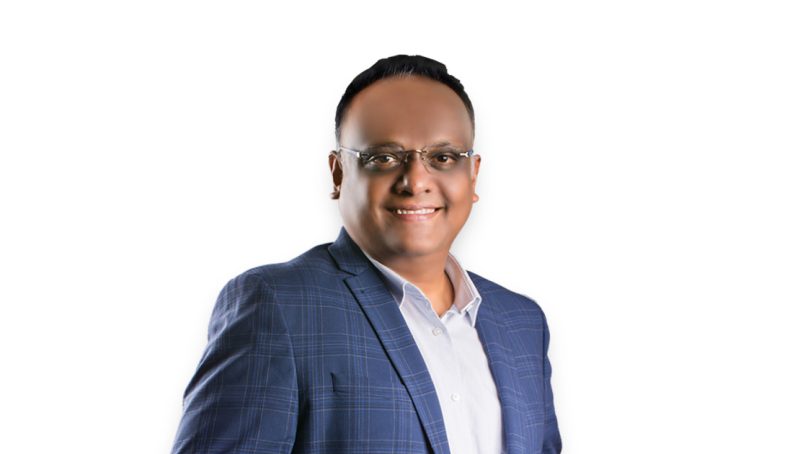
Lovetto Nazareth,
managing director
Prism Digital
@prismsocial
@lovettonazareth