For decades, wellness in hospitality lived quietly inside the spa menu, a massage treatment, a yoga class or perhaps a detox program. Today, however, wellness is undergoing a strategic shift. Indeed, it is no longer simply an amenity designed to enhance a guest’s stay. Instead, it is increasingly becoming the core operating model for premium hospitality destinations. This evolution, consequently, reflects a deeper transformation in traveler priorities. Guests are no longer seeking only relaxation or luxury. Increasingly, they are looking for experiences that improve how they live, feel and perform long after their stay ends.
Wellness as a core value
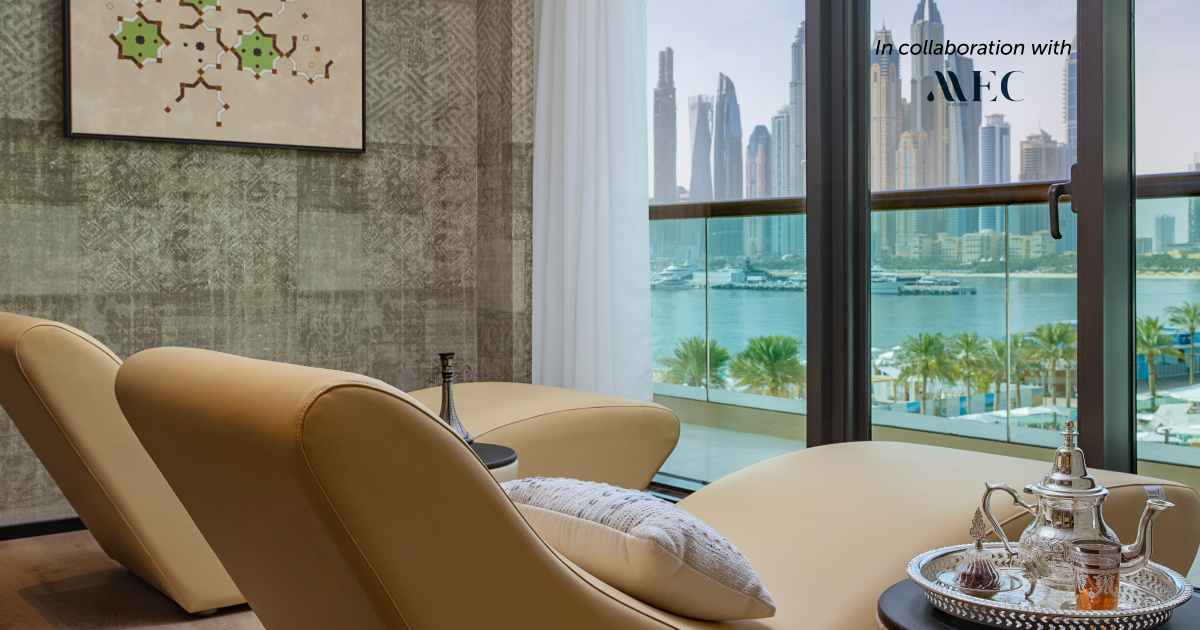
Historically, hotels positioned wellness as an optional add-on. Guests might book a treatment during their stay, but the primary offering remained accommodation and leisure. Today, however, leading hospitality brands are integrating wellbeing into the very architecture of their properties. From air purification systems and circadian lighting to sleep optimization programs and wellness-focused design, hotels are embedding health-conscious elements into every stage of the guest journey. This shift transforms wellness from a service category into a defining feature of the hospitality product itself.
The rise of longevity tourism
One significant development within this transformation is the emergence of longevity tourism, focused on proactive health optimization. Rather than traditional spa treatments alone, travelers are increasingly interested in experiences that support long-term wellbeing. Programs now include metabolic diagnostics, recovery therapies, nutrition consultations and stress management protocols. Notably, destinations in Europe and Asia have already begun integrating medical wellness centers within hospitality environments. As a result, hybrid models are emerging, where guests can combine leisure travel with preventive health practices. For hospitality operators, longevity-focused programs offer clear commercial advantages. For example, benefits include longer stays, higher guest engagement and an increased willingness to pay for specialized services.
Experience design as differentiator
Experiential marketing has long been part of hospitality storytelling, but its role is becoming more strategic. Accordingly, wellness-driven destinations now treat experience design as a structured discipline rather than a collection of activities. Instead of isolated offerings, successful properties are curating integrated journeys that combine physical environment, programming and service rituals. For example, guided nature immersion, breathwork sessions and mindful culinary experiences are designed not simply as entertainment. Rather, they feature as components of a cohesive brand philosophy. In this model, every guest interaction contributes to the perception of the destination’s wellness identity.
Hospitality as a lifestyle platform
Another emerging shift is the growing role of hospitality spaces as communities of shared interests rather than temporary accommodation. Together, wellness retreats, educational workshops and curated gatherings are transforming hotels into environments where guests connect around personal development, health and lifestyle exploration. This evolution reflects a broader change in traveler expectations. Increasingly, guests are not only seeking relaxation but also personal enrichment and meaningful social experiences during their stay.
Authentic integration wins
While wellness is rapidly gaining momentum across the hospitality sector, its success ultimately depends on authenticity. Importantly, travelers quickly recognize when wellbeing initiatives are superficial marketing additions rather than genuine operational commitments. Above all, the brands that stand out are those that integrate wellness across architecture, service culture, programming and brand narrative. When wellbeing becomes embedded in the philosophy of the destination, hospitality evolves from a place of temporary escape into a platform for lasting impact on the guest’s lifestyle.