Creating alcohol-free celebrations
Alcohol-free cocktails take the spotlight when crafted with the same precision as classic or signature drinks. An Instagram-worthy appearance, beautiful glassware, crystal clear ice, storytelling and even ceremonial service give guests that celebratory moment. Additionally, they provide an emotional sense of occasion. Furthermore, the ritualistic aspects of preparation and presentation matter just as much as the ingredients themselves. The experience can match the spirit of a cocktail only when nondrinkers feel included rather than accommodated.
Techniques that elevate complexity
Techniques that bring complexity and rich flavors into the drink include various ferments, such as kombucha, vinegars and shrubs. Distillates, like hydrosols, smoked cordials and enriched syrups also play their part. Additionally, spice extracts, acid blends, fat-washed liquids, high-quality tea leaves and specialty coffee brews elevate flavor structures. Overall, they are key in enabling producers to create complex, balanced, alcohol-free premium drinks. Moreover, layering these techniques creates depth that keeps guests engaged throughout the drinking experience. Equally important, the balance between sweet, bitter and acidic notes creates a memorable finish.
Showcasing zero-proof options
It’s imperative to offer and position alcohol-free beverages with pride on the main menu, rather than as an add-on. Similarly, producers should give them an appealing name, tell the story, highlight hero ingredients and present them beautifully. Training for team members is another requirement. Crucially, this will enable them to upsell and present alcohol-free drinks with enthusiasm and pride.
Importantly, many Michelin-starred and high-end restaurants create alcohol-free pairings for their food menus. The idea is to offer non-drinkers similar dining experiences to customers opting for classic wine or cocktail pairings. In this way, non-alcoholic options feel both premium and luxurious, and guests are keen to order them. Because of this, staff confidence becomes essential in positioning these beverages as desirable choices. Consistent quality across service then builds guest trust and encourages repeat orders.
Beyond mimicry
Interestingly, there is a misconception that alcohol-free options have to mirror or mimic the alcoholic version of a beverage to justify their value. People sometimes forget that the main purpose of zero-proof spirits or wines is to highlight the complexity and identity of their flavors and ingredients. They will never taste exactly like gin, rum or whisky. Granted, most producers today avoid labeling their alcohol-free spirits as alcohol alternatives. Instead, they prefer to offer unique flavor profiles that deserve appreciation on their own merits. After all, zero-proof spirit is not an alcohol substitute, but its own craft.

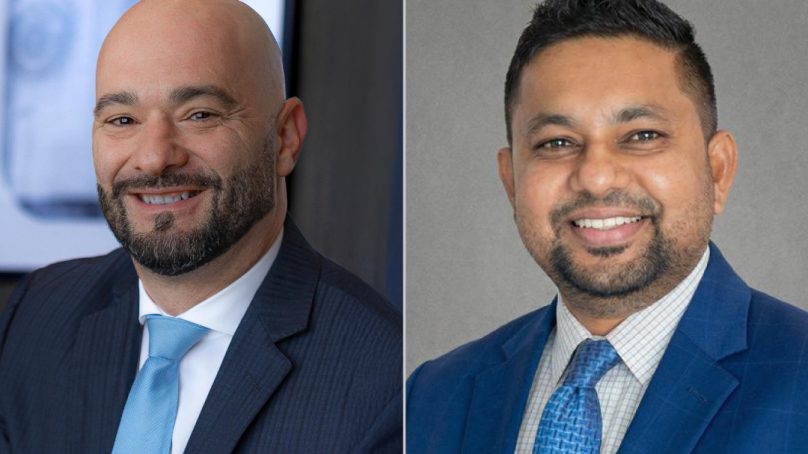
LUCA BARBA
Director of food and beverage
The Mangroves Abu Dhabi
LXR Hotels & Resorts
hilton.com
@lxrhotels
Director of food and beverage
The Mangroves Abu Dhabi
LXR Hotels & Resorts
hilton.com
@lxrhotels
Ritual, presentation and complexity
Alcohol-free beverages can recreate the sense of occasion by embracing the same elements that make classic cocktails special: for example, ritual, presentation and complexity. Served in elegant glassware with premium garnishes and layered flavors like bitterness, acidity and aromatics, these drinks feel equally celebratory. The key is to give them creative names, pair them with food and present them as signature experiences rather than “mocktails.” In this way, zero-proof options can elevate social moments and allow everyone to enjoy cocktail culture without alcohol.
Advanced craftsmanship
Mocktails become premium creations when crafted with advanced techniques and quality ingredients. For example, infusions, shrubs and oleo saccharum add layered flavors, while clarification and controlled carbonation refine texture and mouthfeel. Smoke or barrel-aging introduces depth, and botanicals, floral waters and exotic syrups bring aromatic sophistication. Simultaneously, bitters, tannins and balanced acids mimic classic cocktail complexity. Presentation is essential. Elegant glassware, clear ice, smoke bubbles and molecular mixology all have a part to play. Additionally, garnish artistry like skeleton leaves or dehydrated fruits add a special touch. Collectively, these elements help to ensure drinks match the ritual and allure of traditional cocktails.
Ushering in sophistication strategically
Bars and restaurants can introduce sophisticated alcohol-free drinks by treating them with the same artistry as classic cocktails. Strategies include creating dedicated zero-proof menus with creative names and using premium glassware and garnishes for visual appeal. Additionally, training staff to recommend these options with confidence is key. Highlighting wellness benefits and pairing drinks with food enhances perceived value. Meanwhile, storytelling about ingredients builds intrigue. Hosting tasting events featuring zeroproof specials during happy hours and leveraging social media to showcase presentation can attract mindful drinkers. Importantly, positioning these beverages as signature experiences ensures they feel celebratory, inclusive and worth choosing over traditional cocktails.
Beyond flavored water
One of the biggest misconceptions about alcohol-free spirits is that they are merely flavored water or juice. In reality, premium alcohol-free spirits are crafted through intricate processes similar to traditional distillation. These include botanical extraction, where herbs, spices and fruits are distilled or infused to create complex, layered flavors. Other processes include mouthfeel engineering, using ingredients like glycerin or natural extracts to replicate the texture and warmth of alcohol. Additionally, artisanal craftsmanship is a priority for producers, ensuring the sophistication and depth associated with traditional spirits.
A permanent cultural shift
The shift toward alcohol-free drinking is a clear sign of changing values. Significantly, younger generations are driving this movement, prioritizing wellness, mental clarity and mindful socializing over traditional drinking habits. Globally, no-alcohol categories are growing faster than their alcoholic counterparts, supported by sustained investment from major beverage brands. Long-term projections point to continued growth. In summary, alcohol-free drinking is a permanent evolution within beverage culture, backed by solid demographic shifts, economic investment and global momentum.

MANJULA FERNANDO
Director of F&B, master alchemist
Accor PME Hotels KSA
movenpick.accor.com
@movenpickriyadh
For more articles, click here


About author

Rita Ghantous
Rita Ghantous is a hospitality aficionado and a passionate writer with over 9 years’ experience in journalism and 5 years experience in the hospitality sector. Her passion for the performance arts and writing, started early. At 10 years old she was praised for her solo performance of the Beatles song “All My Love” accompanied by a guitarist, and was approached by a French talent scout during her school play. However, her love for writing was stronger. Fresh out of school, she became a freelance journalist for Noun Magazine and was awarded the Silver Award Cup for Outstanding Poetry, by The International Library of Poetry (Washington DC). She studied Business Management and earned a Masters degree from Saint Joseph University (USJ), her thesis was published in the Proche-Orient, Études en Management book. She then pursued a career in the hospitality industry but didn’t give up writing, that is why she launched the Four Points by Sheraton Le Verdun Newsletter. Her love for the industry and journalism led her to Hospitality Services - the organizers of the HORECA trade show in Lebanon, Saudi Arabia, Kuwait and Jordan, as well as Salon Du Chocolat, Beirut Cooking Festival, Whisky Live and other regional shows. She is currently the Publications Executive of Hospitality News Middle East, Taste & Flavors and Lebanon Traveler. It is with ultimate devotion for her magazines that she demonstrates her hospitality savoir-faire.