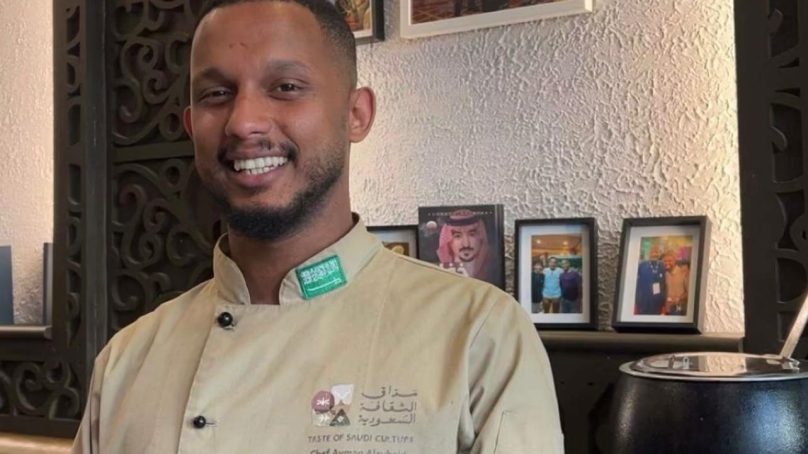
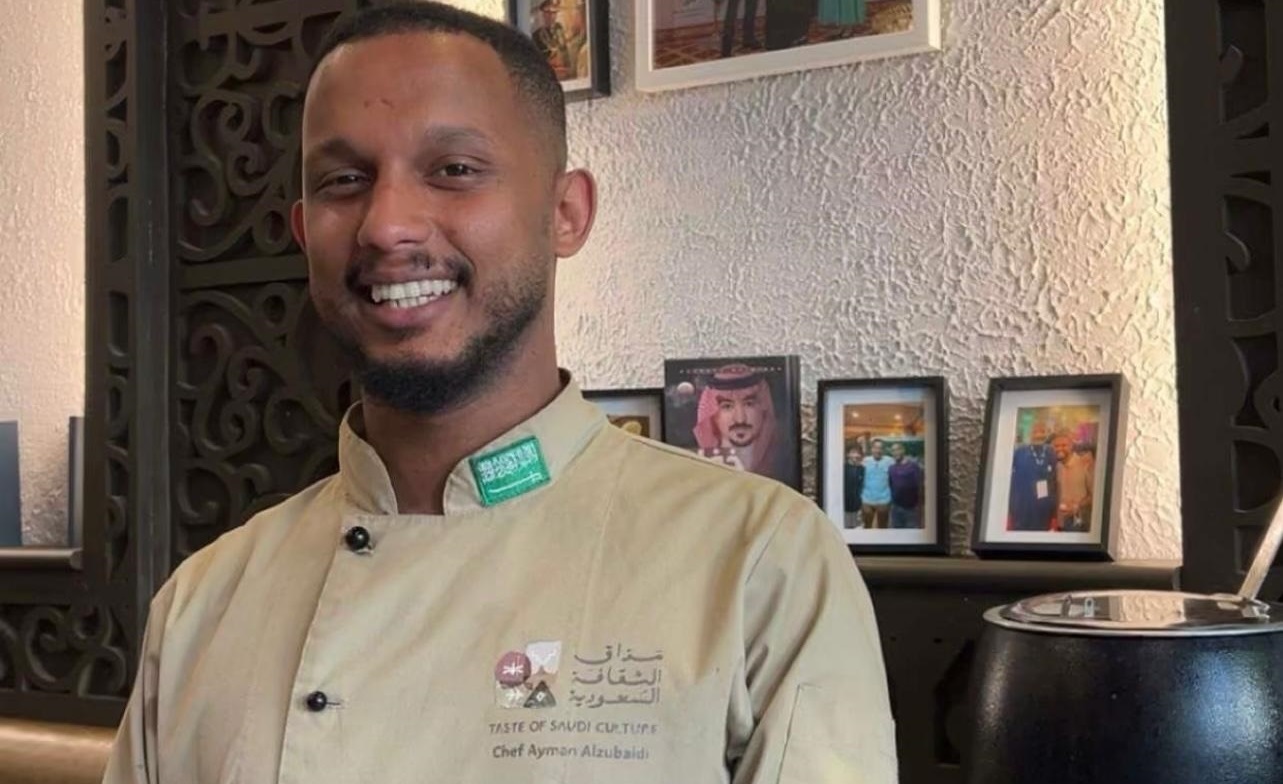
In HN’s exclusive interview, chef Ayman Al Zubaidi recounts his journey from home kitchen entrepreneur to international restaurateur and explains why Saudi gastronomy is gaining global recognition.
Tell us more about yourself.
I began my journey by preparing and selling dishes from my home, gradually building a loyal following that believed in my concept and passion. Over time, I expanded into catering for the Royal Saudi Embassy and Saudi Aramco, which strengthened my commitment to representing Saudi hospitality at the highest level.
I later founded Hijazi Corner in London, recognized as the first Saudi restaurant in the United Kingdom, where I showcase authentic regional Saudi dishes with contemporary presentation. My work reflects a clear mission to elevate Saudi gastronomy internationally while preserving its identity, generosity and cultural storytelling.
What does luxury on a plate mean in 2026?
Luxury in 2026 is no longer defined by expensive ingredients, but by authenticity, traceability and emotional connection. For me, true luxury is serving a dish that tells a story of land, culture and hospitality. For example, a perfectly cooked Saudi kabsa made with care and heritage spices reflects respect for tradition. Indeed, it can be more luxurious than any imported delicacy. Today, guests seek meaning, not just indulgence. Therefore, luxury is defined by transparency, craftsmanship and genuine hospitality. It is the feeling of being truly welcomed at the table, which lies at the heart of Saudi hospitality.
Is the modern chef still an artisan or increasingly a brand architect?
The modern chef must be both. Craftsmanship remains the foundation, because without skill, there is no credibility. However, today chefs also carry the responsibility of shaping narratives and preserving culture. Moreover, they build platforms that outlive a single restaurant. I see myself not only as a cook, but also as a cultural ambassador for Saudi cuisine. Furthermore, building a brand is not about marketing. Rather, it is about consistency of values, identity and experience. So, today’s chef must design trust, memory and meaning, not just plates.
Are we entering a post-fusion era, where identity matters more than experimentation?
Yes, I believe diners are moving beyond fusion for the sake of novelty. Today, people crave authenticity and cultural depth. Although experimentation remains important, it must come from understanding roots, not erasing them. Therefore, my approach is to present Saudi cuisine with respect for its origins. At the same time, I refine techniques for a global audience. Moreover, identity creates emotional connection and connection builds loyalty. Ultimately, the future of gastronomy belongs to cuisines that know who they are and tell their stories with confidence.