
Cuisine meets culture
Lebanese cuisine is undoubtedly a boundless playground for a chef. What draws me to it is its profound richness and heritage—thousands of years of history plated with vibrance. Indeed, it isn’t just food, but rather, a living culture. The ingredients, from sun-drenched sumac to golden olive oils, for example, offer endless opportunities for discovery. Undoubtedly, I see a bright future here because the cuisine is incredibly versatile, balancing ancient techniques with modern refinement. Its complexity lies in its simplicity, letting the soul of the produce speak. For me, Lebanese flavors are a bridge between a glorious past and an innovative culinary future.
Less is more
If I were to adopt a second nationality, it would be Japanese without hesitation. As a chef, I deeply admire their unparalleled respect for ingredients and the meditative focus they bring to the kitchen. The Japanese culinary philosophy is a masterclass in “less is more.” Every slice of a knife, for instance, is intentional. Their culture is built on a foundation of discipline and humility. Moreover, the way their chefs are raised to seek perfection, or kaizen, is truly inspiring. To possess that cultural DNA would be the ultimate gift for my culinary evolution.
Cooking with humility
In a world that often prizes ego and status, the life of Pope John Paul II was a profound lesson in humility and grace. Therefore, I would have chosen to cook for him, above all others, if asked and given the opportunity. As a chef, we often cook for the elite. However, preparing a meal for someone of his spiritual stature would have been a grounding, transformative experience. I wouldn’t have aimed for opulence. Instead, I would have served something simple and honest that reflects the earth.
Craft over followers
To the aspiring chefs of tomorrow, my message is indeed simple. Lace up your boots and prepare for hard work. Additionally, you’ll need perseverance and passion. The kitchen is a demanding stage and social media can be a deceptive lens. Moreover, don’t be fooled either by the filtered “fame” you see online. Ultimately, true mastery isn’t found in a viral post. Instead, it’s in the heat of the line and the repetition of the craft. Put your head down, respect the produce and hone your skills with discipline. Focus on the quality of your work rather than the quantity of your followers. As a result, success will follow.
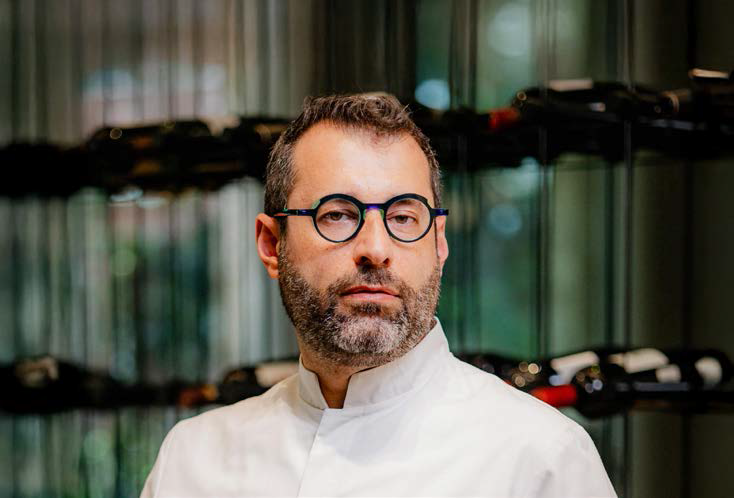
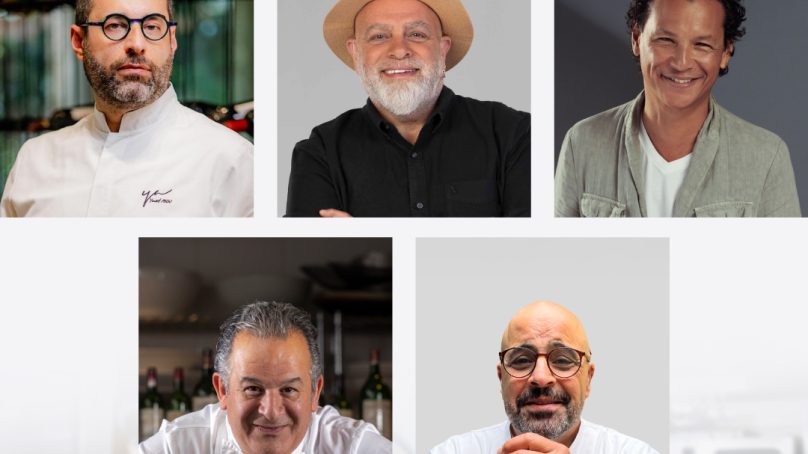
YOUSSEF AKIKI
Chef and owner brût Restaurant Kitchen Backstage
youssefakiki.com
brut.youssefakiki.com
@chefyoussefakiki
Built around balance
A typical day for me starts with gratitude. Indeed, I wake up energized and happy to be alive, knowing that health is our most important asset. I begin by executing the goals I set the night before, focusing on making progress, even if it’s just one meaningful achievement. Throughout the day, I aim to maintain a balance between work, family, physical activity and personal well-being. This is because ultimately, success means nothing without that balance.
Mentorship as a mindset
I don’t limit mentorship to just one person. In fact, anyone I meet can be a mentor if they teach me something or inspire me. I believe in learning from every experience and every individual, whether it’s a renowned chef or someone I encounter in daily life. Overall, that mindset has shaped my growth the most.
Seek out the science
My advice to the next generation is to truly invest in understanding the science behind food and ingredients. It’s the foundation of everything we create. Seek out internships with great chefs and established restaurants from different nationalities to broaden your perspective and learn diverse techniques. Moreover, don’t be afraid to take risks or experiment. Let your creativity guide you. At the same time, however, stay disciplined and always be honest in your work. Eventually, that’s what builds lasting success.
The steps to success
The philosophy I go by in life is simple: what one person can achieve, another can too. In the culinary world, certainly, this means discipline, curiosity and persistence matter more than talent alone. In the end, greatness is something you build—not something you’re born with.
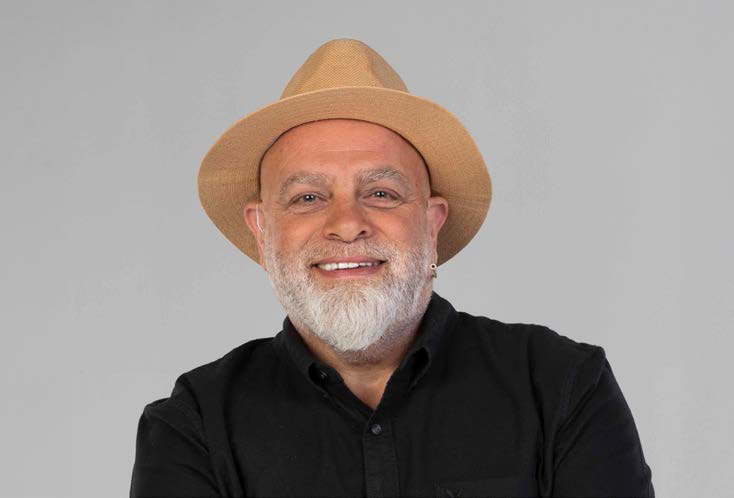
JOE BARZA
Culinary consultant and owner
Joe Barza Culinary Consultancy
joebarza.com
@chefjoebarza
From finance to food
I became a chef because even though I have a BA in Finance and Economics, I have zero passion for making rich people richer. After working on the floor of the NYSE, research analyst and hedge funds,
I hated it. So I flipped the question and treated life like an algebraic equation: eliminate everything you don’t want to do. I stumbled on food. I was always interested in it, from my grandmas’ cooking to dining in San Francisco’s best restaurants, through travel. The equation led me here. I enjoy feeding people, stray cats, street dogs, birds—whatever shows up. That feeling of giving, sharing, brings me joy and that is a dividend no hedge fund can ever match. Success to me is spending your time doing something that you love.
An appreciative audience
Many people have shaped my attitude at different stages of my life. My family, for example. Also, Hubert Keller, who gave me my first major break. I was unqualified, with no professional kitchen experience, in what was a top French restaurant in San Francisco. I’ve since cooked for plenty of famous people, from Bob Dylan to Hillary and Bill Clinton. I give all of myself because I cook out of love. However, cooking
for family, friends and people who truly appreciate food is the most gratifying.
Respecting ingredients
My ethnicity, upbringing and diverse background have given me a very open mind. I’m Chinese and Egyptian, French-trained, from San Francisco, and well-traveled. As a result, I’ve learned the authentic tastes of cuisines across the globe. I might be known for my Vietnamese food in some locations or for fusing different cuisines elsewhere. Importantly, I pride myself on respecting original dishes while borrowing techniques or ingredients from other cultures. I’m mostly simplistic in my approach. That’s easy. The ego, however, is what makes it hard.
A mindful approach
For me, being a chef is about cooking food, managing a kitchen and building a team. Equally, it’s about inspiring others and imparting your values—feeding a community, providing nutritious and emotional comfort. However, building that community through ethical sourcing and reducing food waste is also critical. Food is power and one should be mindful of that. Undoubtedly, supporting local farmers and cooking seasonal goods are part of the solution to the climate crisis we face.
Stay curious, stay humble
There are no shortcuts in this industry. My advice is to find passion in the most mundane tasks. Additionally, think of creativity and originality as salt: too little, you’re flat; too much and you’ve ruined the dish. Moreover, apply kaizen, the Japanese philosophy of continuous improvement, to everything you do. Remember, too, that we are only as good as the last meal we cooked. In this profession, it’s crucial to never stop learning.
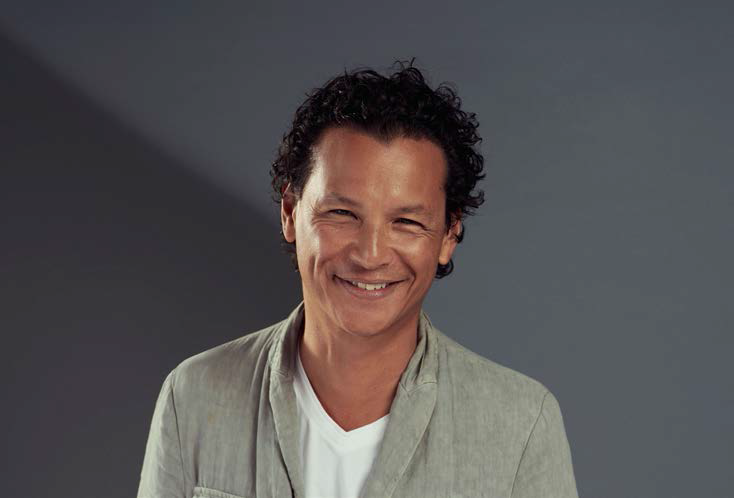
BOBBY CHINN
Celebrity chef and judge, MBC’s Top Chef
bobbychinn.com
@bobbychinn
Connecting through food
What defines my work is immersion. Through the Kitchen Table Experience, I invite people into my space not just to dine, but to connect. Crucially, this is not about performance, but about presence. As a result, guests become part of the process and part of the story. That level of openness in my cooking is rare in this industry. However, for me, it’s where food becomes something more meaningful than what’s on the plate.
The great outdoors
If I could cook for one person, it would be Francis Mallmann. His connection to fire and the open-air cooking process resonates with me. Indeed, I would definitely take it outside. No kitchen, just flame, wood and the elements, working with the earth’s raw materials in a beautiful, natural setting. A leg of goat meat, for example, slow-grilled, over oak and olive wood. I would infuse it with Middle Eastern herbs and spices, alongside raw goat tartare prepared like kibbeh. Overall, it would be about cooking something that reflects what he stands for, while bringing a sense of where I come from into the plate. Importantly, it would be simple, grounded in earth and culturally rooted.
Visibility as a tool
Fame without substance doesn’t last. Tellingly, social media can amplify what you do, but it cannot replace it. Ultimately, what remains is the experience you create, the consistency of your work and the trust you build over time. If the foundation is strong, visibility becomes a tool, not the goal.
Beyond borders
Currently, I’m focusing on projects that allow Lebanese cuisine and identity to travel. This could be through partnerships, for example, curated experiences abroad or new ventures. The goal is not just expansion, however, but rather to create something that resonates culturally wherever it goes.
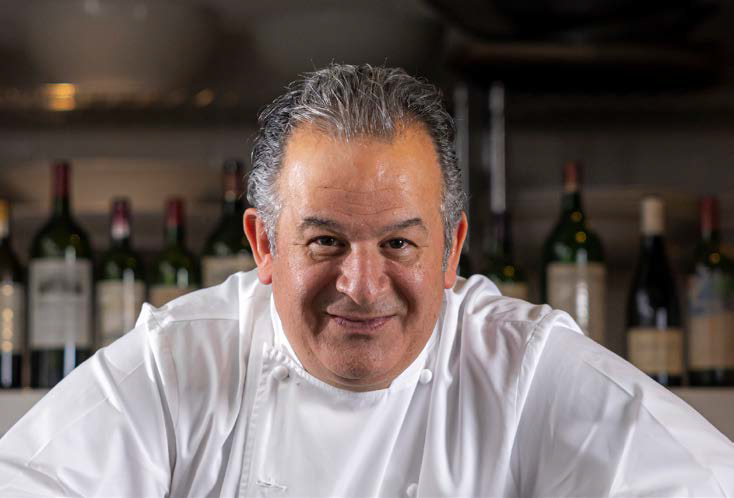
HUSSEIN HADID
Chef, caterer, restaurateur and food consultant
The HH Kitchen
husseinhadid.com
@husseinhadid
White jacket magic
At the beginning, being a chef felt like a game. You prepare your station, for example, work extremely hard on the line and then receive instant feedback and appreciation. That immediate reward is powerful. What excites me most, however, is the creativity in the kitchen and the endless cycle of learning. Today, we are open to the entire world. Moreover, there’s the opportunity to be your own boss. That was very appealing to me. And of course, the white jacket has its own magic. The respect you earn today as a chef is truly remarkable. If I hadn’t become a chef, I would still be a pilot. Certainly, the feeling you get when flying your own airplane is unlike anything else.
Two turning points
I experienced two major turning points in my life. The first was my mentor and friend, the late chef Byron Chorus, who truly believed in me. He gave me confidence, suggesting which books to read, for example, which chefs to follow and how to grow. The second was Youssef El Deeb, the founder of Fatafeat. He recognized my passion and my desire to give back. Moreover, he launched my television career. Over the course of 20 years, we produced numerous shows together, so I’m truly grateful to him.
Routine and rigor
Routine is key in my work. I start my day early. By 7 a.m., I’m at the gym, finishing my workout around 9:30 a.m. Then, I head to the restaurant. I begin by checking the pastry section, before moving to the main kitchen to inspect the coolers. After that, I go to my office to review reports, income and customer feedback. If there’s a complaint, I call the customer personally to understand what happened. Crucially, we have a clear policy for follow-ups. If everything is running smoothly, I put on my jacket, grab a coffee and join the team on the floor. From there, we get to work.
Positivity and perspective
We live in a world driven by social media and major awards. Undoubtedly, they’ve become powerful marketing tools. The more people talk about you, for example, the more successful you appear. Positive attention brings more customers, more opportunities and greater financial success. For me, work is a lifestyle. I genuinely love what I do. Of course, awards and recognition matter. However, it’s equally important to give yourself a break and focus on your immediate circle. “Smile at the world, and the world will smile back at you” is my philosophy. It’s simple: if you want positivity, you have to give it. If you need help, you have to help others first. Ultimately, it’s a straightforward way of living. So, keep smiling.
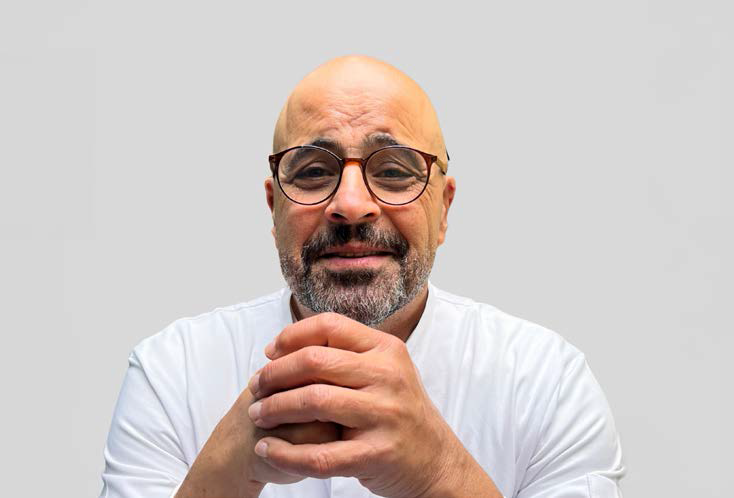
TAREK IBRAHIM
CEO and founder
Umami Restaurants
Certified masterchef, World Association
ambassador, Meat and Livestock Australia
@cheftarekibrahim, @umami.eg,
@aussiebeeflambme
For more articles, click here


About author

Rita Ghantous
Rita Ghantous is a hospitality aficionado and a passionate writer with over 9 years’ experience in journalism and 5 years experience in the hospitality sector. Her passion for the performance arts and writing, started early. At 10 years old she was praised for her solo performance of the Beatles song “All My Love” accompanied by a guitarist, and was approached by a French talent scout during her school play. However, her love for writing was stronger. Fresh out of school, she became a freelance journalist for Noun Magazine and was awarded the Silver Award Cup for Outstanding Poetry, by The International Library of Poetry (Washington DC). She studied Business Management and earned a Masters degree from Saint Joseph University (USJ), her thesis was published in the Proche-Orient, Études en Management book. She then pursued a career in the hospitality industry but didn’t give up writing, that is why she launched the Four Points by Sheraton Le Verdun Newsletter. Her love for the industry and journalism led her to Hospitality Services - the organizers of the HORECA trade show in Lebanon, Saudi Arabia, Kuwait and Jordan, as well as Salon Du Chocolat, Beirut Cooking Festival, Whisky Live and other regional shows. She is currently the Publications Executive of Hospitality News Middle East, Taste & Flavors and Lebanon Traveler. It is with ultimate devotion for her magazines that she demonstrates her hospitality savoir-faire.