
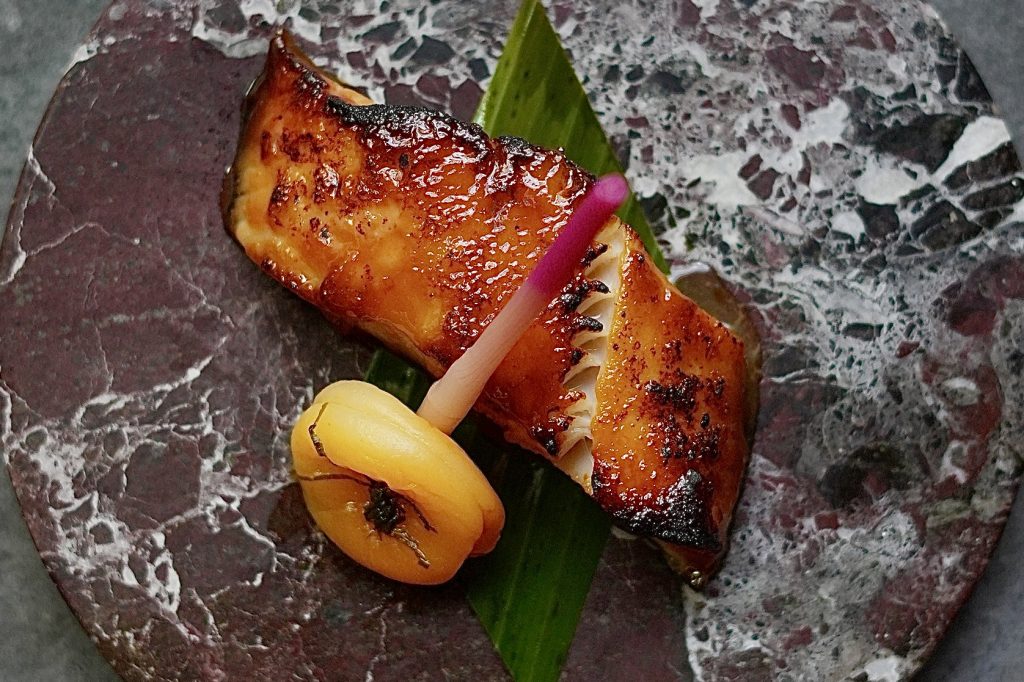


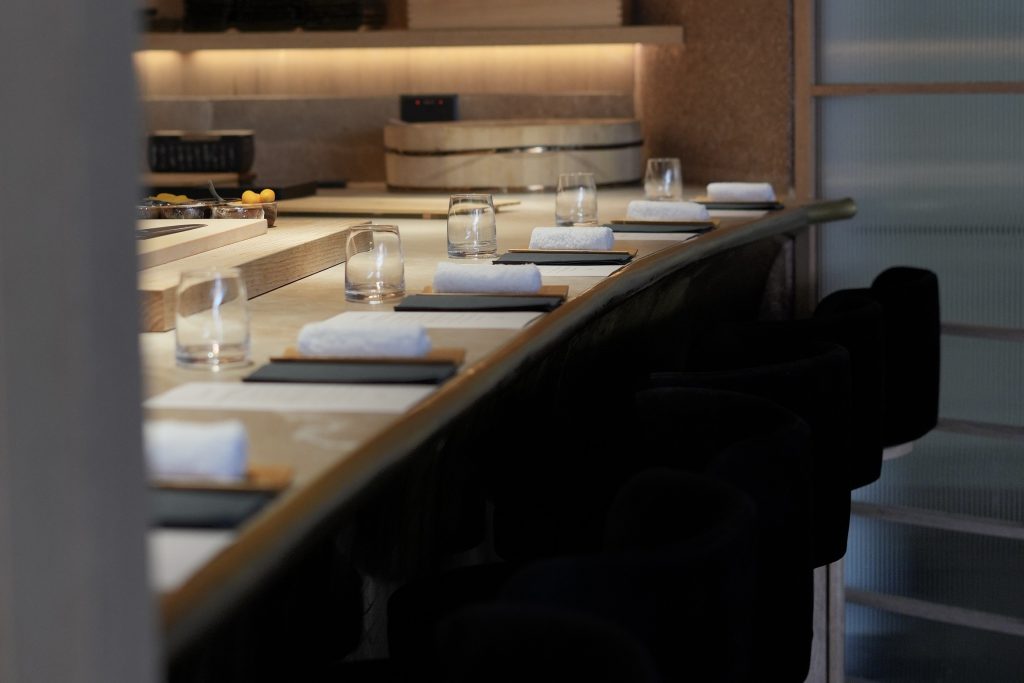
As the Middle East’s dining scene evolves rapidly, ambitious restaurants are moving beyond imitation to establish distinctive culinary identities. In Amman, Yūgen has emerged as a leading example of this transformation, redefining contemporary Japanese dining through thoughtful innovation.
FigTree Ventures Amman
Developed by FigTree Ventures, a Jordanian F&B company established in 2012, Yūgen represents the group’s latest and most ambitious venture. Today, FigTree Ventures owns and operates 14 outlets across Amman and has successfully created 11 distinct hospitality concepts. Driven by a passion for creating meaningful experiences, the company combines exceptional flavors with purpose, authenticity and memorable guest engagement. Indeed, FigTree Ventures has earned a reputation for innovation and excellence through concepts that consistently elevate Jordan’s hospitality landscape. Its acclaimed concept, Bar in the Back, appeared on the Middle East and North Africa’s 50 Best Restaurants list. The venue maintained this recognition for four consecutive years beginning in 2022, highlighting the company’s commitment to excellence. At Yūgen, this philosophy takes shape through contemporary Japanese dining rooted in precision, premium sourcing and seasonality.
Japanese cuisine
While Japanese cuisine is often associated internationally with imported luxury ingredients, its true foundation remains considerably more nuanced. At its core, Japanese cooking emphasizes seasonality, balance, restraint and an unwavering respect for ingredients at their natural peak. Consequently, this philosophy allows Japanese cuisine to travel successfully across cultures while preserving its authenticity and culinary integrity.
The Nikkei influence
One of the clearest examples remains Nobu Matsuhisa’s pioneering role in popularizing Nikkei cuisine across international dining markets. While working in Peru, Nobu avoided recreating Japan ingredient by ingredient and instead embraced exceptional local produce available. Rather, he utilized local citrus, peppers and flavors while preserving the techniques and principles defining Japanese cuisine. As a result, the outcome was not compromise but a globally influential cuisine honoring Japanese tradition and Peruvian terroir.
Local Expression
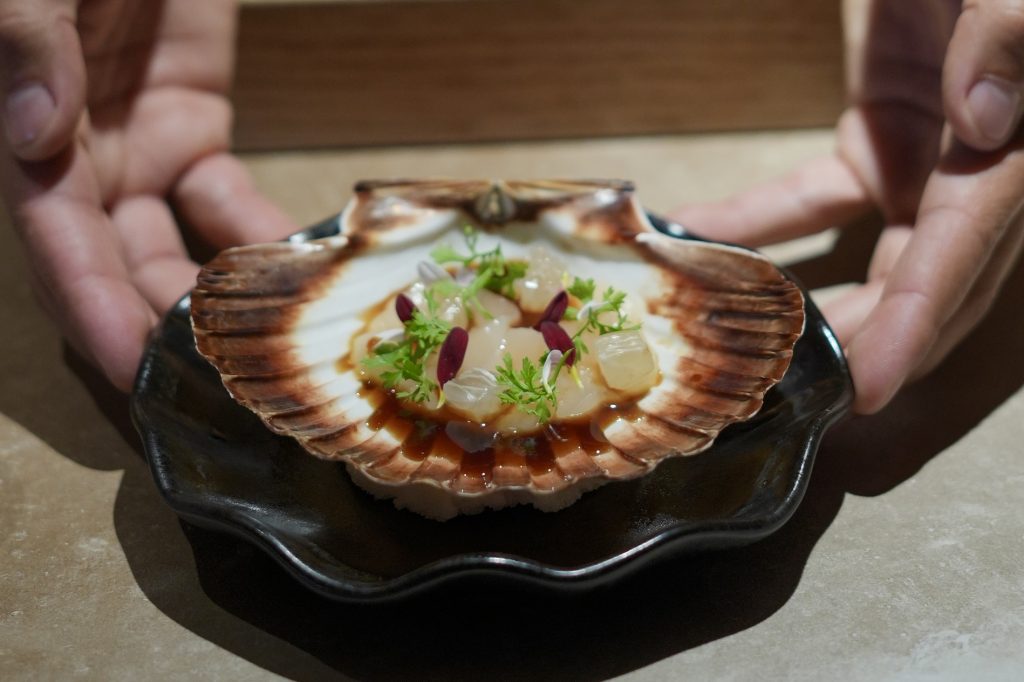
At Yūgen, a similar philosophy informs the restaurant’s culinary approach, creating meaningful connections between Japanese traditions and Jordan. Rather than importing ingredients unnecessarily for replication, the restaurant explores how Jordanian and Levantine produce can contribute thoughtfully. Seasonal citrus, regional herbs, local vegetables, olive oils and carefully selected ingredients occasionally appear throughout the evolving menu. However, these ingredients are not intended as fusion elements designed to dominate the experience or overshadow Japanese traditions. Instead, they serve as subtle supporting components that enhance freshness, aroma, acidity and overall balance throughout dishes.
Seasonality
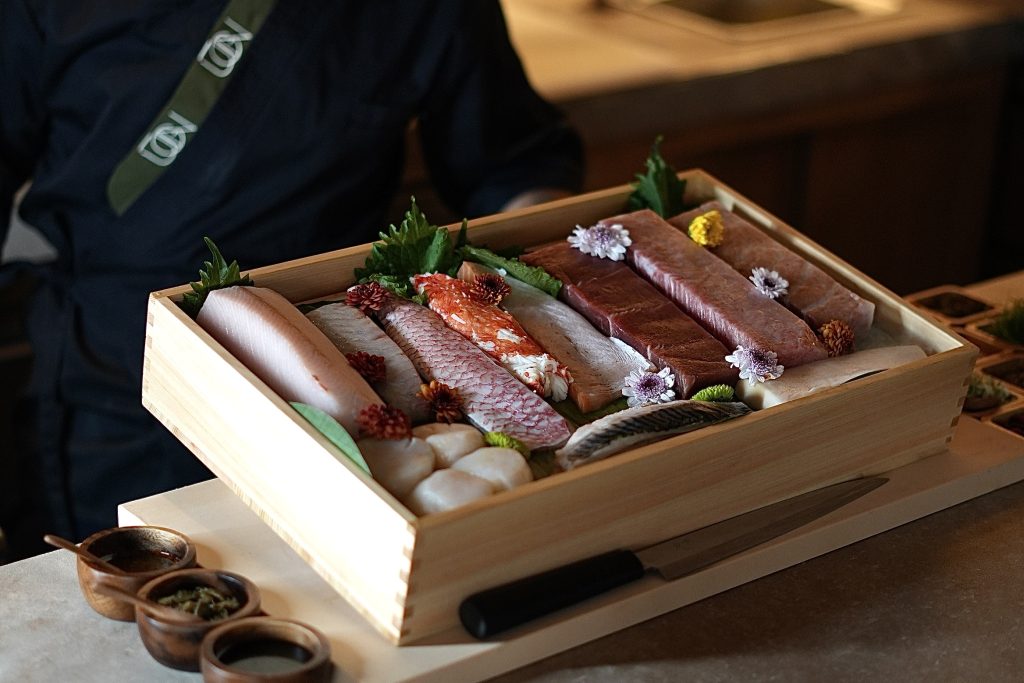
Seasonality lies at the heart of Japanese cuisine, where menus reflect nature’s rhythms and celebrate ingredients at their peak. Accordingly, Yūgen embraces this philosophy through evolving seasonal offerings that keep the dining experience dynamic and relevant. As part of this commitment, the restaurant continuously adapts its menu to showcase the finest available ingredients year-round. Most recently, this includes incorporating fresh fish sourced from the Red Sea through Jordan’s southern city of Aqaba. This approach highlights exceptional local seafood while remaining faithful to Japanese principles that prioritize ingredient quality above all else. By honoring seasonality in this manner, Yūgen creates experiences that feel authentically Japanese while remaining locally connected.
The experience
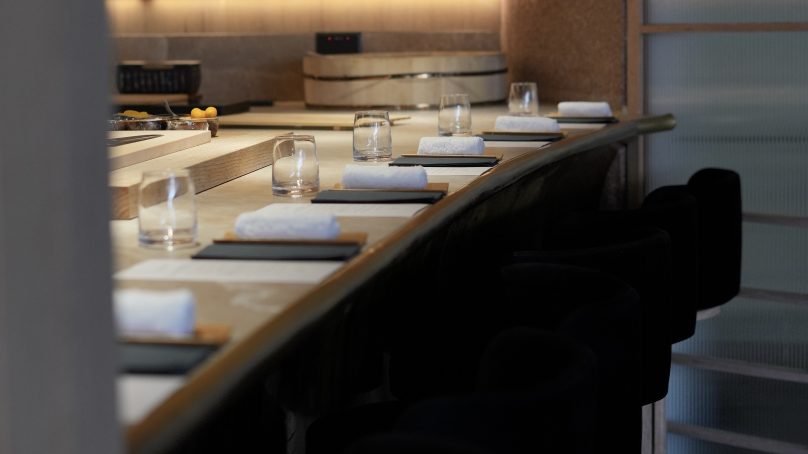
The distinction between adaptation and imitation remains important when defining contemporary Japanese dining experiences outside their country. Yūgen offers an intimate and highly curated experience centered on the craftsmanship, discipline and precision of Japanese cuisine. The restaurant accommodates only 26 guests, creating an atmosphere that prioritizes personalized hospitality and exceptional attention to detail. The space includes 20 seats dedicated to the à la carte menu and a 6-seat omakase counter. Here, guests embark on a chef-led tasting journey showcasing the finest seasonal ingredients available at any moment. With two daily omakase seatings, Yūgen balances accessibility and exclusivity while accommodating diverse dining preferences effectively. Guests may choose the flexibility of à la carte dining or the immersion of a traditional omakase experience. Across both formats, the menu reflects commitments to exceptional seafood, meticulous technique and seasonally driven culinary evolution.
Precision and restraint
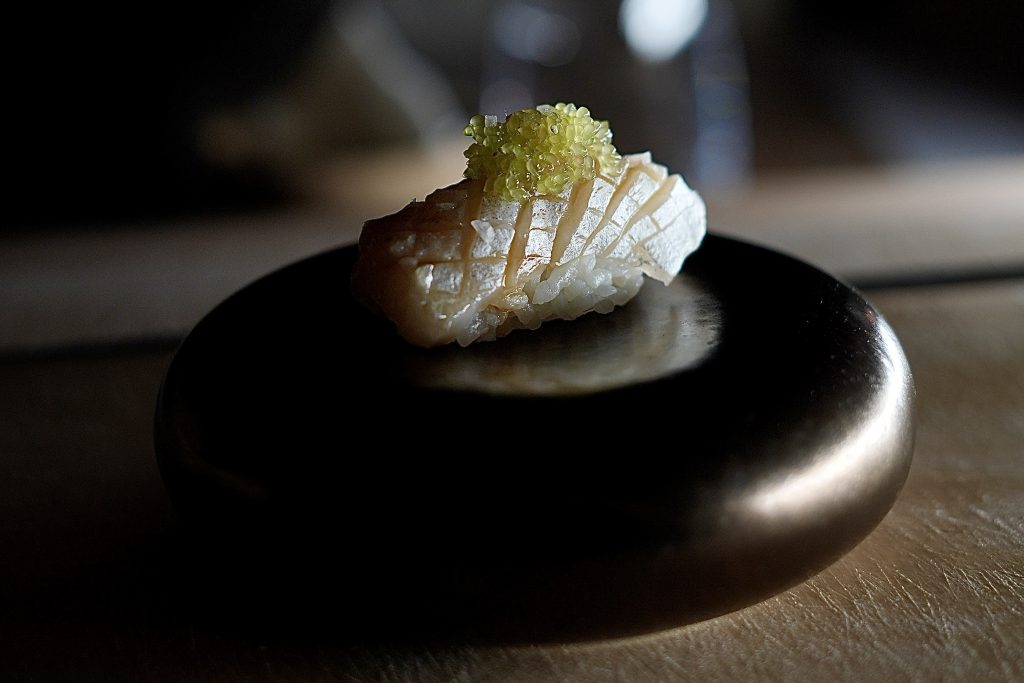
At Yūgen, preserving the integrity of Japanese cuisine remains entirely non-negotiable across every aspect of the experience. The fish consistently remains the focal point, while rice receives the precision expected within serious sushi establishments. Moreover, chefs apply acidity, seasoning and garnishes with restraint, ensuring each element serves a clear culinary purpose. Every ingredient contributes harmony and balance, enhancing the overall experience without creating unnecessary distraction or excess.
Defining authenticity
This disciplined approach reflects a broader understanding that increasingly shapes modern Japanese dining experiences throughout international markets. Today, authenticity is achieved not through importing every ingredient but through respecting the philosophy underlying the cuisine. For Yūgen, this means creating experiences that remain deeply connected to Jordan while honoring Japanese culinary traditions.
Looking ahead
The result is not a fusion restaurant in the conventional sense but a carefully shaped contemporary Japanese destination. In fact, Yūgen reflects both the refinement of omakase culture and the richness of the Levant’s agricultural identity. As Jordan’s hospitality sector continues to mature, concepts like Yūgen demonstrate how regional restaurants can compete internationally. They succeed not by copying global trends but by creating experiences that are rigorous, culturally grounded and distinctive.