When we talk about Spanish cuisine, we talk about history, ancestors, traditions and a deep respect for regional ingredients. Ours is, consequently, a culinary identity shaped as much by geography and climate as by centuries of conquest and exchange. It is, in turn, a living map of that history, evolving from a survivalist diet into a global leader in avant-garde gastronomy.
A rich culinary history
The foundation of our cuisine was laid by the Romans, who introduced large-scale olive oil production and viticulture. The Moors’ 800-year presence, moreover, brought irrigation, citrus fruits, almonds, saffron and rice: the essential backbone of paella. Significantly, the defining shift came during the Age of Discovery. Explorers, subsequently, returned from the Americas with ingredients that became synonymous with our identity. These included, notably, tomatoes, peppers, chocolate and the humble potato, which eventually gave rise to the iconic tortilla de patatas. In the 20th century, meanwhile, our cuisine moved from regional, rustic kitchens to the global stage. After the post-civil war years, the 1970s saw the birth of Nueva Cocina Vasca (New Basque Cuisine). This, crucially, prioritized fresh, seasonal ingredients over heavy sauces. Momentum peaked with Ferran Adrià and the molecular gastronomy movement, using science to transform textures while keeping traditional flavors intact.
Country-wide contrasts
Spain’s culinary identity stands apart through its hallmark Mediterranean simplicity—prioritizing natural-tasting, high-quality ingredients over complex sauces or heavy seasoning. Our food is, above all, not spicy, unlike many global cuisines. It relies instead on extra virgin olive oil, garlic and pimentón (smoked paprika) for depth. Olive oil is undoubtedly the lifeblood of our kitchen, distinguishing us sharply from French or Northern European cooking, which favors butter, while American styles lean on seed oils.
Our seafood culture is equally intense. Spain is one of the world’s top fish consumers, with staples like octopus and salt cod featuring across every region. Another key influence is our large geographical size. Indeed, the weather determines everything when it comes to food. Catalonia and Galicia, for instance, eat so differently that they could be two separate countries. The Atlantic delivers turbot, clams, razor clams and mussels, while the Mediterranean brings red prawns, lobster and langouste. Cadiz, in the south, is renowned for tuna. Products become plates, and that is what makes our cuisine so gloriously diverse.
Food, family and the art of eating well
In Spain, food is rarely just about sustenance: it is the glue that holds our social life together. At the heart of this culture is sobremesa, the period after the meal where we stay at the table for hours to talk, laugh, digest, drink and relax. Unsurprisingly, leaving the moment the plate is empty is considered impolite. The conversation is just as vital as the food itself. Tapas and el tapeo are equally integral to our social structure. Rather than staying in one spot, we move from bar to bar, sharing small plates, encouraging movement, variety and constant interaction. This reflects a communal mindset where sharing, whether large pans of paella on Sundays or croquetas with friends, is simply the norm.
The social side takes different forms across our regions. In Andalusia, for example, we share glasses of Jerez wine alongside Iberian ham. Elsewhere, in San Sebastián’s old town, we stand at the bar with txakoli white wine and pintxos. Despite the global rise of fast food, Spain maintains a rhythm all its own. Late lunches at 2 p.m. and dinners starting at 9 p.m. or later reflect a work-life balance that puts family and friends firmly at the center of the table.
Spanish cooking’s building blocks
Our cuisine is celebrated for its simplicity, relying on high-quality ingredients and time-honored techniques to maximize flavor. Our kitchen is built on extra virgin olive oil: the primary fat for everything from frying to dressing. Other essentials are garlic, onions and a handful of key spices. Chief among these is pimentón, available in sweet (dulce), spicy (picante) and smoked varieties, giving dishes like chorizo their signature color and warmth. Saffron, meanwhile, known as “red gold,” provides the iconic golden hue and earthy aroma of paella. Parsley, rosemary, thyme, oregano and bay leaves, equally, season our meats and broths throughout.
Our traditional cooking methods include:
• Sofrito (lightly fried): garlic, onions and tomatoes gently sautéed in olive oil to create a flavor base for stews and rice dishes
• Guisado (slow cooking): hearty stews like cocido or fabada simmered for hours over low heat until flavors meld and meats become tender
• A la parrilla and asado (grilling and roasting): meats and fresh seafood prepared over open flames or in wood-fired ovens (hornos de leña), imparting a distinct smokiness
• Curing and preserving: air-drying meats (jamón) and pickling vegetables in vinegar or olive oil (escabeche) for both preservation and concentrated flavor.
A gastronomic awakening
Spanish cuisine in 2026 is undergoing what I would call a renaissance of truth. It is moving, decisively, away from over-engineered molecular techniques toward ancestral methods and hyper-local sustainability. Consequently, chefs are returning to the primitive, using open-fire grilling, smoking and slow-cooking over charcoal to let the raw quality of ingredients speak for themselves. Fermentation, similarly, has moved from trend to core pillar. Chefs now study it as both a cultural and biological practice to create complex flavors in high-end kitchens. Meanwhile, AI is pushing the frontiers of cuisine, developing innovative food pairings and plant-based alternatives to traditional sauces such as mayonnaise and alioli.
Focus on experimentation
New ingredients, furthermore, are reshaping our menus, with traditional dishes like paella being reinvented with quinoa or black rice. Tellingly, health-conscious diners are driving this demand. In Galicia, for instance, pumpkin-based chorizo offers a meat-free alternative that retains the classic smoky character. Smaller, provenance-driven ingredients are gaining ground too. Among them are zamburiñas, the tiny Galician scallops that celebrate quality over size. Pistachio, meanwhile, has become the defining ingredient of the moment in local bakeries and confectioneries.
The road to 2030
Underpinning all of this is a commitment to circularity. Circular gastronomy, therefore, is becoming standard practice rather than a niche pursuit—fruit peels used for broths, chickpea skins for hummus, leftover bread for crumbs. Restaurants, additionally, are partnering with small local producers to ensure traceability and reduce carbon footprints. Catalonia’s designation as World Region of Gastronomy 2025 and Jerez as Spanish Capital of Gastronomy 2026 are significant. Both signal a broader movement, celebrating regional food cultures on the global stage. By 2030, precision nutrition, biotechnology and hyper-local production are set to transform the sector further still. Their impact will, ultimately, confirm Spanish gastronomy’s place as one of the world’s most dynamic, endlessly inventive culinary forces.
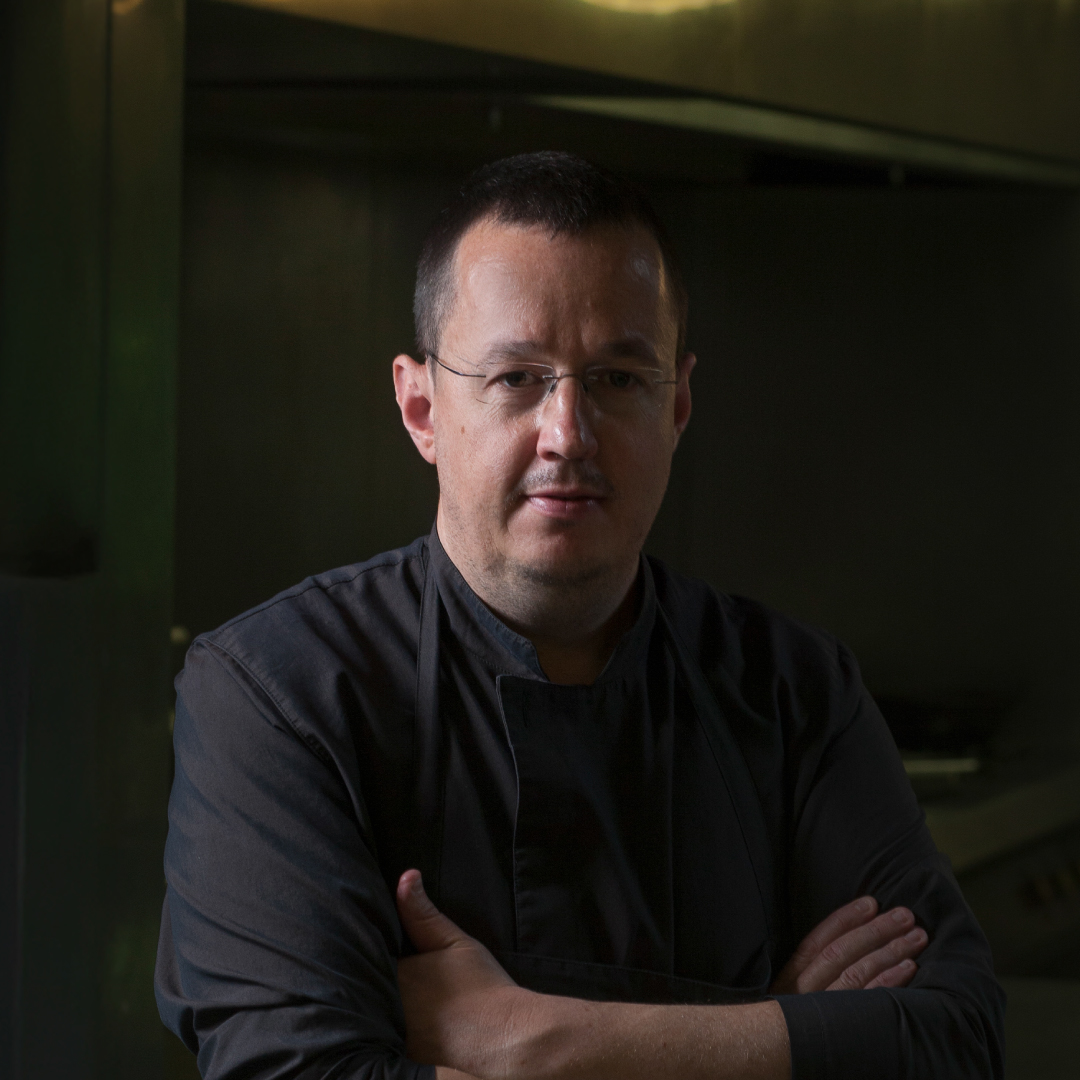
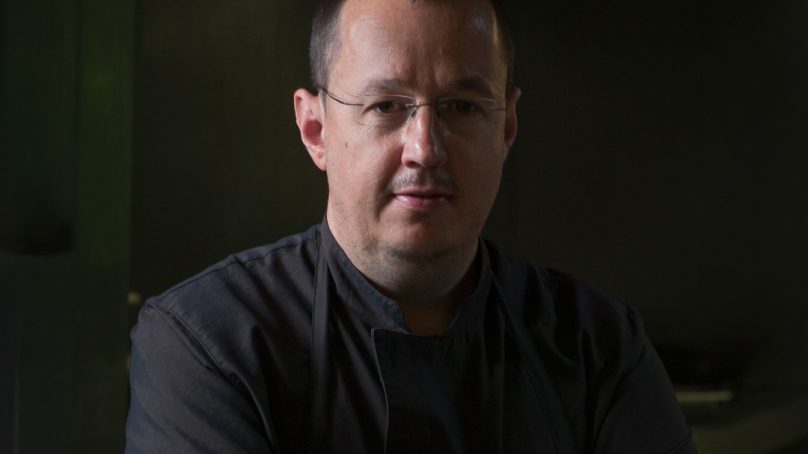
Pere Planagumà Sala,
chef, producer, lecturer,
@pereplanagumasala
gastroculturamediterranea.com