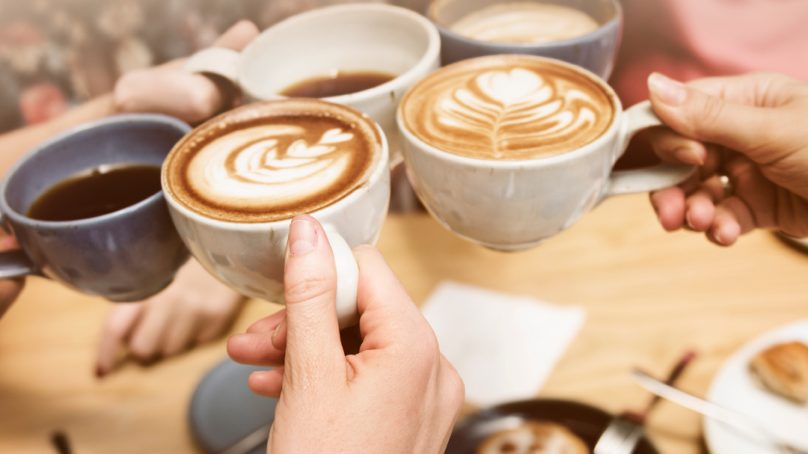
As a native Australian, from a country renowned for some of the best coffee culture in the world, I grew up knowing that coffee is about way more than the drink itself. Extending far beyond the cup, coffee is about ritual and connection. In addition, it’s about community. From the corner cafe, where everyone knows your name, to the staff who smile when you walk through the door, the personal touch is what makes the difference. Indeed, when the barista remembers exactly how you like your flat white, it confirms what coffee has always been: a daily rhythm that brings people together.
Across the GCC region, hospitality has been cultural long before it was commercial. Tellingly, a majlis was never about the coffee alone. Rather, it was about dialogue, storytelling, laughter, debate and community. Indeed, walking into a regional cafe on any given morning, you’ll see freelancers typing on laptops, friends laughing over lattes and a carefully curated playlist filling the space.
A welcoming ambiance
Cafes are, in many ways, the modern majlis. They have evolved into spaces where life happens, ideas are exchanged and connections are made. Admittedly, the setting may be different. For example, they are likely to feature polished concrete floors instead of woven rugs and playlists instead of silence. However, the intention is the same: to create a welcoming environment where people feel seen, heard and connected.
From majlis to modern cafe
I’ve always been passionate about placing neighborhoods at the heart of our venues. Over time, it became clear that what our guests were seeking was far more than good food or coffee. Rather, it was a place to belong. Coffee shops, more than any other outlets, have evolved into lifestyle spaces. Significantly, they are no longer just pit stops for caffeine. They are meeting rooms without booking systems, for example, offices without walls, pitch spaces, therapy corners and creative studios. There’s a reason why our latest opening, The Office, in Media One Hotel, has the mantra “connect, chill, repeat.”
The experiential shift
For hospitality owners, consequently, this requires a shift in thinking. We are not just selecting beans. Instead, we are designing experiences. Every detail matters. Lighting shapes how long someone stays, for instance. Equally, music sets the tone and pace. Table spacing influences intimacy and conversation. Even the scent in the room affects how people remember their time with us.
Notably, in the GCC, where competition is intense, product parity is real. Many places serve excellent coffee. As a result, what now sets a brand apart is how it makes people feel. If you’re an operator, you need to ask yourself: are you creating an experiential space where entrepreneurs feel inspired, friends linger comfortably or a solo customer feels genuinely welcomed?
Beyond the transaction
Above all, community engagement is no longer optional. Hosting talks, book clubs, pop-ups and collaborations with local artists signals that your space is alive. Moreover, it sends the message that anyone who walks in is part of something bigger.
The most successful cafes in the region understand a simple truth, which is that they are curating experiential ecosystems. Crucially, they know their morning audience differs from their evening one. Specifically, they recognize that freelancers need Wi-Fi and plug points, but also crave warmth and atmosphere. Beyond this, they see that Gen Z values authenticity, while long-standing residents seek comfort and familiarity.
A culture in full bloom
Coffee culture itself is flourishing, too. Specialty beans, artisanal brewing techniques and an appreciation for origin and craft are no longer niche. Rather, they are central to how people connect and express themselves. From independent roasters to pop-up cafes experimenting with flavors, coffee has become a ritual, a hobby and a social statement.
For us as owners, success is no longer just about spend per head or turnover. Instead, it’s about the time spent in the venues. It’s about repeat visits. It’s about seeing a group choose your space every Thursday because it has become part of their ritual. Certainly, in the case of coffee shops, the cup really is only the beginning.
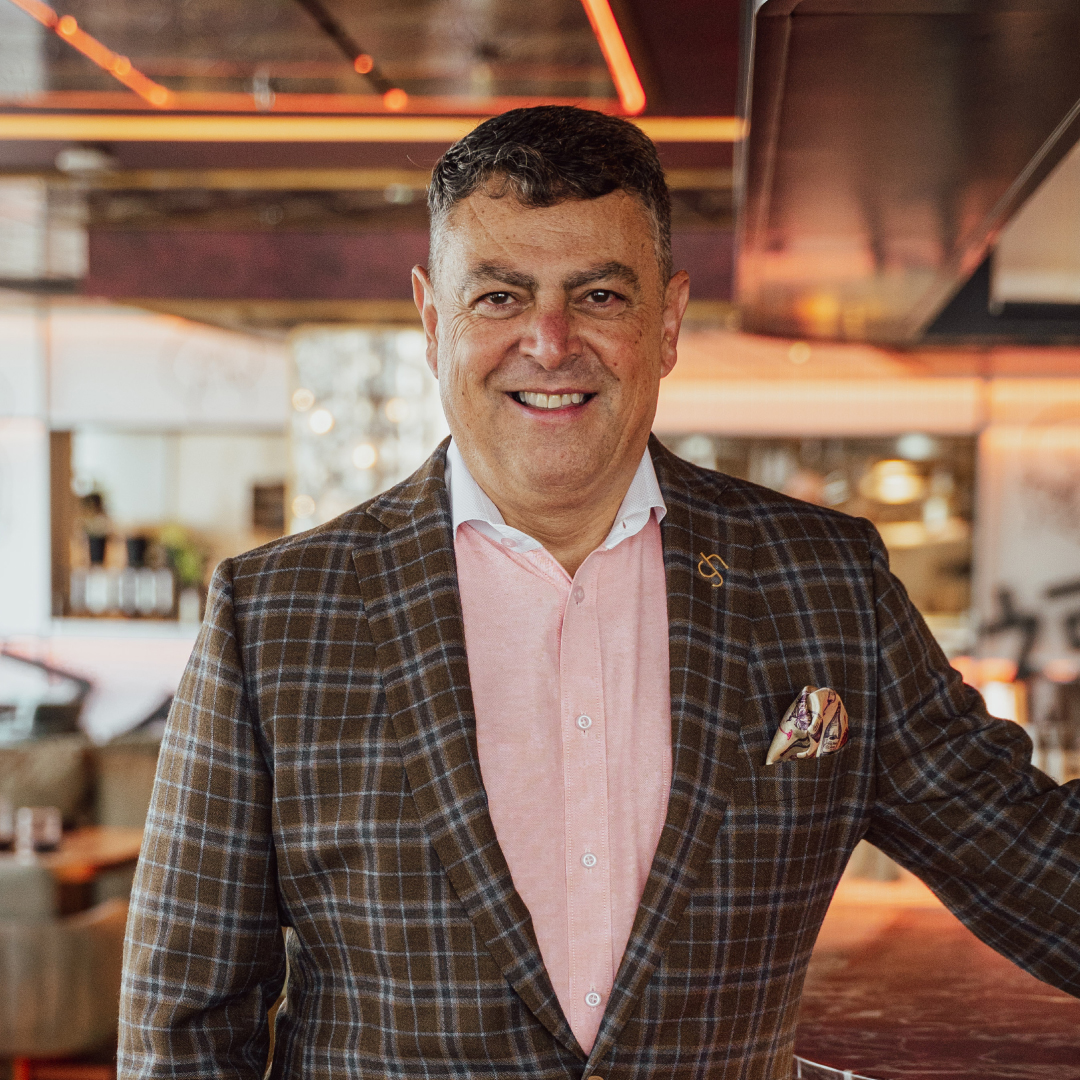
Naim Maadad,
chief executive
and founder of Gates Hospitality
gateshospitality.com
@gateshospitality
@naim.maadad