Across the Middle East, nightlife is undergoing a transformation. Cities such as Dubai, Riyadh, Doha and Beirut are investing heavily in hospitality experiences that rival leading global destinations. Yet, behind
the curated playlists, dramatic lighting and impressive cocktail menus lies a quieter but equally powerful driver of success. This is spatial design.
Today, bar architecture is no longer simply about aesthetics. Instead, it has become a strategic tool that shapes how guests move, interact and ultimately spend. Indeed, for hospitality operators, understanding this relationship between design and behavior has become essential. When thoughtfully executed, bar design does far more than create atmosphere. Beyond this, it influences circulation, extends dwell time, improves operational efficiency and ultimately drives revenue.
The power of positioning
Among the many architectural decisions within a nightlife venue, the placement of the bar remains one of the most influential. Importantly, a centrally positioned bar naturally attracts attention and movement. Visible from the entrance, it signals energy and invites guests to approach, immediately establishing the social rhythm of the space.
Conversely, poorly positioned bars often struggle to activate their surroundings. Guests may bypass them entirely, forcing operators to rely on additional staffing or promotional tactics to generate engagement. In high-investment hospitality markets such as the UAE and Qatar, where every square meter carries significant value, positioning the bar strategically allows it to function as both the social and commercial anchor of the venue.
When sightlines shape spending
What guests see often determines what they order. For example, illuminated back bars, carefully arranged bottle displays and thoughtful shelving design subtly guide purchasing behavior. Similarly, premium spirits placed within clear sightlines naturally attract attention and communicate quality without requiring explicit upselling. In luxury-driven hospitality markets across the region, visual merchandising has become an extension of bar design. Lighting, shelving geometry and bottle placement work together to frame the product offering.
In this way, architecture itself becomes a silent sales tool.
The science behind the bar counter
In essence, behind the elegance of a well-designed bar lies a highly functional workspace. Service efficiency depends heavily on the arrangement of ice wells, refrigeration units, glass storage and preparation surfaces. Crucially, when these elements are poorly positioned, bartenders must take unnecessary steps, slowing down service during peak hours. Equally, in high-volume nightlife environments, even small inefficiencies can significantly affect output. A well-designed counter minimizes movement and allows staff to operate fluidly, increasing the number of drinks served per hour. Operational flow, therefore, is not simply a matter of convenience, but directly influences profitability.
Balancing turnover and comfort
Nightlife venues must strike a delicate balance between guest comfort and operational turnover. For instance, standing-height tables positioned near the bar encourage shorter visits and maintain a dynamic social atmosphere. In contrast, lounge seating areas invite guests to settle in and extend their stay. By combining different seating typologies within a single venue, operators can accommodate a range of guest behaviors. Some guests may stop in for a quick drink, while others remain for the entire evening. Clear circulation paths further support this balance. Importantly, they ensure guests and staff can move comfortably even when the venue reaches full capacity.
The economics of VIP space
VIP seating continues to play a significant role in the financial model of nightlife venues across the Middle East. However, successful premium areas must offer more than exclusivity. They need to balance privacy, visibility and service efficiency. Elevated platforms, semi-private booths and subtle architectural partitions allow VIP guests to feel distinct while remaining connected to the energy of the venue. At the same time, service routes must remain fluid so staff can move easily between sections.
When carefully integrated, VIP zones can significantly increase revenue per square meter while reinforcing the venue’s perception of luxury.
Mobility as a service strategy
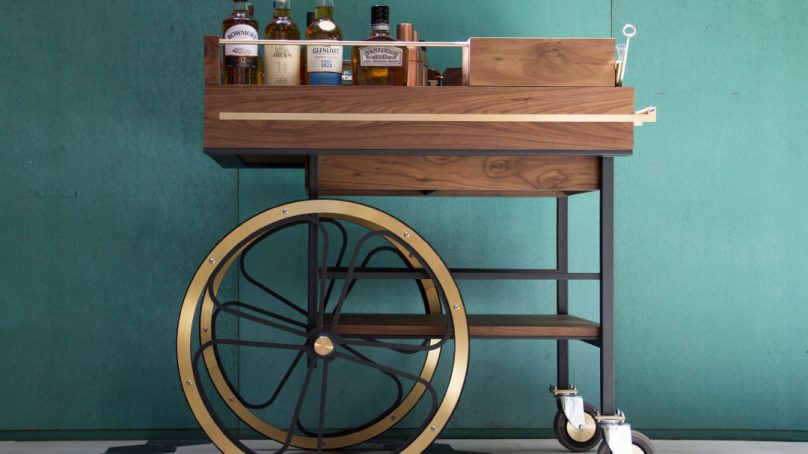
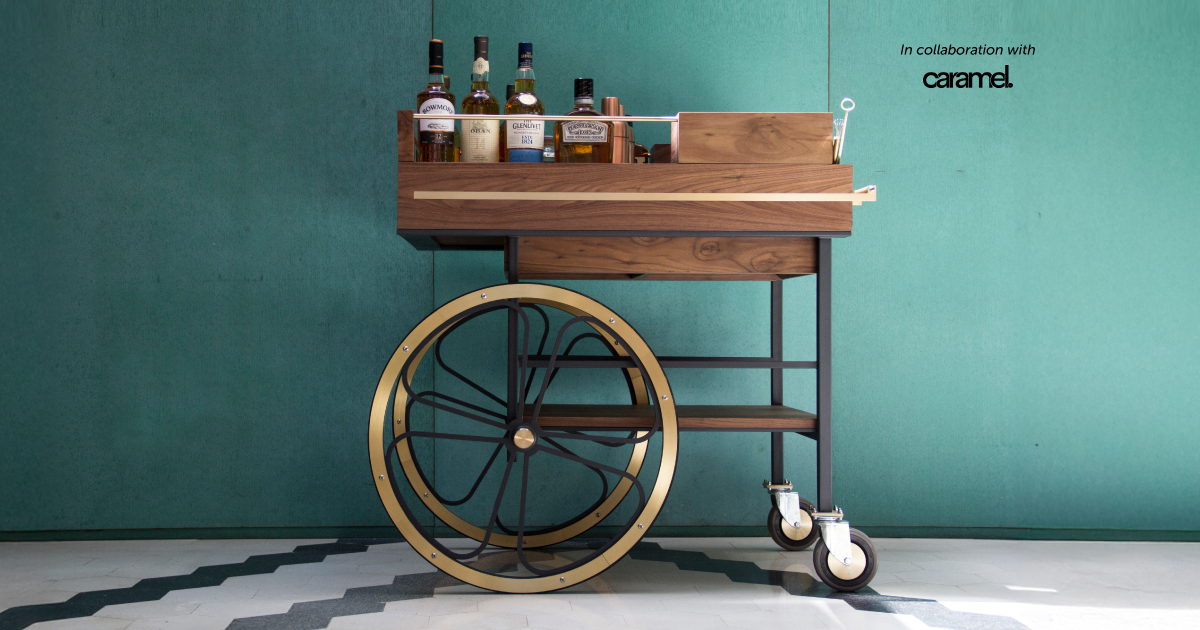
Flexibility is becoming increasingly important in contemporary bar design. In turn, mobile bar carts and service trolleys allow operators to extend service capacity without permanently dedicating additional space to fixed counters. During peak hours, these can activate terraces, lounges or VIP sections, bringing the service directly to the guest. Beyond their operational value, carts introduce an element of theater. For example, tableside cocktail preparation and curated drink rituals create moments of interaction that elevate the hospitality experience. Design studios such as Studio Caramel, which reinterpret the traditional cart, highlight how mobility can combine elegance with functionality. When thoughtfully integrated into a venue’s service strategy, carts become both aesthetic objects and practical tools. As a result, they can support conviviality while improving operational flexibility and revenue.
Designing for longevity
Nightlife venues operate under intense conditions. Notably, heavy traffic, constant cleaning, humidity and air-conditioning place significant stress on materials. Selecting finishes that can withstand these demands is, therefore, essential. Natural materials such as solid wood, stone and durable metals tend to age more gracefully and require fewer replacements over time. Admittedly, these materials may involve higher upfront costs. However, their durability often results in lower lifecycle expenses. In hospitality design, longevity is both an aesthetic and financial consideration.
Sound, atmosphere and dwell time
Acoustics are another crucial, yet often underestimated element of spatial design. Excessively loud environments may create energy, but they can also shorten guest stays. Importantly, when conversation becomes difficult, guests are less likely to remain for multiple rounds. Acoustic zoning offers a solution. By maintaining energetic sound levels near the bar while preserving quieter lounge areas, venues can accommodate different social preferences. The longer guests remain comfortable in the space, the more likely they are to stay and continue ordering.
Lighting that guides behavior
Lighting design, in particular, subtly influences how guests experience a venue throughout the evening. Brighter lighting during early hours supports social interaction and dining. Yet, as the evening progresses, gradual dimming shifts the mood toward a more relaxed nightlife atmosphere. Building on this, strategic spotlighting of counters, architectural elements and premium bottles helps guide visual attention and movement within the space. When layered effectively, lighting enhances both spatial depth and perceived luxury.
As nightlife across the Middle East continues to evolve, the most successful venues are not necessarily the most extravagant. Rather, they are the ones where architecture, operations and guest psychology work together seamlessly. In this new generation of venues, spatial design has become a strategic instrument, shaping atmosphere, guiding behavior and ultimately driving profitability.
Elie Bassil,
Co-founder and business strategist
Studio Caramel
@studio.caramel
studio-caramel.com