
When extraction becomes expression
It is not just technical skill that separates a good barista from an elite one. Awareness, in fact, matters just as much.
A good barista can follow recipes, dial in coffee and deliver consistency. However, an elite barista understands why every variable matters and can adapt in real time. Moreover, they connect sensory perception with intention, turning extraction into expression.
Beyond the cup, they communicate clearly, inspire trust and elevate the experience for both guests and peers. Elite baristas don’t chase perfection. Instead, they pursue clarity, balance and meaning in every decision. Ultimately, it’s not about making great coffee, but about understanding it deeply enough to make it matter.

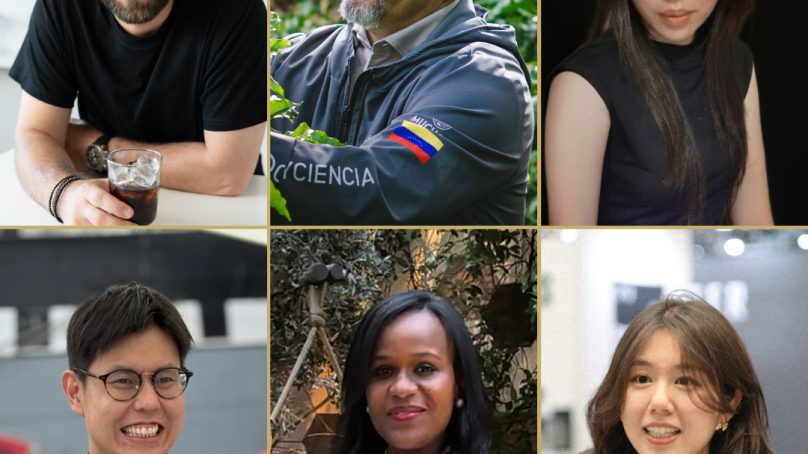
MICHALIS DIMITRAKOPOULOS
Coffee consultant, barista trainer, World Coffee in Good Spirits Champion,
World Barista Championship runner-up
@michalis_dimitrakopoulos
The science of consistent excellence
Science doesn’t replace tradition. Rather, it provides analytical rigor for understanding the complexity of coffee. By transcending subjective perception, it allows for the characterization of chemical compounds or microorganisms through analytical processes, controlled microbiology or biochemistry. In turn, these transform empirical processes into systematic, verifiable and objective ones.
The monitoring and correlation of critical variables such as pH, Brix degrees and temperature guarantee consistent excellence. Meanwhile, biotechnology ensures genetic resilience to climate change. Ultimately, quality ceases to be a matter of chance. Instead, it becomes the result of precise technical decisions, from soil science to the thermodynamics of roasting.
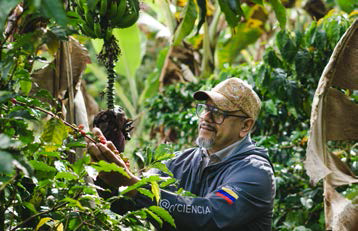
DARVERIS RIVAS DUGARTE
CEO
Café y Ciencia
@ cafeyciencia
Making coffee meaningful
Helping consumers to understand coffee’s end-to-end journey, from origin, farmers and processing to roasting and brewing is key. By doing this, coffee becomes much more than just a drink. Indeed, it transforms into a full experience.
This deeper understanding is significant. Crucially, it creates a connection and, by doing so, makes coffee feel more relatable and meaningful. When consumers know what is in the cup and where it comes from, their appreciation naturally increases.
As a result, people begin to notice flavors and appreciate the quality of what they’re drinking. Just as importantly, they value the care, skill and hard work that has gone into making each cup of coffee in front of them.

TANTY HARTONO
Co-founder
Homebarista Indonesia
@tjhartono
The story behind the cup
In coffee, storytelling is not just marketing. It comes from real relationships and real experiences. The best cafes and roasters care about connecting with farmers and understanding the bean’s journey. Consequently, that authenticity becomes a story that people can feel. When someone shares their story firsthand after visiting a farm and meeting a producer, it carries emotional weight. Certainly, seeing the process up close makes it feel human and honest.
People do not only buy coffee for its taste. Beyond this, they buy into meaning, connection and values. A genuine story ultimately turns coffee into something personal. It builds trust, creates emotional connection and influences buying decisions. Moreover, once people feel it, it changes how they choose, what they value and who they support.

PACK KATISOMSAKUL
Founder and head roaster
Newbery Street Coffee Roasters
newberyst.com
Transparency beyond data
One of the main challenges limiting transparency in the coffee supply chain is distance: not only geographical, but relational. Significantly, many producers still lack direct access to buyers. As a result, information often passes through multiple intermediaries, reducing visibility and traceability.
Pricing, quality expectations and production practices are not always clearly communicated. Notably, these breakdowns in communication cause the true value of coffee at origin to be lost.
Transparency requires more than data. Indeed, it requires presence, trust and long-term relationships. We walk the journey with producers, understand their challenges and commit to partnership grounded in respect. Accordingly, we ensure the supply chain recognizes and reflects the true value of coffee at origin.

JOLIE MARLENE
Founder
CoffeeMap
coffeemapcompany.com
Championing trust-based trade
Sourcing models need to move from transactional to relational. Currently, most systems prioritize scale, price and quality, often at the expense of producers’ realities and livelihoods. Consequently, what’s missing here is trust and empathy.
In contrast, we work through trust-based trade. This includes, for example, long-term relationships, a human-centered approach and shared risk. Adopting this approach allows producers, especially women, to plan, invest and lead on their own terms. Real change means implementing shifts in power, from buyers setting terms to producers co-creating them. Admittedly, transparency matters. However, agency matters more. Better sourcing models put people at their center, not just product.