Once considered secondary to the traditional tearoom culture across Europe, cafes have in recent years regained prominence, delighting a new generation of true coffee enthusiasts. Indeed, Parisian cafes are today experiencing a renewed cultural relevance, blending heritage, craftsmanship and lifestyle appeal.
Ideal lifestyle ambassadors
For more than a century, Paris and coffee have shared a deeply rooted relationship. Indeed, the city’s cafes have long served as cultural hubs where gastronomy, conversation and intellectual life intersect. Today, this tradition may be entering a new phase. Parisian café culture is evolving from a local institution into an exportable hospitality concept.
In the Middle East, premium coffee culture is accelerating in cities such as Dubai, Riyadh and Doha. Across the Gulf, coffee shops have evolved far beyond simple beverage venues. Beyond this, they now function as social spaces, creative meeting points and lifestyle destinations. Within this environment, the Parisian café carries a powerful brand image associated with elegance, creativity and European sophistication.
As a result, several iconic Paris institutions and innovative café brands appear well positioned for international expansion. Indeed, they could soon emerge as compelling ambassadors of French lifestyle across the Gulf’s major urban centers.
A touch of history
Paris’s iconic literary cafes and celebrated terraces represent far more than simple hospitality venues. Their Art Deco interiors, elegant design and timeless atmosphere have made them enduring cultural landmarks.
In global cities such as Dubai and Doha, prestigious European brands already carry strong appeal. Accordingly, concepts inspired by these historic institutions could evolve into cultural destinations. Combining French gastronomy, Parisian design and heritage storytelling, for example, could resonate strongly with Gulf audiences.
Paris and specialty coffee
Additionally, over the past 15 years, the French capital has witnessed the emergence of a dynamic specialty coffee movement. Pioneering addresses have helped redefine the role of coffee in Paris. These cafes
treat it as a gastronomic ritual selected for origin, roasting profile and brewing method. Moreover, they bring barista craftsmanship to the forefront. This new generation of venues has introduced global coffee practices and, as a result, is reshaping consumer expectations.
A lifestyle brand
A third model emerging from Paris is the café as a lifestyle brand. Merging minimalist design, contemporary coffee culture and a distinctive visual identity, such concepts are strongly positioned on social media. In turn, they appeal to a young, international audience seeking curated lifestyle experiences. In cities such as Riyadh and Abu Dhabi, malls, design districts and creative hubs already shape urban culture. Here and in similar locations, a hybrid concept bridging café, design and fashion could therefore find significant traction.
An expanding market
The growth of premium coffee culture in the Middle East is driven by several factors. These include rapid urbanization, a rising affluent middle class and strong global cultural influences. Major Gulf cities are now competing to attract international brands across gastronomy, retail and lifestyle sectors. Within this environment, Parisian café culture holds a distinctive advantage thanks to its association with French elegance, culinary heritage and creative expression. However, international expansion requires adaptation. Successful concepts in the Gulf typically involve larger venues, striking architecture and food offerings tailored to regional preferences and cultural expectations.
Gastronomic diplomacy
Beyond commercial opportunity, the international presence of Parisian cafes could represent a new form of culinary diplomacy. Just as French gastronomy and pastries have long served as global ambassadors of French expertise, cafe culture could become another pillar of France’s hospitality influence. For decades, the terraces of Saint Germain des Prés have symbolized European creativity, intellectual exchange and coffee rituals. In an increasingly globalized hospitality landscape, the Parisian cafe may simply be preparing to write its next chapter far from the Seine yet still unmistakably Parisian.

Noelle Faure,
chef, food sociologist
co-creator
Un Couple en Cuisine
@noelle_faure
sensorielbynoelleetdavidfaure.eatbu.com
CAFE DE FLORE
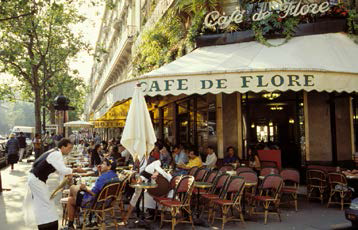
Located in Saint Germain des Prés, this cafe showcases a world-famous elegant terrace and Art Deco interior. Historically, it was a popular meeting place for writers, artists and intellectuals who shaped modern European culture. Indeed, visitors included Albert Camus, Boris Vian and Pablo Picasso. Cafe de Flore’s powerful blend of heritage, design and cultural prestige offers significant appeal and inspiration for the Gulf’s growing cafe market.
cafedeflore.fr

CAFE KITSUNÉ
Cafe Kitsuné represents a new generation of cafe concepts where coffee intersects with fashion, design and lifestyle branding. Developed by the creators of Maison Kitsuné, the concept combines minimalist aesthetics, strong visual identity and contemporary coffee culture. Its global presence has, in turn, transformed the brand into a lifestyle destination.In Middle Eastern cities, where retail, hospitality and lifestyle experiences merge, this hybrid concept could indeed find significant success.
maisonkitsune.com

COUTUME CAFÉ
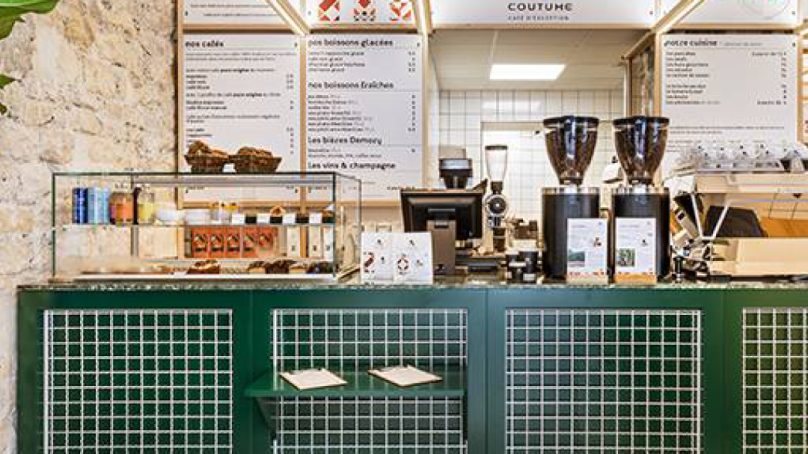
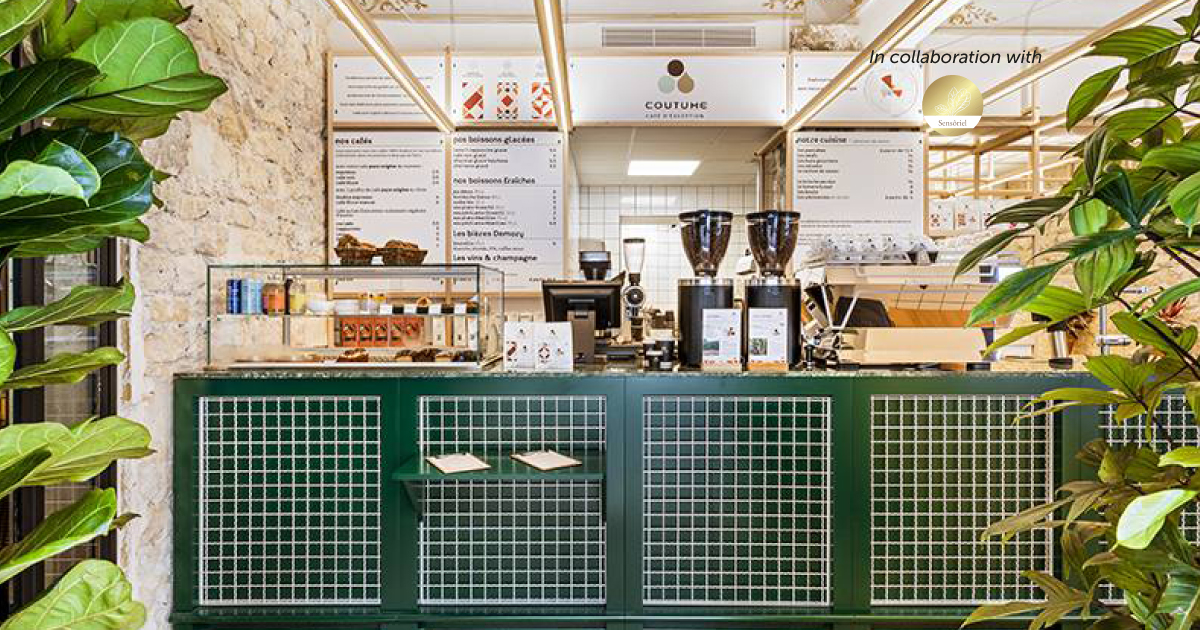
Alongside other industry pioneers, Coutume Café has played a key role in transforming how coffee is perceived in Paris. Rather than focusing solely on tradition, Coutume introduced a contemporary coffee culture built around sourcing, roasting and precision brewing. Indeed, it treated coffee as a gastronomic product selected for origin and roasting profile. This approach aligns with the Gulf’s rapidly expanding specialty coffee culture, where consumers increasingly value craftsmanship, traceability and quality.
coutumecafe.com

KB CAFESHOP
Located near Montmartre, KB CafeShop has become one of the most influential specialty coffee destinations in Paris. A favorite among creatives and international visitors, the cafe helped introduce third-wave coffee culture to a wider Parisian audience. Today, it is known especially for its carefully sourced beans, skilled baristas and relaxed yet design-conscious atmosphere. For MENA hospitality markets, KB CafeShop demonstrates the growing demand for authentic specialty coffee, combined with casual, community-driven environments.
kbcoffeeroasters.com
LE PROCOPE
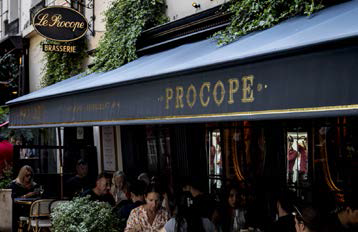
Founded in 1680, Le Procope is widely regarded as the first cafe in Paris. The venue was created by entrepreneur Francisco Procopio dei Coltelli and quickly became a gathering place for philosophers, writers and political thinkers. Indeed, over the centuries, it hosted figures such as Voltaire, Rousseau and Benjamin Franklin. For Middle Eastern operators, Le Procope demonstrates the power of heritage-driven storytelling in creating a true destination experience.
procope.com

LES DEUX MAGOTS
This legendary Parisian café is also deeply connected to the intellectual life of the city. In fact, patrons ranged from Jean-Paul Sartre and Simone de Beauvoir to Ernest Hemingway. The cafe’s name originates from a historic shop. However, over time, it became a cultural institution in its own right. For Middle Eastern hospitality developers, Les Deux Magots illustrates the potential of cafes as cultural landmarks, having evolved into natural meeting places.
lesdeuxmagots.fr
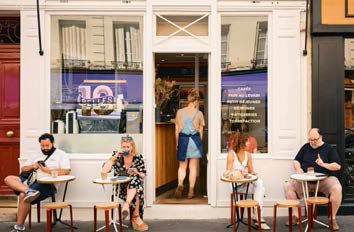
TEN BELLES
Ten Belles is widely considered one of the pioneers of Paris’s modern specialty coffee scene. It is known especially for its artisanal roasting and minimalist approach to coffee preparation. The brand enjoys international recognition among coffee professionals, reflecting shifting consumer expectations toward prioritizing quality, sourcing and craftsmanship. In markets such as Dubai and Riyadh, this model could resonate strongly with younger audiences seeking authentic, high-quality coffee experiences.
tenbelles.com