
An ingredient-led shift
Tea is incredibly versatile from a flavor perspective. What’s really driving its rise, however, is the shift toward more thoughtful, ingredient-led drinks. In modern mixology, we’re constantly looking for ways to build complexity without relying on sugar or artificial flavoring. In this way, tea offers an enormous aromatic spectrum, from delicate florals to roasted, smoky and umami-driven profiles. Beyond this, at a higher level of cocktail development, tea becomes less of a flavoring and more of a structural component. It allows bartenders to layer aromas and subtle bitterness in a very controlled way. This is particularly valuable as the industry moves toward more refined, balanced drinks.
Beyond the cocktail glass
Tea also aligns with the growing demand for lighter, more mindful drinking experiences. Consequently, it is just as relevant in low- and no-alcohol serves as in cocktails. For me, it represents the natural evolution of how we think about building drinks with ingredients. In other words, it marks a shift in direction for the broader industry rather than a passing trend.
Thinking like a chef
Classic cocktail structures rely heavily on the balance between sweetness, acidity and bitterness. However, tea introduces tannin into that equation, which adds a completely different kind of structure and dryness. This shift opens up interesting possibilities. For example, instead of adding citrus for balance, you can use tea to create a more layered, wine-like profile within a cocktail. Bartenders then have the freedom to approach flavor in a more culinary way, thinking about texture, grip and aromatic progression. As a result, tea is much more than just another ingredient. Instead, it is helping to reshape the architecture of modern cocktails.
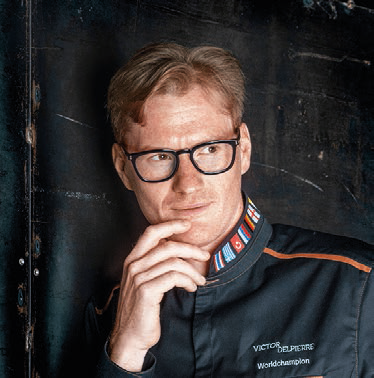
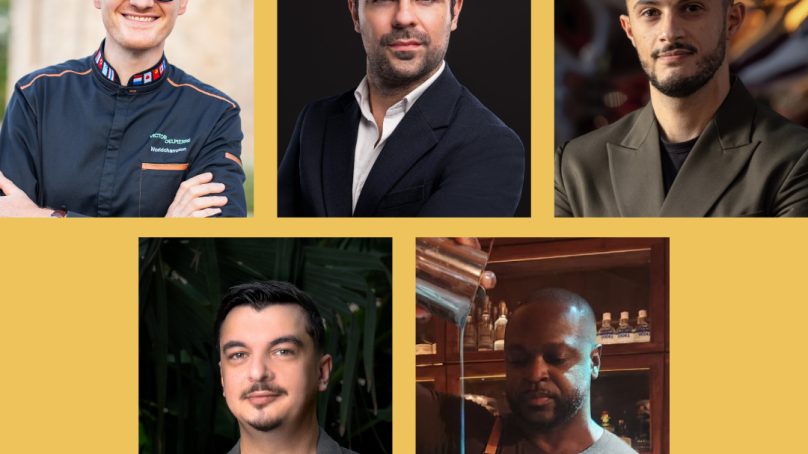
VICTOR DELPIERRE
Gastronomy consultant
@victor_delpierre
Complexity without sweetness
Tea enhances complexity because it contributes layered aromatics, natural tannin and subtle bitterness. Importantly, these are elements that build structure rather than just sweetness. Syrups and artificial flavorings often deliver a single, dominant note. In contrast, tea evolves on the palate, revealing floral, vegetal, smoky or spice nuances over time. High-quality leaves offer clarity and depth that translate beautifully into cocktails. Additionally, careful sourcing and precision blending allow us to extract refined flavor without harshness. Instead of masking a base spirit, tea integrates with it, thereby creating balance, texture and a more sophisticated, multidimensional drinking experience.
Creating through carbonation
Carbonation specifically sharpens and lifts tea-infused drinks by carrying aromatics upward and tightening structure on the palate. The bubbles amplify floral and citrus notes while enhancing tannin, creating a drier, more focused finish.
The art of presentation
Emerging visual trends in tea drinks lean toward minimalism, where flavor is the true star of the show. Clean lines, refined presentation and intentional restraint, for example, allow the ingredients to speak. A pristine ice program ensures clarity and precision, while attractive glassware elevates aroma and texture. Creative, thoughtful garnishes, meanwhile, add nuance without overwhelming the
drink. One example is our non-alcoholic Crystali-No, featuring Tanqueray 0.0, Avantcha cold brew oolong tea and locally sourced vanilla infusion. Ultimately, the elegant presentation mirrors its layered profile, which is understated, polished and designed for a complete sensory experience.

VITOR HUGO
Mixologist
@vitor.hugo.lourenco
Tea as a serious base
Wellness culture is influencing beverage choices, with tea perceived as more natural and functional. Increasingly, bars and operators are positioning it as a serious base for sophisticated non-alcoholic drinks and aperitivo-style serves. The question, ultimately, is whether it can become a key driver of the next generation of wellness-focused bar programs.
Transforming with fizz
Carbonation significantly changes both aroma perception and the structural balance of tea-infused drinks. On the one hand, it acts as an aroma carrier. For example, CO₂ bubbles lift volatile aromatic compounds to the surface, making delicate teas like jasmine, oolong and green tea smell more expressive and vibrant. On the other hand, it affects structure and mouthfeel. Carbonation adds sharpness and acidity, which brightens the natural tannins and prevents the drink from feeling flat or bitter. The bubbles also create a lighter texture, making tea-based drinks feel more like a spritz or highball.
From flavoring to foundation
Over the next five years, tea is likely to evolve beyond its role as a flavoring and become a foundational ingredient in global bar culture. Importantly, its tannins, aromatics and complexity allow it to replicate some of the structure that spirits or fortified wines provide. In turn, this makes it ideal for low-ABV and zero-proof cocktails. Tea will, furthermore, encourage greater cross-cultural experimentation. Ingredients such as matcha, hojicha and oolong are shaping new flavor profiles. More broadly, its versatility and sustainability make tea attractive for bars seeking premium yet cost-efficient ingredients. As a result, it is evolving into a central component of modern cocktail and mindful drinking programs.

NICOLA LAZZARI
Head of bars
Dream Global
dream-international.com
@nicola.cester
Precision and structure
Working with tea undoubtedly requires precision. Extraction changes quickly, for example, depending on temperature, time and the style of tea. When I develop drinks using tea, I treat it almost like a spice or a structural element rather than the dominant flavor. This approach, consequently, changes everything about how a drink is built. Specifically, cold infusions or shorter steeping times are often the key. They allow you to capture the aromatic profile without pulling too much bitterness.
Elegant balance
Additionally, spirit selection plays a big role. Richer, rounder spirits, such as aged tequila, whisky or certain rums, integrate beautifully with tannins. This is because they soften that dryness and create an extremely elegant balance. As a result, when done well, tea doesn’t stand out as a separate component. Instead, it simply adds depth, length and a refined dryness to the drink. We are certainly only just beginning to explore its full potential behind the bar.
A crucial tool
Ultimately, I think tea will become one of the most important tools for bartenders looking to build complexity in a more natural way. As cocktail culture matures, there is a growing emphasis on drinks that feel lighter, more aromatic and less sugar-driven. As it happens, tea fits perfectly into that direction. Moreover, we will likely see more exploration of single-origin teas, rare varietals and different processing techniques, similar to how the industry embraced specialty coffee or natural wines. At the same time, tea will play a crucial role in expanding sophisticated low- and zero-alcohol programs. Key areas, significantly, will be where structure and depth are often the hardest elements to replicate.

CLAUDIU MNERAU
Beverage manager
Bâoli Dubai
baoli-restaurant.com
@claudiumnerau
A quiet backbone
Tea-infused alcoholic beverages and their non-alcoholic counterparts have earned their place behind the bar for good reason. Tea also adds layered flavor, natural color and gentle grip, making drinks feel longer and more complex without being heavy. Infusions and macerations featuring Earl Grey gin, chai bourbon, matcha lattes and tea-infused sangrias, are examples of formats that bring familiar flavors. These are perfect for guests drinking less alcohol but wanting more interest in the glass. For bartenders, moreover, tea is prep-friendly and adaptable. It slips into syrups, cordials, ferments and clarified serves, for instance, building structure and nuance around citrus, spice, fruit or savory notes. As a result, it is becoming a quiet backbone of modern cocktail and mocktail design.
Flavor and function in a glass
Consumers are seeking drinks that both taste great and feel like they are doing something for them. Tellingly, tea sits right in that sweet spot. Brewed properly, different styles support a range of wellness cues, from calming and focusing to energizing. Gentle bitters and herbal tones, furthermore, lock in with sweet, spicy and umami elements, creating depth without leaning on sugar. That allows beverage professionals to offer “better-for-you” options that feel indulgent and emotionally satisfying, rather than like a compromise.
A cleaner, refined finish
Tea generally makes a drink feel drier and more refined. Its tannins bind with your saliva, so you get a cleaner, tidier finish and sweetness doesn’t overstay its welcome. Indeed, the sensation is closer to that of a light, chilled red wine. By comparison, traditional botanicals—especially oil-rich ones—often bring a softer, rounder mouthfeel that can sit heavier on the palate. Tea, meanwhile, gives you a clearer line of structure and lets other flavors show up with more definition.
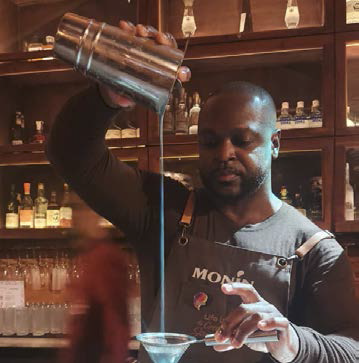
NANA SECHERE
Regional beverage innovation expert Monin Middle East
@nanacoppertone
For more articles, click here


About author

Rita Ghantous
Rita Ghantous is a hospitality aficionado and a passionate writer with over 9 years’ experience in journalism and 5 years experience in the hospitality sector. Her passion for the performance arts and writing, started early. At 10 years old she was praised for her solo performance of the Beatles song “All My Love” accompanied by a guitarist, and was approached by a French talent scout during her school play. However, her love for writing was stronger. Fresh out of school, she became a freelance journalist for Noun Magazine and was awarded the Silver Award Cup for Outstanding Poetry, by The International Library of Poetry (Washington DC). She studied Business Management and earned a Masters degree from Saint Joseph University (USJ), her thesis was published in the Proche-Orient, Études en Management book. She then pursued a career in the hospitality industry but didn’t give up writing, that is why she launched the Four Points by Sheraton Le Verdun Newsletter. Her love for the industry and journalism led her to Hospitality Services - the organizers of the HORECA trade show in Lebanon, Saudi Arabia, Kuwait and Jordan, as well as Salon Du Chocolat, Beirut Cooking Festival, Whisky Live and other regional shows. She is currently the Publications Executive of Hospitality News Middle East, Taste & Flavors and Lebanon Traveler. It is with ultimate devotion for her magazines that she demonstrates her hospitality savoir-faire.