The Middle East has entered a defining era in the evolution of its hospitality and foodservice landscape. Once dominated by Western imports, the market has witnessed the rapid ascent of homegrown franchises. Today, these stand proudly beside established international giants. These regional brands have proven that concepts built in the Middle East and born from its flavors, culture and entrepreneurial spirit can achieve industry-leading standards. Moreover, they can even aspire to global expansion.
What brings these concepts success is not one singular element. Rather, it is a winning blend consisting of several factors. Those elements are cultural insight, operational excellence, disciplined franchising, brand clarity, product innovation and passionate founders who understand their audience. Together, they have reshaped the region’s franchise ecosystem and set new benchmarks for what Middle Eastern brands can accomplish.
Strong identity and clear DNA
A franchise cannot scale without a defined identity that is distinctive, repeatable and emotionally resonant. One regional brand that exemplifies this excellently is Zaatar w Zeit. This Lebanese-born concept successfully transformed a traditional manousheh bakery into a modern, urban lifestyle brand.
Its growth became possible not only because of the food, but because of the clarity of its DNA:
• A contemporary interpretation of Lebanese flavors
• A youthful, energetic brand voice
• Clean, instantly recognizable visual identity
• A positioning built around convenience, freshness and modern Lebanese comfort food
This clear brand architecture allowed Zaatar w Zeit to expand across the Middle East with consistency in product, service and guest expectations. Crucially, when consumers thought about wanting a manousheh, the brand was already top of mind. Their identity is simple yet powerful, making it easy for franchisees, architects and operating teams to replicate the experience.
Operational discipline and warmth
Middle Eastern hospitality is known for its generosity, warmth and theatrical dining culture. But translating this into a franchisable model requires precision, structure and uncompromising standards.
Em Sherif, one of the region’s most acclaimed Lebanese fine-dining exports, exemplifies this balance. The brand offers an ambience reminiscent of luxurious Levantine homes with ornate decor, emotional service and exceptional, rich flavors. However, its behind-the-scenes operations run with strict discipline.
Key pillars include:
• Rigorous recipe standardization – despite the complexity of Levantine cuisine
• Intensive training systems – that preserve the emotional hospitality of the brand
• Quality-control processes – ensuring near identical food and service in every location
• Elevated service scripts – that maintain the theatricality expected from the concept
This combination of emotional hospitality supported by structured execution has enabled Em Sherif to scale internationally without losing authenticity.
A strong franchise model
For homegrown franchises to succeed abroad, they must evolve from great restaurants into fully engineered business systems. A successful franchise model is built on structure, clarity and continuous support.
This includes:
• A proven, profitable store format
• Clear standard operating procedures (SOPs) and efficient kitchen workflows
• Architecture and design guidelines adaptable across markets
• Central procurement and a secure supply chain
• Pre-opening training and ongoing operational support
• A dedicated franchise team for performance tracking
• Regional and local marketing strategies
• Technology systems that enable visibility and consistency
Most importantly, a strong franchising model requires a detailed franchise manual. This manual becomes the backbone of the relationship. It outlines operational expectations, brand standards, recipes, HR protocols, service steps, training guidelines, maintenance procedures, financial frameworks and compliance rules. Without it, consistency becomes impossible and franchisees lack the direction needed to uphold the brand.
A modern GCC-born quick-service restaurant (QSR) concept has adopted this approach by building a highly structured franchise engine. In turn, thorough manuals and multi-format expansion systems support the model. This readiness in a business transforms franchising from a sales process into a long-term operational partnership.
Entrepreneurial agility and passion
Behind many successful regional concepts lies a founder or founding team driven by passion and vision. Saddle Café in Dubai, for example, embodies this founder-led agility. Its evolution from luxury mobile coffee
bar to sought-after lifestyle cafe brand is down to several factors. Combined, these include a deep understanding of aspirational consumer behavior, product excellence and aesthetic detail.
Its growth is propelled by:
• Strong visual identity
• Commitment to quality
• Fast decision-making
• Unique experiential positioning
• Hands-on leadership
This entrepreneurial dynamism enables Saddle to evolve quickly, enter new neighborhoods and maintain relevance in a competitive market.
The future: from homegrown brands to international success
As homegrown franchises mature, many are preparing for international expansion, moving from regional recognition to global relevance. However, for this next chapter to succeed, several elements become critical:
1. A proper global launch strategy
Middle Eastern brands can thrive abroad when they present themselves with clarity.
This requires:
• A refined brand story shaped for global audiences
• A well-defined customer experience
• A menu adapted intelligently without diluting the brand’s heritage
• A polished positioning strategy, not just a geographic expansion
The global journey must begin with a brand that understands who it is and how it should be perceived internationally.
2. A signature experience beyond food
Global consumers seek authenticity with a modern twist. Middle Eastern concepts have a unique advantage. This is a combination of:
• Emotional hospitality
• Warmth and generosity
• Rich cultural narratives
• Immersive design and ambience
• Elevated attention to detail
The brands that succeed abroad will be those that deliver not just a meal, but a multi-sensory cultural experience.
3. Discipline in daily operations
To scale globally, consistency becomes nonnegotiable.
This requires international-ready operational systems, strong management or experiential advisors, reliable supply chains and standardized training.
Here again, the franchise manual becomes essential. It acts as the anchor that ensures global outlets deliver the same quality, experience and brand integrity, irrespective of location.
4. A global growth mindset
A new generation of Middle Eastern founders is no longer thinking regionally. Instead, they are thinking globally. They recognize a growing appetite on the international stage for what they can offer. Together, these comprise Middle Eastern flavors, the aesthetic power of regional cafe culture and the strength of Levantine and Gulf storytelling.
Reshaping the global dining landscape
The rise of homegrown Middle Eastern franchises reflects an ecosystem ready for global success. Collectively, this is a rich mix of visionary founders, structured systems, disciplined franchising and a deep cultural connection with guests. These brands have a key message to share. They are ready to prove that while Middle Eastern hospitality has long been admired, it is now also technically refined. As a result, these businesses are poised to reshape the global dining landscape.
The region’s next great exports will not be oil or malls. Rather, they will be brands, experiences and hospitality concepts born in the Middle East and embraced worldwide.
The next decade will likely witness Middle Eastern hospitality brands becoming global icons. They have opportunities to export culture, flavor and experience with the same confidence global brands bring to the region.
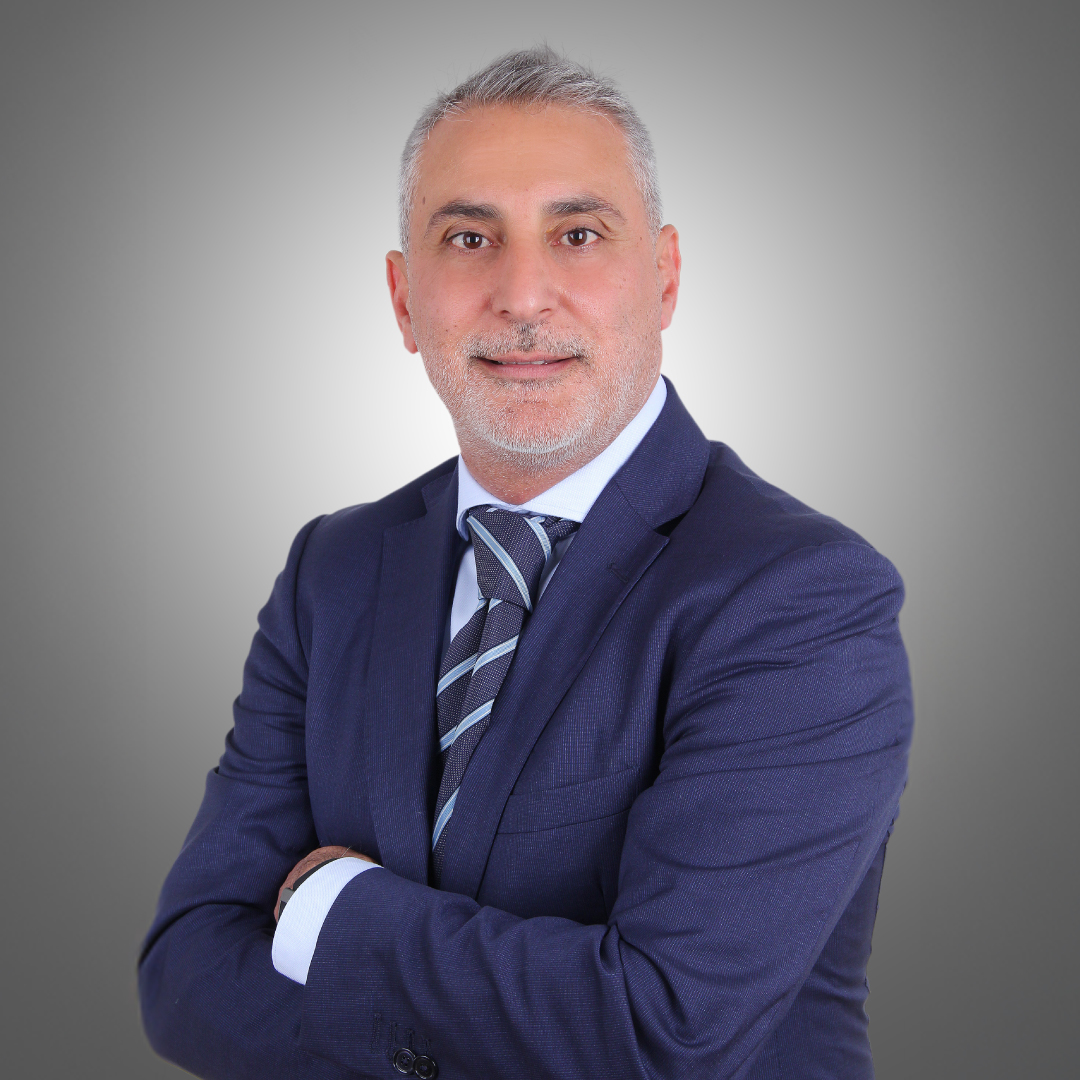
Christian Salloum
Managing Director of BRANDPORTUNITY
Managing Director of BRANDPORTUNITY