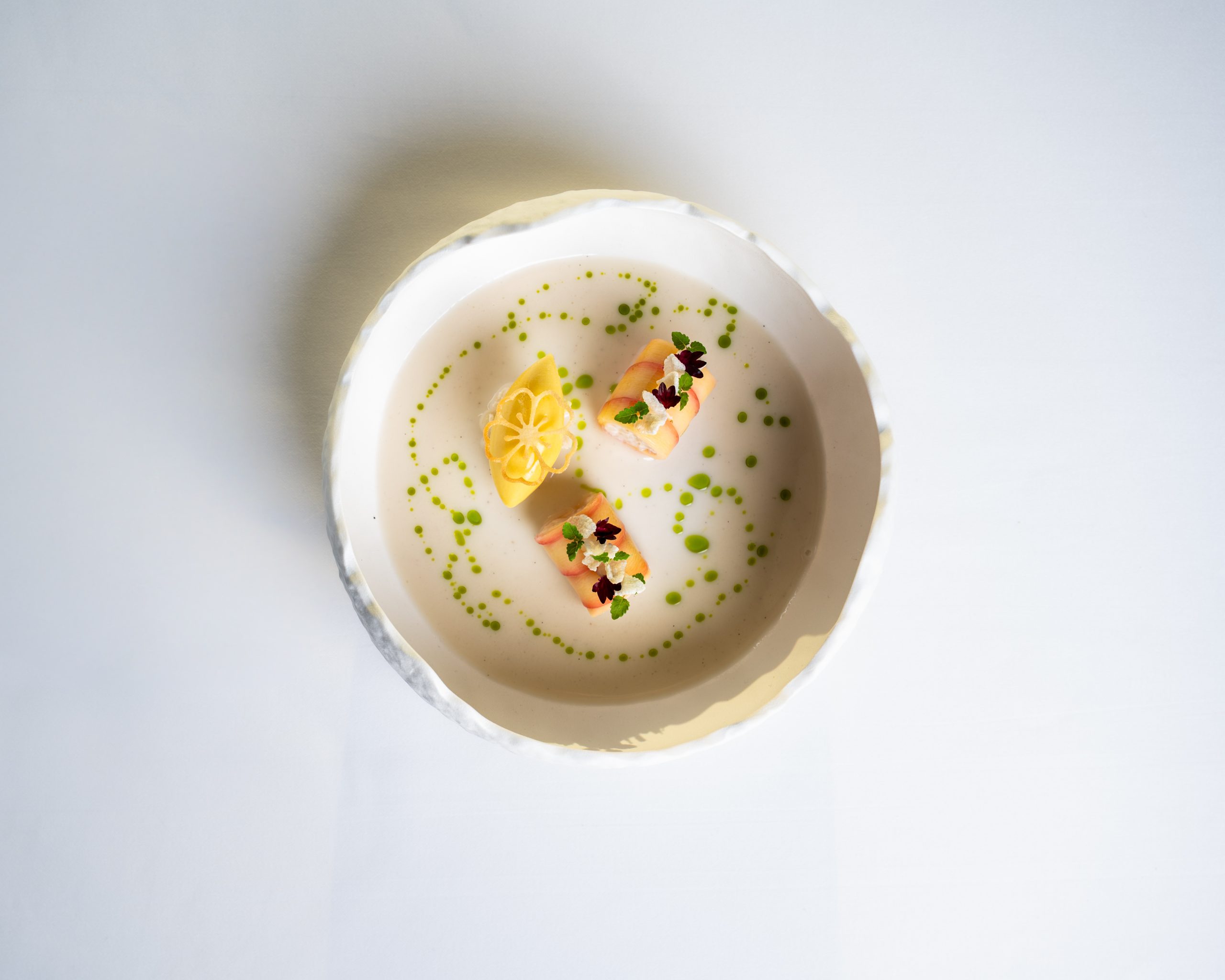
We consume many cold dishes, similarly to Nordic countries such as Sweden and Norway, because historically harsh winters shaped our habits. Therefore, prolonged freezing seasons required careful preparation for scarcity, which consequently established longstanding traditions of preserving food across generations. As a result, smoking, curing, pickling and fermenting became deeply embedded techniques that continue to define German culinary identity. Moreover, German cuisine expresses clarity in flavor and profound respect for raw ingredients, prioritizing their natural character above embellishment. In contrast to heavily spiced traditions such as Indian cuisine, it instead emphasizes balance, restraint and technical precision. Ultimately, German cooking centers on technique and seasonality, shaped by regions like the Black Forest, Bavaria and the North Sea coast.
Influences that have shaped German cuisine
Neighboring countries such as Austria, France, Switzerland, Poland and Denmark significantly influenced regional techniques and our culinary traditions. More recently, waves of immigration have introduced new spices, ingredients and cooking methods that gradually diversified the culinary landscape. Nevertheless, German cuisine has maintained a strong and distinct identity, centered on natural, robust flavors and enduring bread and sausage traditions. Above all, it remains firmly rooted in local sourcing and seasonality, reflecting a consistent respect for regional products.
International recognition
What excites me most is witnessing German chefs gaining international recognition and redefining perceptions of their national cuisine abroad. Restaurants such as Taian Table in Shanghai and Sühring in Bangkok demonstrate how German culinary foundations adapt thoughtfully to local flavors and ingredients. Through this approach, these chefs create contemporary interpretations while remaining grounded in German technique, discipline and culinary heritage. At the same time, they introduce international audiences to the depth, structure and traditions of German food culture. Ultimately, this global exchange, where German cuisine evolves through dialogue rather than fashion, feels far more compelling than any fleeting trend.
The future of German gastronomy
I believe German gastronomy will soon claim its rightful place on the global culinary stage. While Italian, French and Spanish cuisines enjoy worldwide familiarity, German food has too often been confined to outdated stereotypes. However, this perception is steadily shifting as a new generation begins to challenge and redefine those assumptions. Therefore, younger chefs like me carry the responsibility of presenting German cuisine as it truly is: diverse, refined and full of potential. By embracing creativity while remaining rooted in tradition, we can reshape global perceptions and articulate a compelling new narrative. We aim to position German food as modern, relevant and confidently expressed on the international stage.
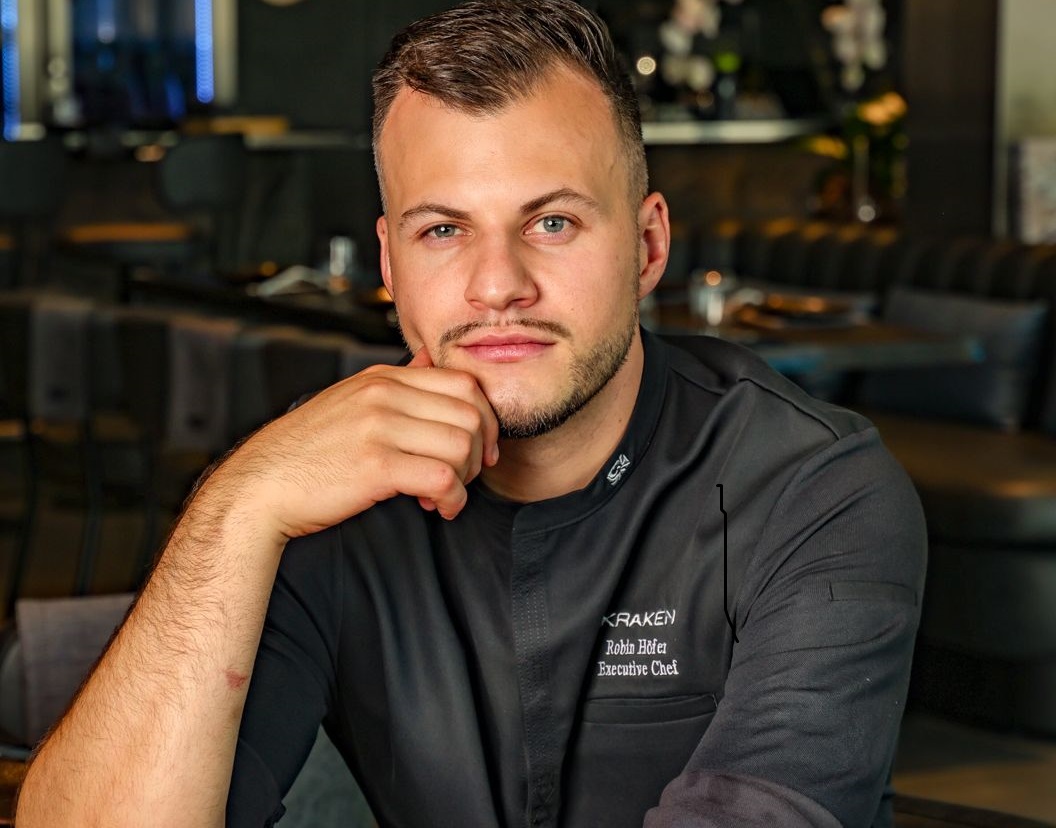
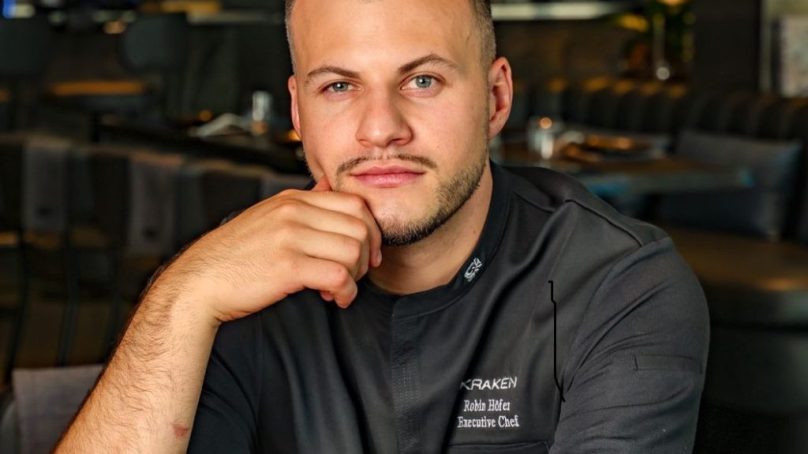
Robin Höfer
chef Restaurant Kraken Dubai
@chefrobinhoefer
@krakendubai