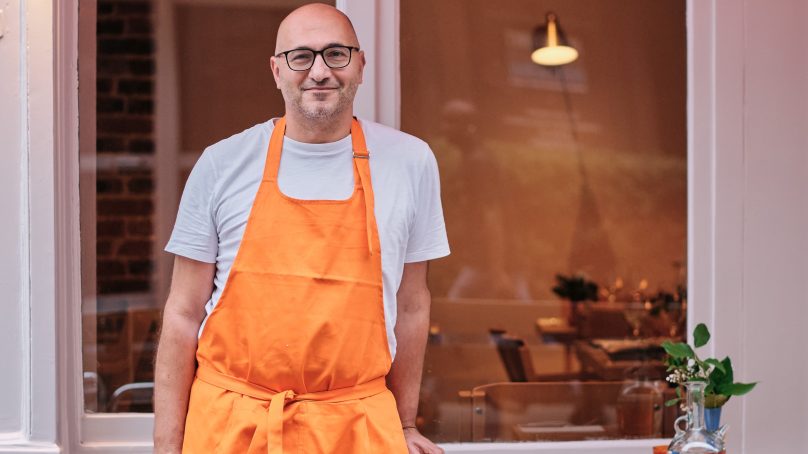
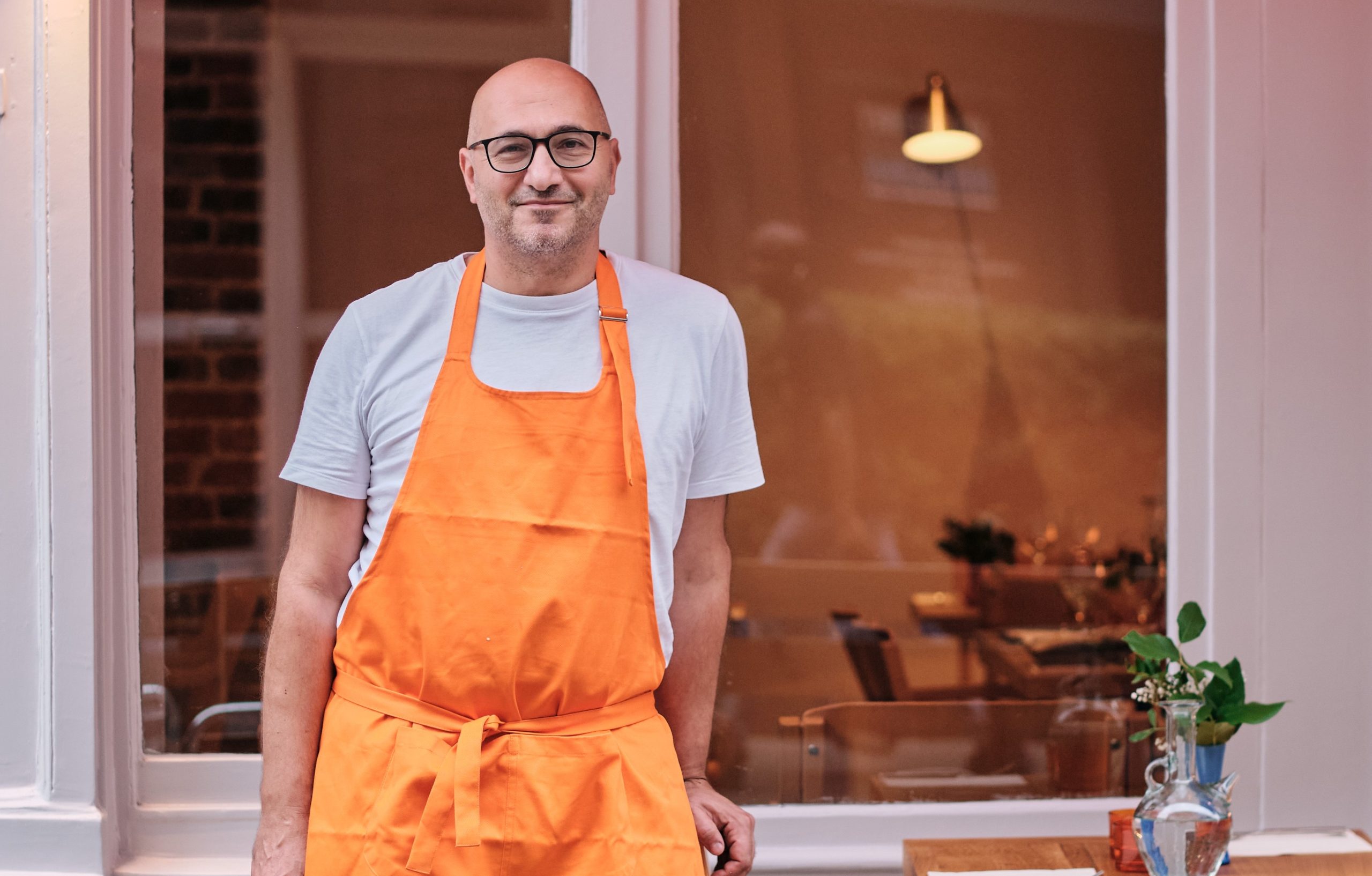
Karim Haïdar releases Dictionnaire des Saveurs du Liban, a book exploring Lebanon’s culinary identity through its ingredients, traditions and regional flavors. We sat with the chef and owner of Sama restaurant and Les Mots et le Ciel catering to discuss his book and Lebanese cuisine.
Lebanese food is known for its communal dining. How do you see these traditions surviving in today’s fast-paced world?
Being together around a table, sharing thoughts and small bites, is for me the very essence of life and connection. Indeed, the Lebanese way of eating is about sharing moments together, whether over coffee or simply enjoying watermelon seeds fresh. Moreover, giving time and attention to simple moments is rooted in our culture, and we should resist the world’s pace. We believe our way is right and others should slow down and learn to embrace these meaningful rituals.
Lebanon has faced political and economic turmoil. How have these challenges shaped the food culture you showcase?
In fact, every hardship Lebanon faced has, in some way, strengthened its food culture, pushing it beyond borders and into global kitchens. Because of the civil war, Lebanese restaurateurs expanded worldwide, sharing their cuisine and turning it into a global ambassador of identity. Amid economic challenges, landowners, moreover, refocused on local produce, developing high-quality zaatar, sumac and olive oil with renewed care. As a result, there has also been a return to wholesome, affordable vegetarian dishes like mjaddara, hommos and fatte, deeply rooted in tradition.
Your dictionary includes hundreds of flavors and ingredients. Which one would you say is the true “soul of Lebanon”?
I believe all of them together, and each of them individually, shape my Lebanon and reflect its rich identity and layered spirit. As I shared in the book, the image I hold of Lebanon is a table with kebbé nayyé, tabboulé and arak.
You included illustrations in your book. How important is visual storytelling in understanding flavors for readers abroad?
I have always believed that words and illustrations belong together, each completing the other, much like a dish needs beautiful presentation. In the same way, what we see draws us in, just as much as taste does, creating a full and memorable experience. I was very happy to work with Marie Lou Garcia, sharing stories of Lebanese food while her drawings captured her own impressions. As a result, the book now carries two voices, blending narrative and illustration into one cohesive and expressive journey.