
How Swiss gastronomy differs from other cuisines
Swiss gastronomy is defined today by precision, purity and deep respect for terroir, shaping a distinctive culinary identity worldwide. Moreover, Switzerland’s culinary identity reflects geography and a multilingual culture, blending Germanic structure, French finesse and Italian warmth into harmonious expression. Additionally, seasonality remains fundamental, guiding menu development throughout the year, while ensuring ingredients reach peak quality and optimal flavor naturally. Consequently, chefs rely on raw materials, including alpine herbs, freshwater fish, mountain dairy and carefully raised meats for balanced dishes. Techniques, meanwhile, remain meticulous, yet restrained, allowing ingredients to speak naturally, while emphasizing balance, clarity and craftsmanship across contemporary dishes.
Food trends in Swiss gastronomy
Hyperlocal sourcing and ecological responsibility are shaping Swiss gastronomy, chef are prioritizing regional ingredients and sustainable practices. Furthermore, chefs collaborate closely with small-scale farmers, foragers and artisans, highlighting rare alpine vegetables, ancient grains and regional herbs. In addition, fermentation and preservation methods are evolving, including the use of koji, lacto fermentation, curing and aging to build complexity. Moreover, plant-forward cuisine is gaining prominence, focusing on creativity and flavor while reducing reliance on substitutions and processed alternatives. Thus, there is a renewed appreciation for forgotten varieties and indigenous produce. In turn, authenticity, sustainability and regional identity define contemporary Swiss culinary development.
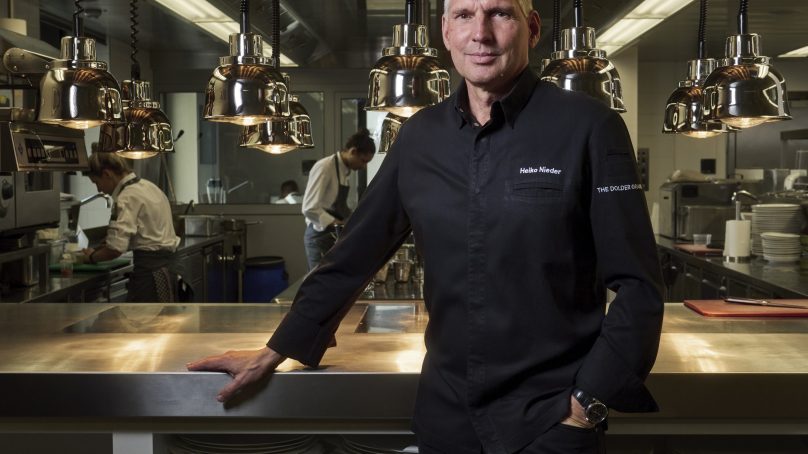
This approach is followed across five restaurants at the Dolder Grand, ensuring consistency, innovation and commitment to responsible gastronomy.
What the future holds for Swiss gastronomy
Looking ahead, the future of Swiss gastronomy will be defined by greater transparency, sustainability and innovation, firmly rooted in heritage. By 2027, chefs will integrate regenerative agriculture and climate-conscious menu design, adapting to environmental challenges and evolving consumer expectations. Consequently, chefs will adapt to altitude, soil diversity and biodiversity, creating environmentally responsive cuisine, as at the garden restaurant Blooms. Meanwhile, technology will support precision. Equally, craftsmanship and human intuition remain central, ensuring authenticity and emotional connection within each dining experience. As for guests, they will seek meaningful experiences and stories of origin. These will be rooted in carefully curated luxury and increasingly important non-alcoholic pairings.
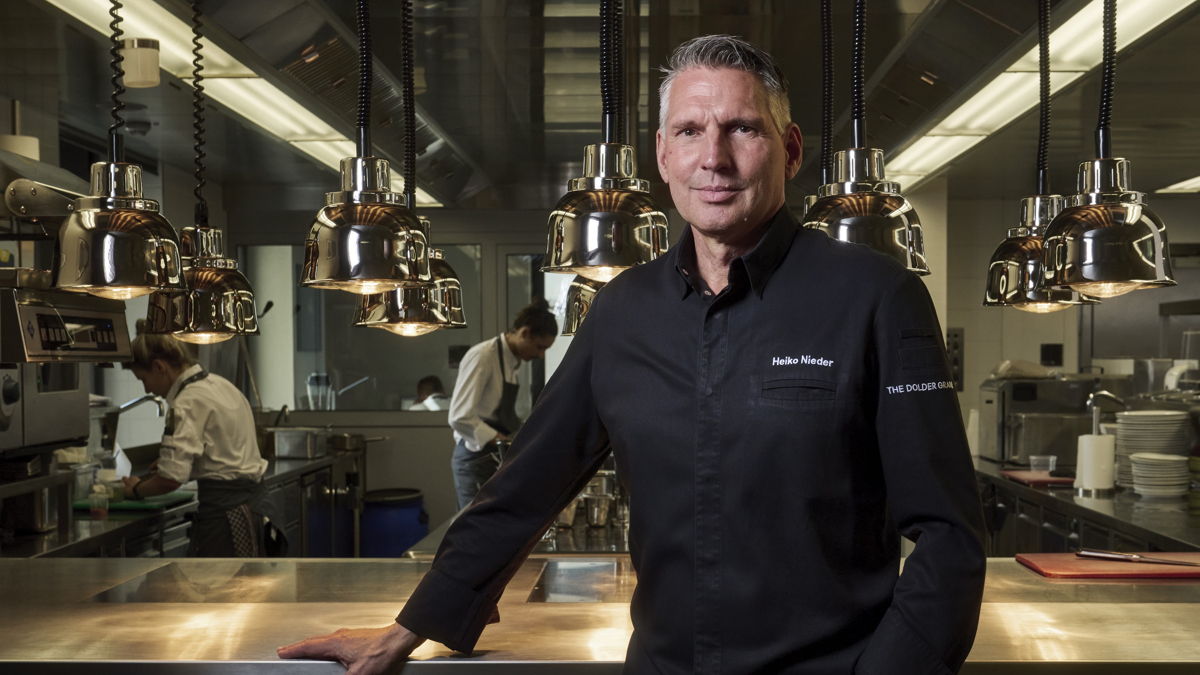
Heiko Nieder
Two-Michelin-starred chef Heiko Nieder
thedoldergrand.com
@heiko_nieder