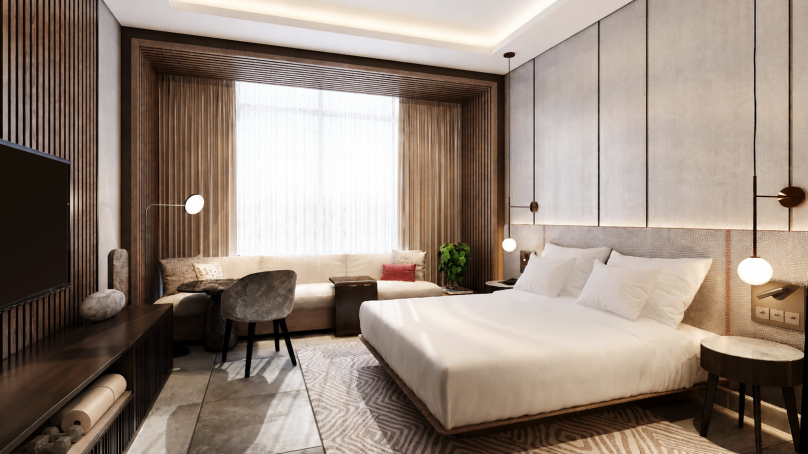
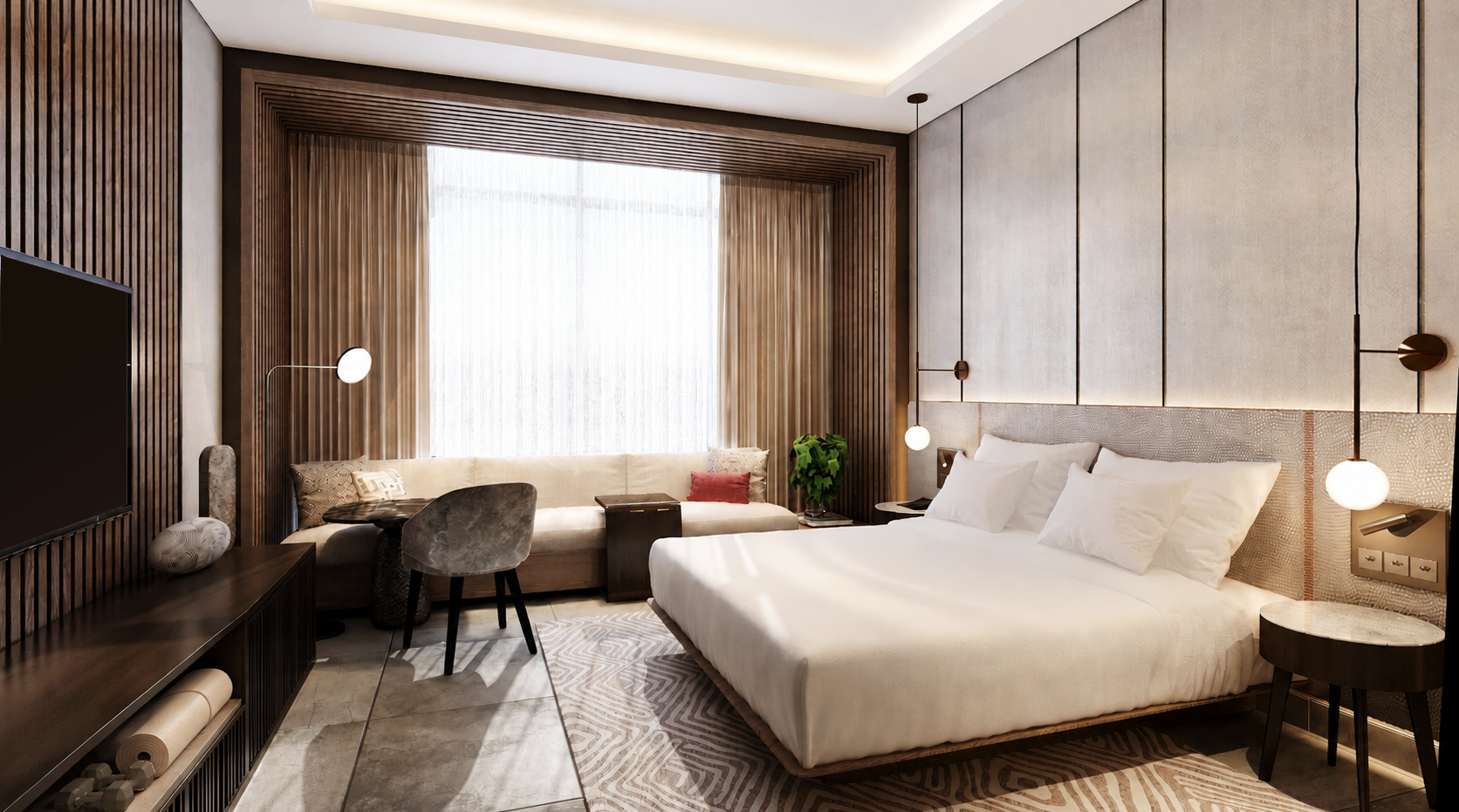
Wellness has moved from being a desirable hotel amenity to an essential part of the guest experience. For today’s traveler, routines around sleep, movement and recovery are part of travel, not separate from it. However, a spa or gym with restricted operating hours cannot always support executives arriving after long-haul flights. Likewise, they may not support guests adjusting across time zones or maintaining early-morning yoga or mobility routines. Moreover, in markets with cultural considerations affecting shared wellness facilities, guestrooms offer more personal and inclusive wellbeing settings. This is particularly relevant in the Middle East, where international arrivals, extended business stays and significant time-zone changes are common. Therefore, integrating wellness into rooms helps hotels respond more intelligently to changing guest behavior. It also supports healthier routines without asking guests to leave the privacy and convenience of their own space.
Designing for movement
The success of in-room wellness depends on integration, not decoration. Features must feel intrinsic to the architecture and interior design rather than added as afterthoughts. This begins with spatial planning, creating dedicated or adaptable areas for stretching, meditation or light training. Additionally, these spaces should be cleared quickly whenever needed. Fold-away fitness equipment and adaptable furniture support movement without compromising comfort or visual calm. Furthermore, discreet storage for yoga mats, weights or recovery tools gives guests meaningful wellness options. Lighting can also play a pivotal role. Circadian systems can be embedded within architectural lighting strategies, supporting natural sleep and wake cycles. Moreover, they achieve this without exposing guests to unnecessary technological complexity. Carefully programmed scenes can also support high-intensity workouts, Hatha yoga or breathwork.
Bathrooms as private recovery spaces
Bathrooms are becoming one of hospitality’s most significant wellness frontiers. Steam showers, chromotherapy, massage showerheads, spa-style wet zones and recovery bathtubs create restorative bathing rituals. These features are especially valuable for business travelers, couples and guests seeking recovery outside scheduled treatments. They also benefit guests preferring recovery outside shared spa spaces. The point is not to replace the hotel spa but to extend its benefits throughout the stay. Ultimately, real luxury lies in resetting privately, effortlessly and on one’s own schedule.
Why early coordination matters
Meaningful wellness cannot be treated as a late-stage specification. Circadian lighting controls, enhanced ventilation and acoustic separation demand early coordination. Similarly, steam systems and specialist mechanical requirements require collaboration from the initial stages of the project. Therefore, designers, operators and engineering teams must coordinate from the beginning. Otherwise, delayed decisions often result in visible equipment, maintenance complications or reduced guest comfort. The strongest hospitality projects treat wellness as a carefully choreographed experience, not a checklist of features. They support how guests sleep, move, recover and feel throughout their stay.
Wellbeing is planned with the same discipline as comfort, service and operations. It defines contemporary hospitality.
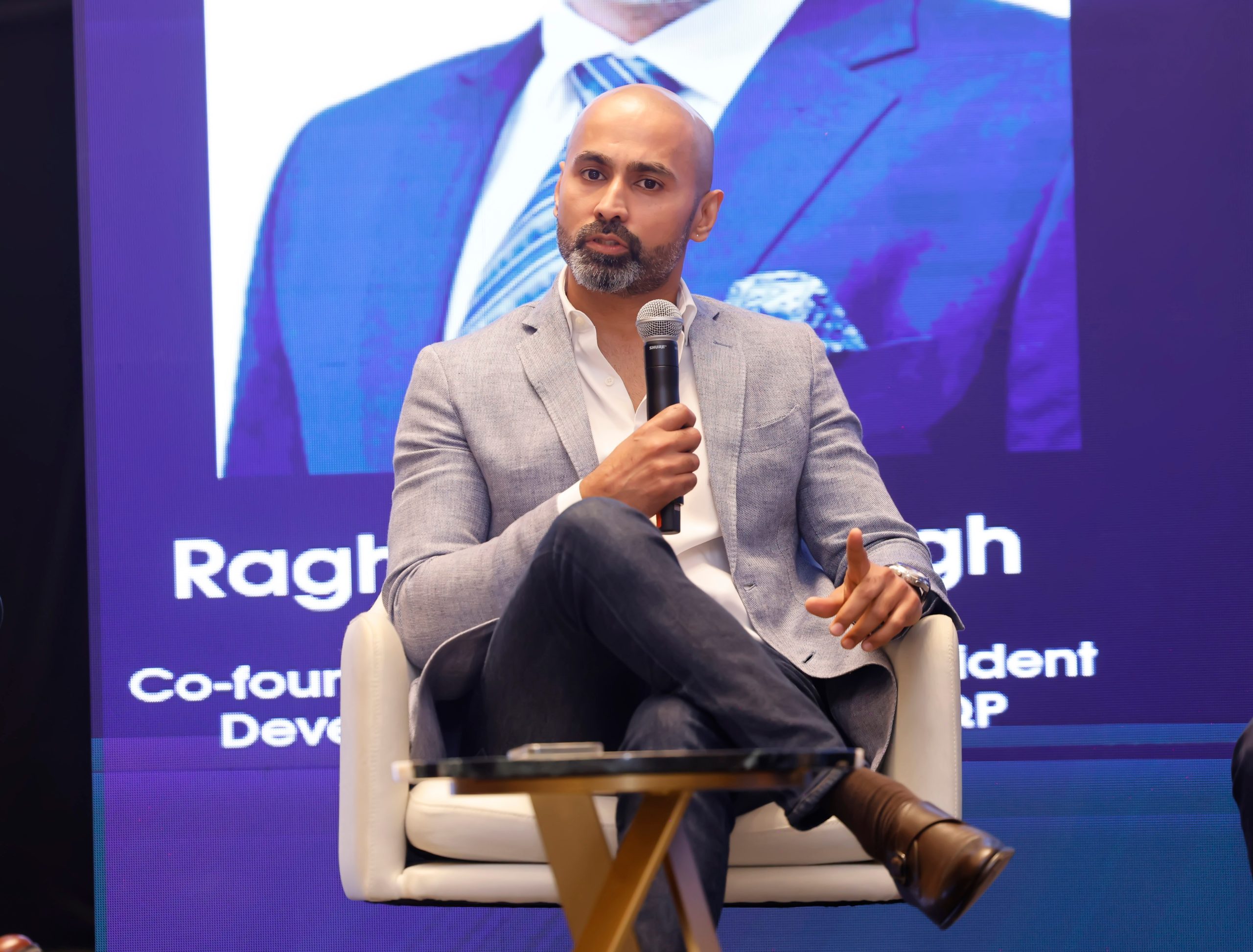
Anil Mangalat,
managing partner
MMAC Design,
mmacdesign.com
@mmac.design