As the Middle East’s dining scene evolves, restaurants across the region are moving beyond imitation and building stronger culinary identities. In Jordan, this change is especially visible in Japanese cuisine, where omakase dining continues to attract growing interest.
Japanese cuisine is often linked to imported luxury ingredients. However, its true foundation is far deeper. Japanese cooking centers on seasonality, balance, restraint, and respect for ingredients at their best. This philosophy allows the cuisine to adapt to different cultures while preserving its character and discipline.
Learning from global examples
One of the best known examples is chef Nobu Matsuhisa’s work in Peru. Rather than recreating Japanese cuisine ingredient by ingredient, he embraced local produce, citrus, peppers, and regional flavors. In doing so, he created Nikkei cuisine, a style that respects both Japanese technique and Peruvian terroir.
Today, the same thinking influences Japanese dining in Amman and across Jordan. Instead of relying only on imported ingredients, chefs explore ways to incorporate Levantine and Jordanian produce into Japanese dishes. Seasonal citrus, local herbs, vegetables, and olive oils complement traditional techniques without overshadowing them.
A local approach to Omakase
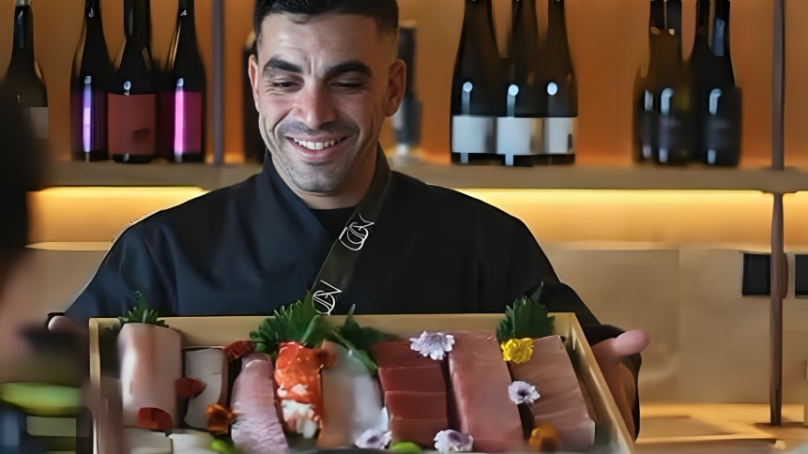
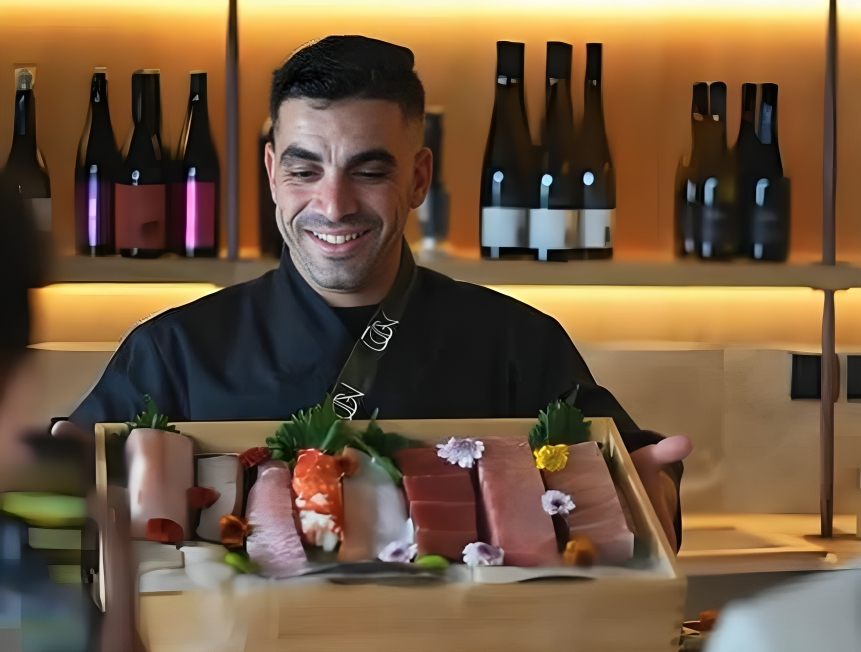
At Yūgen in Amman, this philosophy shapes the restaurant’s chef led omakase experience. The team carefully selects local ingredients to support the menu rather than importing products solely for replication. These ingredients enhance acidity, aroma, freshness, and balance while respecting the core principles of Japanese cuisine.
The restaurant maintains a strong focus on authenticity throughout the experience. Fish remains the centerpiece of every menu, while chefs prepare the rice with precision and care. They apply seasoning, acidity, and garnishes with restraint to create harmony and balance.
Redefining authenticity
This approach reflects a broader shift in Japanese dining around the world. Today, authenticity no longer depends on importing every ingredient from Japan. Instead, it comes from respecting the techniques, principles, and philosophy that define the cuisine.
For Amman, this evolution signals a more confident and mature dining scene. Concepts such as Yūgen show how restaurants can achieve international relevance through thoughtful interpretation rather than imitation. They combine technical excellence with a strong sense of place.
As Jordan’s hospitality sector continues to grow, this approach is reshaping how diners understand and value authenticity. Japanese cuisine in the country is entering a new phase guided by seasonality, terroir, and careful adaptation to local ingredients and tastes.