Food loss and waste remain one of the most persistent challenges facing the hospitality sector. Despite increasing awareness, hotels and restaurants continue to discard large volumes of perfectly edible food every day. In most cases, waste is the result of how hospitality systems are designed, from overproduction and rigid procurement to uncertainty around demand. Eliminating food waste requires better systems, not better intentions.
Food waste as a systemic challenge Globally, it is estimated that up to 20 percent of food prepared in hospitality never gets consumed. In high tourism regions such as the Middle East, this issue is amplified by fluctuating occupancy rates, seasonality and diverse guest profiles. Fortunately, however, technology allows operators to reframe food waste as an operational challenge. This can be addressed through planning, visibility and data, rather than relying solely on staff training or guest behavior.
Predictive demand and data-led kitchens
Advances in predictive analytics are transforming how hospitality kitchens operate. By combining historical consumption data, booking patterns, seasonality and event schedules, operators can forecast demand with far greater accuracy. As a result, data-led kitchens are able to align preparation volumes more closely with actual consumption. This reduces overproduction without compromising service quality. In practice, even small improvements in forecasting can cut kitchen waste by double-digit percentages while improving cost control and operational confidence.
Digital ordering systems and point-of-sale data reveal what dishes are popular, what is consistently left on plates and where portion sizes may be misaligned. These insights allow chefs to redesign menus, adjust portions and rethink buffet formats based on real behavior rather than assumptions. Often, small data-informed changes lead to meaningful reductions in plate waste while maintaining, or even improving, guest satisfaction.
Reclaimed ingredients and menu innovation
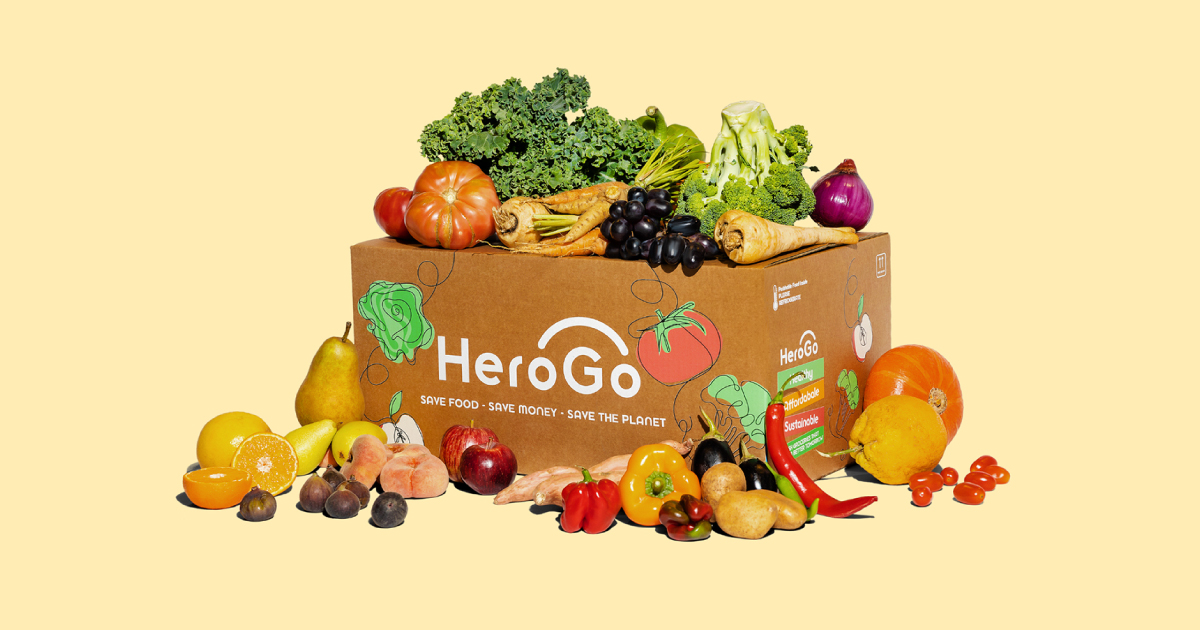
One of the most promising shifts in hospitality sustainability is the use of reclaimed or surplus produce as a feature rather than a compromise. In our work with restaurants and hotels, we have seen growing interest in menus that intentionally incorporate wonky vegetables or surplus produce that would otherwise go to waste. Moreover, dishes made with reclaimed ingredients often resonate strongly with guests when presented transparently. “Made with rescued produce” is increasingly seen as a mark of creativity and responsibility, not limitation. When chefs are supported by technology that ensures consistency, safety and availability, reclaimed ingredients become a tool for menu innovation and customer engagement.
However, digital supply platforms enable kitchens to source more dynamically, responding to real demand and availability. Such flexibility supports the use of seasonal, local and reclaimed produce while maintaining quality standards. For hospitality operators, it also improves resilience against price volatility and supply disruptions.
Measuring what matters
Technology plays a critical role in making sustainability actionable. Digital dashboards allow hospitality teams to track food waste, water usage and resource efficiency at an operational level. When waste is visible and measurable, it becomes manageable. Teams are better equipped to identify inefficiencies, take corrective action and track progress over time. As a result, sustainability shifts from a reporting exercise to a practical management tool.
By addressing food waste at a systems level and embracing reclaimed ingredients as part of the solution, the hospitality sector can reduce loss, improve performance and deliver sustainability outcomes that are both credible and commercially sound.