Luxury in the F&B world is no longer defined by extravagance alone. Crystal chandeliers, oversized portions and high price points, for example, are not sufficient to position brands as truly luxurious. Today, luxury is about precision, clarity and consistency. Indeed, it is about mastering the fundamentals at the highest possible level and delivering them seamlessly. A high-end F&B brand is built on exceptional ingredients, disciplined culinary execution, refined presentation, immersive ambiance and intuitive service. When these pillars align, the result is more than just a meal. Beyond this, it offers a complete experience that encourages clients to repeat visits.
Exceptional ingredients
At the core of any high-end concept lies the product itself. Crucially, ingredient quality is the foundation. Premium seafood, heritage meats, seasonal truffles, rare mushrooms, single-origin chocolate and coffee, aged vinegars, artisanal cheeses, hand-harvested spices and carefully sourced olive oils define the standard. High-grade caviar, Wagyu beef, bluefin tuna and organic heirloom vegetables elevate perception. However, this only happens when they are treated with respect. These ingredients are not about showcasing wealth; rather, they are about showcasing excellence and purity.
Simplicity and restraint
Modern high-end cuisine increasingly embraces simplicity. The focus is not on complexity for its own sake, but on allowing exceptional products to shine. Caviar paired with warm baby potatoes, delicate pasta, blinis or soft scrambled eggs demonstrates how a humble base can elevate a premium ingredient. Specifically, fresh black truffle shaved over handmade tagliolini or a creamy risotto emphasizes aroma and depth. Similarly, Wagyu served with minimal garnish and a light sauce highlights the meat’s quality rather than masking it. Luxury today is about restraint; in other words, letting the ingredient speak clearly.
The Japanese benchmark
Luxury Japanese cuisine offers one of the purest expressions of this philosophy. Indeed, in high-end sushi counters and kaiseki restaurants, simplicity is elevated to art. Premium toro, uni, Hokkaido scallops and A5 Wagyu, for example, arrive with minimal interference. Additionally, the rice temperature, knife precision and balance of seasoning are controlled meticulously. Presentation is clean and deliberate, often highlighting seasonality and harmony. Significantly, in this context, luxury is subtle and disciplined—a benchmark for refined execution worldwide.
Precision over complexity
Such simplicity requires exceptional technique. World-class chefs, particularly those leading restaurants within internationally recognized five-star hotels or their own restaurants, understand that luxury is defined by precision. Sauces must be balanced, textures intentional and temperatures exact. The difference between premium and luxury, notably, often lies in details invisible to the guest but essential to the result. A perfectly emulsified sauce or an immaculately prepared sashimi cut demonstrates discipline without excess.
Luxury brands within five-star hotels internationally set important benchmarks. From iconic properties in the Gulf to historic grand hotels in Europe and contemporary towers in Asia, these establishments operate under strict standards of quality and consistency. Guests expect excellence, whether dining in Dubai, London, Paris or Tokyo. In essence, consistency across markets reinforces brand credibility and prestige.
Ambiance as a silent signature
Presentation remains a defining pillar. Excellence on the plate means clarity and proportion. Dishes are composed thoughtfully, with balanced colors and controlled portions. Moreover, garnishes are purposeful rather than decorative.
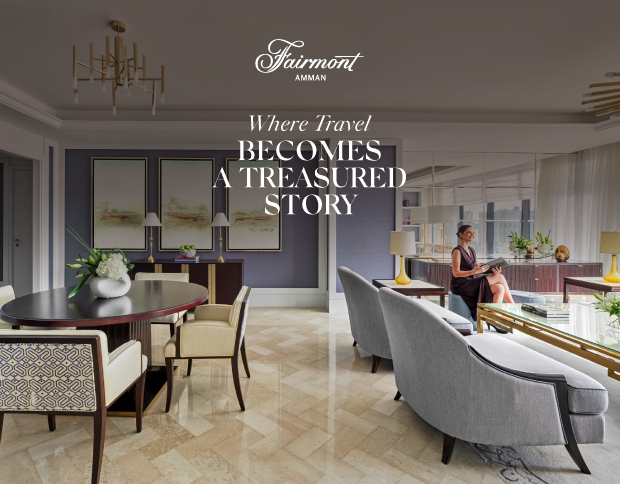
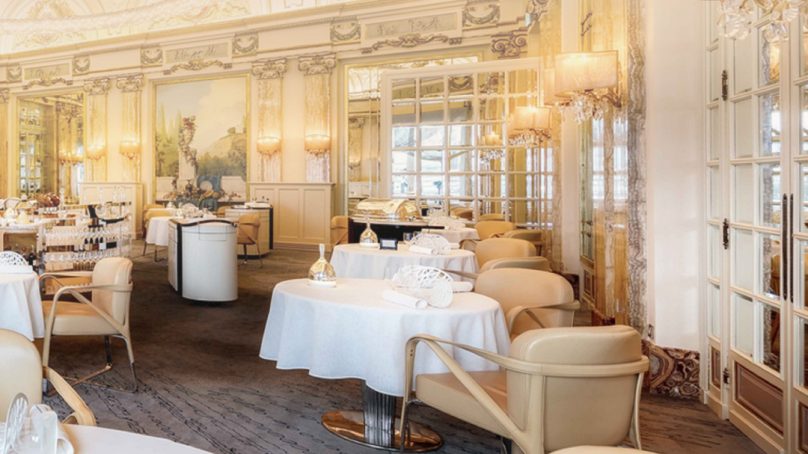
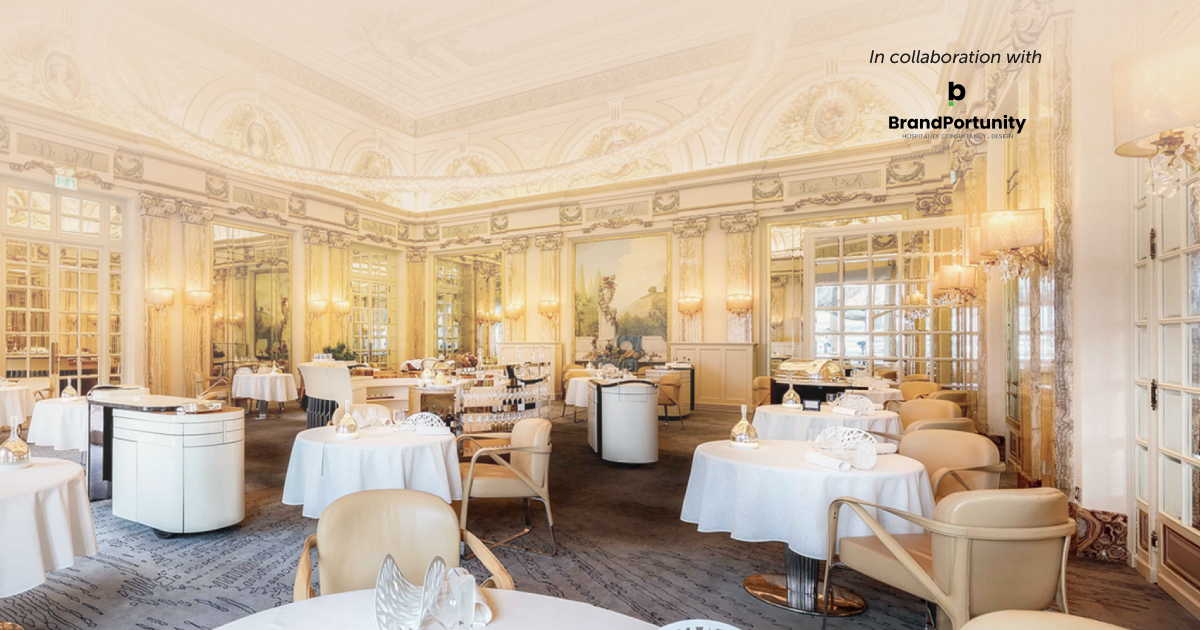
Beyond the plate, ambiance shapes perception. Materials such as marble, natural wood, brushed brass, fine fabrics and curated art create understated sophistication. Equally, lighting is warm and controlled, while table spacing ensures privacy. Music supports the atmosphere without dominating it. Overall, these spaces feel calm, structured and coherent.
The invisible luxury
Service is perhaps the strongest indicator of true luxury. In high-end F&B, service is attentive, yet discreet. Teams are knowledgeable about sourcing and preparation methods. Personalization is essential, from remembering preferences to adjusting pacing and anticipating needs. Excellent service feels natural rather than scripted.
Moreover, integrity has become a defining cornerstone in its own right. Sustainability increasingly plays a role in defining modern luxury. Responsible sourcing, seasonal menus and partnerships with local producers enhance credibility. Discerning guests associate luxury not only with indulgence, but with integrity.
One standard, many expressions
Across markets, the expression of luxury may differ, but the principles remain constant. In the dynamic UAE hospitality landscape, luxury often combines architectural boldness with premium ingredients and global chef collaborations. Elsewhere, in London’s refined culinary scene, for example, authenticity and product integrity define high-end positioning. In heritage-driven France, meanwhile, technique and terroir anchor excellence. In resilient Beirut, it is expressed through creativity, elevated local ingredients and strong cultural identity, despite complex circumstances. In Tokyo, it is rooted in precision, seasonality and absolute respect for products.
The new definition
Redefining luxury in the F&B world, ultimately, means returning to fundamentals. Exceptional ingredients treated with respect. Simple combinations executed flawlessly. Elegant presentation. Refined ambiance. Seamless service.
Importantly, luxury is not about being louder. Rather, it is about being precise, consistent and most importantly memorable. It is about discipline behind the scenes and effortlessness in front of the guest. It is the confidence to allow a single outstanding ingredient to take center stage. It is the balance between sophistication and comfort, innovation and tradition, exclusivity and authenticity. True luxury does not seek to impress through excess. Instead, it earns admiration through mastery.
In today’s global hospitality landscape, where guests travel, compare and experience the best across continents, luxury F&B brands must deliver coherence at every touchpoint. Everything must align with a clear, refined identity, from sourcing, plating and lighting to service, menu narrative and the farewell.
Ultimately, modern luxury is about creating a feeling: one that lingers long after the meal ends. It is about crafting moments that feel personal, intentional and elevated without being overstated. When simplicity meets excellence and precision meets emotion, dining transcends consumption. It becomes an experience, and in that experience lies the true essence of contemporary luxury in the F&B world.

Christian Salloum
Managing Director of BRANDPORTUNITY
Managing Director of BRANDPORTUNITY